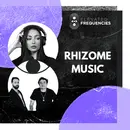
How to Create Memorable Shows on Any Budget with Rhizome Music | EF EP 75

 Spotify

 YouTube

 Apple Podcasts
Ready to take your DJ sets beyond mixing tracks? This episode is your blueprint for incorporating live elements and creating unforgettable experiences. Rhizome Music founders Calhoun McDougall and Louis DeMarco share their decades of experience managing hybrid electronic acts and producing major festivals to help you level up your performance game without breaking the bank.
If you've ever wondered how to start adding live elements to your shows, felt intimidated by the technical requirements, or worried about the costs involved, this conversation will give you a clear roadmap. Learn how to build memorable performances that get you booked again and again.
Key Takeaways:
- How to start incorporating live elements into your shows on any budget
- The most common mistakes artists make when adding production elements (and how to avoid them)
- Why intentional show design matters more than expensive equipment
- Practical tips for working with lighting directors and VJs
- How to write music with live performance in mind
- Strategic ways to build your brand identity through performance
- The business considerations of transitioning from DJ to live act
Want personalized guidance on implementing these strategies? Join my artist development program on Patreon for exclusive content and direct access to industry expertise: https://patreon.com/oliviamancuso
Stop letting limited budgets hold back your creative vision. Hit play now to learn how to build unforgettable performances that will set you apart from the crowd.
Connect with me: https://www.instagram.com/oliviamancuso__
Follow Rhizome: https://www.instagram.com/rhizomemusic/
Video Editor/Audio Engineer: James Fixx
00:00 - Visual Branding and Storytelling in Music
01:13 - Founding Rhizome Music: A Journey of Collaboration
06:46 - The Rise of Hybrid Artists in Dance Music
11:52 - Business Models for Live Performances
17:07 - Common Mistakes in Live Performance Setup
22:16 - Behind the Scenes of Festival Production
25:31 - Building a Cohesive Artist Experience
31:38 - Selecting Artists: The Importance of Relationships
36:46 - The Business of Being an Artist
0:00 Think about the visual branding for it. I know paying someone to animate visuals and build these beautiful digital scene as scenes that's expensive, but you know, we see massive acts on every level succeed with also doing you can do a lot with a video camera and a good idea and it's knowing that like as long as you're telling the story, it's a good visual. What's up guys, happy Thursday.
0:48 If you've ever dreamed of taking your DJ sets to the next level by incorporating live elements, well, this episode is your road map to making it happen. Today I'm sitting down with Cal McDougal and Lou DeMarco, the founders of Rizzo Music, a new full scale artist management and event production company that's redefining what's possible in dance music. Now these guys have it combined 20 years of experience managing hybrid electronic acts like Manic Focus and producing sustainability focus festivals like Sacred Acres, Callen Liu really understand what it takes to build memorable performances that get you booked again and again.
1:30 But what really makes their perspective so valuable is their emphasis on starting small and building intentionally. So whether you're just starting to think about adding live elements to your set or you're already incorporating instruments and fancy lasers, but you want to level up your show, this conversation is packed with actionable advice that won't break the bank. Let's dive in. Ryzome. Is that how you pronounce it? It's a definition, it's a root system that's like ever growing that was like the inspiration is like all right, like in our phrase slogan is planting seeds to grow the culture.
2:12 So. I love that. I I saw that. That's that's real good. So OK, so why don't we start there? You guys have very unique but complementary backgrounds. Whoever wants to start, talk to me about how these experiences kind of led you where you are today. Founding Rizome. I'll hop in Lou. So I started at William Morris Endeavour in Beverly Hills as a young kid out of college from their pandemic hit, but with after the pandemic started nonprofit, which is where me and Lou started to get aligned from there produced my first festival, which was a fully CDC compliant music festival partnered with Hilton on a beach, all beachfront facing balconies. That was our first time working together and where we met around that same time I started my first, you know, I started artist management using my booking background, smaller artists.
3:02 I was able to book shows that slowly went into my record label was a not or my nonprofit was a record label. So I used that as a experience. Learned a lot about split sheets, music deals, working through admins, things of that nature. Also leaning on my training from William Morris. With that I started to build my roster. Got absorbed by a company here in Denver that was a bit more high level management. Spent about 3 1/2 years there. Loved every minute of it. Loved the clients I worked with. But you know, slowly found myself wanting to be in a different place. From the day me and Lewis met, we were always like, we're going to do something and it felt like for years it was something we just talked about. And then we both kind of found herself looking for a change. At the same time.
3:50 Me knowing I have a ton of experience on the admin side, on the artist management side and working directly with those people and knowing all the things I'm lacking a little bit of as far as the production knowledge, the major level advancing from like the mass pop and hip hop world. And like you know, we have two international clients at the moment. Lewis has been touring internationally for a few years. Just certain things. And he's an accountant by trade. I majored in public relations. So having a numbers guy is wonderful. I mean, that's my big thing was label experience, talent, agency experience, the management experience. I was always told of the agency as I wanted to be a manager.
4:31 Then I need to do everything. I finally got to a place was like, alright, I've done everything I I want to do my own thing. I want to make my own bets on the people I believe in and build the relationships that I find myself hole in and the artist that, you know, I'm excited about. And that's kind of where it was like, all right, it's time to make a change and do that and build a community and an identity that is representative of me. And you know, one of my best friends, which is Louis and Louis, I kind of let you give your spiel. Yeah, I I started a pretty young age doing random things in music. Used to play in a pop punk band in high school and used to book our band and other bands. It's kind of how the original interest started. But then went on to college with to school for accounting. Was going to go the finance route but decided to give working the music a shot and I've done a lot of things since. Production management for promoters, stage management for music festivals, managing merchandise accounts like Rd., repping for merchandise accounts for in hip hop, and yeah, just everything in between on festivals and within live events.
5:38 But yeah, Calvin and I, like you said, when we met at that festival, we just clicked and we, yeah, we knew that we want to do something together at some point. And it just kind of, it really lined up. I was leaving, I was doing some corporate event planning, doing production planning for some large corporate events. And I was going to step back away from that and go back into the music room. And it was just the perfect timing, really. Wow, it's so OK. So I feel like you guys probably have the same issue I do when you're trying to explain to your grandparents what you do for work and they just, it's like you do 700 things. So you're like, how do I even put this in a box for you? But you really like having that rich experience really helps you build incredible businesses. And it sounds like you you guys have really done it all. So looking at everything you know about Ryzone that the press release, it really looks like you're you're focusing specifically on like those hybrid artists that incorporate a lot of live elements.
6:40 So what made you decide that that was kind of your sweet spot for your brand? So we we definitely have a huge leaning of that and that kind of comes from for me, it was like that's what I liked growing up and getting into the scene. Like I was going to big gigantic shows and things of that nature and like I pretty light shows and the things that were like, Oh, that's cool. Like it's different. But like we like to think more than that because we do have a few DJs, few people who are more hybrid like DJ sets, live sets, bands. So be it. I like to think that it's more of a we want people that are trying to redefine the approach to electronic music more than anything else. So like we have Mercury, who's more of a 140 bass CJ, but he also does sound baths.
7:26 He was a record label Don at one point. He, you know, he's very holistic in his approach and how he does things and he's just the sweetest kid ever. And then we have Penny and Loeb, who truly are DJs, but their mainstage appeal is they're playing virtually every genre but releasing within house. They're remixing songs from every decade of music from the 60s all the way through modern flips. And it's, you know, 4 on the floor at a base house to dubstep and everything else. And we really like, you know, when you wireless in their sets, it's like a roller coaster of your lifetime of going to concerts. And so like for me, it's like we really like the redefinition of it and how people are reapproaching it. Whereas like 5:00 AM, they're using Ableton to create a live band and it's very uniquely done where it's like they're producing sounds and sound designing in a realm that's almost aligned with IDM Tipper and they're performing it live and they're blasting guitar on your face. Their drummer zone drums is just like the most energy you'll ever see.
8:26 And then Sam, who's the songwriter and kind of the lead, he's the sweetest guy ever. And a lot of people don't realize like the name's 5:00 AM because it spells his name Sam. It's it's very personal to him. And then, you know, we have Manic Focus. He does a live band. He also does, he's also, you know, a renowned DJ and now also playing house. Megan Hamilton. She goes from, you know, playing fun spicy house sets to, you know, she has sets where she plays guitar. She's an incredible singer and rapper, which is not always known, but if you'll dig into discography, you'll be like, who's that awesome female voice? And it's usually her. And then we have Pfeiffer, whose whole thing is he plays guitar. He's the guitar guy, but his big approach is he is running it all through Ableton. So every tone on his guitar is sound design. He's running different plugins and different things to make it one of the most unique approaches to playing guitar you'll ever hear.
9:21 You might not notice as a fan, but if you sit down with him or like, so like, what are you doing? You'll you'll, it'll be like learning astrophysics and then frameworks are UK superstars. Music's incredible. He's a drummer by trade. He's gone from having a five piece band and playing more in like the Emancipator Indy tribal dance space to like a minimal house space. And he mostly now it's live drums, but he's finger drumming on a controller. He's playing keys, he's DJing, he's just, he's a renowned songwriter and I, I can't speak it out for like The Beatles wrote his or not The Beatles, The Beatles old studio wrote his visa recommendation and all these like amazing things. He really is this beautiful Family Guy. We love all of our artists a lot. Sounds like it really and otherwise. And like we see that they all have something unique, something authentic.
10:14 It's something wrong to them. But like we the live space, you know, we both have stage manager experience. We both really get a kick out of like, how do we take all this crap, put it on stage, make it perfect and get it off in 5 minutes. And like, I'm sure Lou can spread on that or, you know, speak on that too. But that's, that's my heart with it is like we've all seen something where it's like this is different than the next guy. This person's uniquely different than the next person. We see that other people believe in them and that, you know, that's not that we believe in them already. But seeing that the community sees the same thing that we're starting to see or we see in them, it's really exciting to be the ones betting on them. Wow, that's amazing. Yeah. Lou, did you have anything to add to that? No, I think he covered it pretty well. Yeah.
10:57 We have a pretty wide variety of artists, a lot of them with a live element, but, you know, some of them not. And a lot of them will do one or the others depending on the night, depending on the show that they're booked for. But yeah, pretty a lot, a lot of flexibility, a good variety. Yeah, it's always so much fun as a fan to to see the artists being interactive in whatever way, even if it's just like the finger drums on the decks, right? Like I've, I've seen that a lot recently. And it's just, it just adds something. It adds to the environment. So do you see, do you notice a trend or a rise in these types of hybrid acts or, you know, artists adding elements? Is this something that people are starting to explore more or has this been around for a while? Because I I genuinely don't know. Yes and no.
11:45 I think we're seeing saturation at the highest level of electronic music in general. You know, Spotify has a million releases a day or some crazy statistic like that. And you know, when we go to a music festival, we've all, I'm sure been the one you'll see electronics specifically. You'll see 20 DJs play on CDJS. I think we're seeing a lot of artists constantly and I think every artist regardless of drama has this constant question of what am I doing to be different? If you're in the electronic space, what can you do to be different? Incorporating those elements in a streamlined away is the quickest way to add energy at a specific thing, create a branding, a brand identity point and driver and really start to build that out.
12:26 I think for like for a lot of our artists, say you're doing vocal semantic folks plays a Qatar at times or like when you just incorporate a drummer, that extra person with the drummer, it's someone to feed energy off of which creates that, you know, circular, energetic, inert vibe or whatever you want to call it. So not get too holistic about it for crowds to buy into and to see and to respond to when you have a you know, our guitar player Pfeiffer, who plays the man it folks, this band as well. He's able to walk around the stage because he's a wireless, you know, guitar feeds. So he'll be able to walk up, go to the front, stand on the speakers, crank solos and kids faces and stuff like that where it's like, I think it it's not that we see it everywhere. It's gotten bigger or it might have gotten bigger just because technology has gotten stronger for it. You know, Ableton is a streamlined way to use the sound card for artists to create music and to, you know, incorporate that in an easy way where they can mix it straight into their audio feed.
13:29 So I, I think we're seeing it able to be incorporated more. We're seeing the ability to incorporate an increase. I think it's hard to say that there's more because there's 1000 more DJs and like, that's OK because we have those and we love them. But I think, I think we're seeing artists using it as a way of like, what makes me different? And when you hit that wall and it's like, oh, I've been playing an instrument my entire life. Let's try it. Oh, I've been singing my entire life. Let's try it where I already sing on my tracks. What if I just did it live? And I, I think we're seeing artists take more risk to be different more than anything else. I, I think that's just a part of it. And it's a, like for us it, like I said, I, I see it as a way it increases your brand identity. When I'm say I'm at EDC, if I see 20 DJs in a row, but one of them played an instrument, I'm more like, I'm best think I'm more likely to see it.
14:20 But it's something that stands out. Yeah, no, it's a great point. Now, OK, so I want to know about the like how, how does adding live elements change an artist business model? Because obviously as you're adding things on stage and Lou, especially with, you know, your stage production experience, there's so there's, it's like you said, extra shit to set up and extra shit to take away within 5 minutes because the next act has to come on. So what are the business model considerations for this if an artist who is DJ ING wants to start expanding their brand and incorporating other elements? I say in the beginning it just to keep your setup simple because like that that makes you more bookable. It makes you just it makes it easier to execute in the beginning and and build off of that as you grow, of course. But from the also like live band and adding multiple people, that can really change the model a bit. You have to be more a lot more careful about your expenses, more flights, you know, more splitting the money, more directions and all of that.
15:25 So those are all things to consider. It's not really a complete barrier, just something to consider. But yeah, I think I'm kind of mentioned earlier too with like, keeping things simple in the beginning and making sure we don't take up the whole table with all their gear or we don't need a massive changeover. That makes it easy, not only easier for the promoters and the stage managers so that the festival will be pulling up to or wherever we're going, it makes it easier on them. It makes them like our brand, like our artists. We just want to be easy to work with. We want to help our artists be easy to work with. So, you know, everyone benefits from that. Yeah, great point. Yeah, I mean, I I talent by for Sacred Acre in Alaska and have for other festivals. And that's like one thing I think about in the process of like, all right, like how much do I want to kill my stage crew?
16:10 And it's like because like we we know most of what these people are bringing and what it's going to look like and how much time I can have on a dead stage. And it's so it's, that's like a big thing. And it's, you know, we hear all the time from bigger artists when it's like someone comes in as an opener that's a growing act and they need a long sound check. They have a ton of stuff to advance. They take up the whole table. They take 10 or 20 minutes to get off stage. It's just tough on their relationship. And it's not someone you look at like, oh, I want to bring him on a bus with me because I like, love dealing with that every night and like, and don't be wrong, artist breakthrough it. But it's definitely something you have to you have to learn approach. You have to know how to build a writer that makes sense. If you can't, please don't bring that all that stuff. And it's it's really you.
16:56 You have to really fine tune your advancing beyond like as Lou said, expenses change, your approach changes. You get more brains. When it's a band, you have more, you know, more cooks in the kitchen too, which always creates either a really good or really uniquely different vibe. I like that. Uniquely different, yeah. But that's a good diplomatic way to say it. So I was going to ask, is there like a big mistake that you see artists make when they're trying to incorporate bigger and better elements? Because one thing that comes to mind, and this isn't necessarily like a live element, I guess, but like I'm thinking about Pridds level hollow, like the amount of work that goes into setting something up like that.
17:43 I think it's safe to assume, you know, opening acts might not have access to enough capital to put something on like that in the beginning stages of their career. But like, what are some mistakes that you see artists making when they're trying? Like, is it they're just trying to do too much too soon? I can jump in on that. But yeah, that's definitely it. It's it's doing too much. Even the big acts with ton of capital, you know, they usually roll it out on some like first tour, some first thing that months of rehearsal and programming and fine tuning this beautiful. Like, you know, you look at like an Odessa even like they have these beautiful live rigs set up. But like those didn't just like show up one day and they took it on stage.
18:25 You know that that's years of final tuning. That's years of someone being paid who's a very precise professional to build them these boom stand live set pieces. And it's it's the biggest thing is like rehearsal, rehearsal, rehearsal. When an artist goes up there and isn't comfortable doing the most, they're up there and instead of interacting with the crowd, being fun, bouncing with, you know, enjoying playing their music, they're staring at their laptop, they're staring at the keys, they're thinking the whole time and they're in their head. And that 4th wall that you're trying to break as an artist is just made of bricks. I think that's the biggest thing where I've seen it as an artist will go up there with little rehearsal, little preparation and try something new. And like, that's great.
19:10 Take risks. That's what being an artist is about. But take risk in a professional manner. And that means like practice, learn, grow, rehearse, rehearse, rehearse. If it's not ready, take it out. And it's it's knowing when to do that. It's knowing how your gear all operates together. It's knowing that it's streamlined in a way in which you have control of it. And you know, if if you don't have a sound check and you know, it's not going to be mixed, right, if you want to go up and do it and have some, you know, feedback your whole set, because you are, you know, it's a pride thing. And it's, it's, it's those little things where it's like just kind of the calculated risk of it. And more than anything, it's time and rehearsal.
19:51 Like even the massive productions and the massive artists with tons of capital who are doing things in the live space, they put hours into doing it perfectly because they, you know, they operate at that level. Totally. Yeah, it's a great point. I'm very curious. I know. I'm sure you both have stories for days, but participating in a couple festivals as a employer contractor, you know, doing interviews with artists, I have seen the final moments before a festival opens its doors and there is chaos. Like every time there has been chaos I have heard I probably shouldn't repeat it, but I've heard some of the funniest like just non union guys yelling at union guys and like just like you literally like it's like you think like fights are going to break out like. It is such.
20:40 A stressful environment and a lot of the work that you both have done and people do behind the scenes. You're the unsung heroes of it. So what are you think some things either artists or fans do not know that goes into making a one hour or two hour set? The magic that it is. I just got to say I cried. Page management. It was tough. It's it was. My fault. Yeah. I, I, I had a cover for everyone. I. Was going to do, and it turned out to be a pretty rough one. I was like, sure, I'm on the mainstage and it, the crew, part of it was great.
21:21 Part of it was not. I was just in tears dealing with it. Like me and another stage manager who's been stage managing mate, like, you know, he does like 112 festivals a year. We're like holding each other in tears in the middle of the stage. He was like, it's OK to cry and I just burst. But you know, it's, it's intense, you know, I think a lot of people don't think about that. You know, the ones that are done well, you know, they're genuinely OK with taking a risk of losing money to provide that experience. Obviously the goal is to not do that, but there's just a lot of time and precision. And if you feel safe, it's because they wanted you to in so many ways.
22:02 That's that's on the festival production side and like these lineups and stuff like they're intense to book and you know, if you don't see the most massive headliner ever, but you had a great time the whole time someone has extensively good music taste. I'm patting myself on the back because I feel like a good lineup. But it's, you know, I just think there's a lot of really amazing people that work hard to do it right and care about the fans and the experience. The festival community and the industry on its whole as its whole has a ton of people that, you know, I'm sure we'll all meet that aren't amazing to interact with. But they also have a ton of people that are genuinely doing it because they fell in love at those things and they wanted to be a part of it.
22:42 And I think that, you know, that's something that speaks for me. And Lewis is like, I wanted to find out a way to go to them all the time and also create those experiences and make more kids want to do it and make it their life and build something cooler than the last thing they went to. But yeah, Lewis, you go. You've worked a billion in one festivals. You give me. Yeah, have. You cried. I I've never cried. I'm I'm too hard for that. But no, no, there's just so much that goes into it in the background that people have no idea. You see it time to time again, people trying to produce festivals that maybe they're an investor and they have money and they've enjoyed festivals, but they don't really have they're not plugged in with the industry. They don't know who to hire for what. And you see those festivals fail oftentimes, not always, but that's where it comes really comes down to the people who do you have involved with it?
23:29 Do you have what professionals are you hiring people capable of doing these areas? And from artist hospitality to stage management, production management to side OPS, side OPS is a huge one where a lot of people don't realize how much work goes into that. Some extremely hard working people working in all those areas. And you mentioned fights too earlier. Like I, I have seen, I've seen some fights on site between people. I've seen people get punched. You know, generally that's not how we, you know, things operate. But you know, emotions run high. People are on a lack of sleep, really putting in tons and tons of work in every area. And sometimes things get a little emotional. But no, it's really really is a lot of unsung heroes for sure. Yeah, it's funny because like you'll fight with these people that you've worked so closely with for, you know, three days in a row and then like after it's all done, you're like, oh, why are we even fight?
24:20 You know, like if you finally like can calm down. And it's just, it's just heightened emotions when you're trying to put on something special for people. So I think it's, I think it's important that artists who are aspiring to get to this level, to play these shows, understand the work that goes into it, because it's important that everybody, you know, on all ends, treat each other with, with the respect they deserve. So when like if someone wants to add in live elements or start adding live elements to their show or just something extra. And maybe because I'll, I'll give you a little insight on who listens to this show. It's, you know, bedroom producers up to people who have had some, you know, some success.
25:03 They have been built on some festivals, they've played some clubs, they've done many tours. Now they're trying to get to the next level. What should they consider and what can they do to start building? You know, insert artist name here experience. For me, it's about building cohesive branding from perform music through performance. In a lot of ways, I think that's where you start to see those next steps is like, I it's the most expensive freaking thing because it it has to be, but like visuals and paying people to work with you on the visuals or if you feel like you're going to be more of a light based thing. I know manic focus early on when he had his bigger blow up, he bought 2 lasers and that was like the first thing he bought and he had lasers at every performance. And you know, and like, you know, we talked about someone like a pretty lights who's like a huge mass of that, you know, they were doing crazy productions first. If that's going to, you know, that steals people's attention in so many ways and figuring out how to align your brand in a way which is uniquely cohesive.
26:06 So it's because if you're going to have someone's attention for 60 hours or 60 minutes, how are they going to walk away and know who you are, know what you are and what you're doing. And I think, you know, we have a massive LED screen and you got a mixer in front of you, so you got sound. What are you doing on the visual side? You know, how what are you conveying with 50% of your performance up there? And I think that's a big thing. It's an important investment. You know, a small investment there with a few little things and allowing VJ to go crazy goes a long way. I think that's a huge thing when it comes to like incorporating live in general. Don't rush it, streamline it, rehearse it, rehearse it, rehearse it, write music that is for it. You know, it's, it's hard to reverse engineer songs, but when you start to think like, what am I writing?
26:53 What am I doing? If your instrument is more mobile than keys or something like that, if it's a guitar or you're singing, write music that moves you around the stage and make sure if music and makes your whole thing more interactive. So, you know, build breaks that lead you up to your vocals and then you can get back to the next transition. If you're doing multiple things, you know, write your key solo in here and then after your key solo, you know, a build that gets you up to the front of the stage to sing on vocals or have your mic there. But I, you know, I think movement on the stage goes a long way. I think it builds anticipation when people see you go up to do the next thing. So that those are things that like I've talked to some of my artists who, you know, want to do certain things that allow different movement around sages, like write intentionally.
27:35 Think about how you perform things when you write that music. Think about the visual branding for it. I know paying someone to animate visuals and build these beautiful digital scene as scenes that's expensive, but you know, we see massive acts on every level succeed with also doing you can do a lot with a video camera and a good idea. And it's knowing that, like as long as you're telling the story, it's a good visual. And, and as someone who's a professional VJ can make it trippy and cool or whatever your, your genre and lane and visual identity is. Another additional thing is find your friend or local lighting director, sit with them, get light cues, even if it's just notes, color palettes, etcetera.
28:22 You know, put that in your advance. It can be 5 dots, dot, bullet points and it'll give you a little more curation and the idea of thinking like, how do I create a little more? If you just have a few logos, put in your little thing with the logos. I like these things. I like these things. Please don't do DMT fractals or whatever. So be it, you know, please like, you know, identify your brand of the people you're working with. You might not be working with the same crew every night, but the idea of what little steps can I take to curate farther? You have lights, you have sound, you have your performance, and you have visuals. So slowly but surely start taking baby steps to make those more and more in tune to your project.
29:05 All right, Lou, you've. Got yeah, Kyle, I feel like a lot like a lot of what he's speaking to all the ties into brand identity really, and not just brand identity online. And you know how you market, but also through to your merch, but especially through to your live show to have a carry on from how you see this this artist online. And however you listen to them and see that reflected in the live show, from the visuals and lighting and all of it really forming your brand identity and really making it cohesive. Yeah, yeah. I love that because the visuals are something you can carry with you digitally, so it's not like you're adding a bunch of equipment. I gotta say one thing, please have your own visuals and a logo.
29:47 Put it on a flash drive and keep it with you every time. Never assume they have it, always walk to the front of house and ask them and give them that flash drive. Lewis taught me that actually, and it is something that has saved so many clients butts over the past 10 years. It's smart if you stay ready. You don't got to be ready or get ready, right? That's how the phrase goes. Yeah, for the best. Expect the worst every time. That too. There's just so often where like they made, you made send them the visuals ahead of time and they, you ask them to confirm that they've downloaded and tested them and they just don't. And so it's, it's always good to have a backup. You know you want you want to make sure you're ready to go and when you're when you're set hits so. Yeah, absolutely.
30:28 I don't. I don't trust anybody. And I think that's just for being alive for 33 years, you know, like, I always have a backup of absolutely everything with me, no matter what situation that I'm in. So I think that comes with, like, experience. You got to get burned a few times too, and then realize, OK, I need to always have insert tool here in my back pocket. So yeah, those are great tips for artists who might not have the massive budgets yet can't travel with lots of equipment. So that's really valuable. Walk me through quickly, how do you select the artist that you choose to work with?
31:09 Oh, that's a, that's a good question. So it's relationship first and foremost. Like I think there's always people where it's like, oh, my friend's been talking about, I've been hearing this name a lot. They're like, you should work with him and it's like he's got a manager and everything else. I'm not going to go screw up anything. But then there's also the times where it's like, you know, for some of our clients, it's people that we've interacted with for a few years and it's always kind of been on the table. And then we were ready to do our own thing or the space in our projects were available. You know, the conversation starts there. But ultimately it's like, you know, buzz starts everywhere. The names are starting to see the people, what the, you know, the people that everyone's telling you about. I mean, especially with me as a talent buyer, when I start getting like, hey, you should book this guy like over and over and over again, it's like, what what the hell is going on here? And then it's like, you know, further than that, do I want to have a beer with them?
32:01 And like, I, I mean, I'm sober right now. I'm proud of that. But the idea of the same of like, would I go and eat chicken wings or whatever with this guy or girl? And it's like, yeah. And if I can't do that, I don't want to sign myself up. So like, go through problems with them. And I like, and it's at its core, like I need someone that's like, I'm not going to be annoyed when they call me at 3:00 in the morning with some life crisis. You know, I, I want to be excited to help my friends to get through that. And I think that's part of the relationship base. But it really comes down to like those things and like, if we have to see it and be like, can we help you at its core is like, what are you doing? What do you want? You know, that's the like first conversation is like, what do you define being a manager and what a manager is for your project?
32:45 And you know, that has to align for, you know, kind of what we think. And you know, when we spitball a few ideas that we think will change their direction or pace of things if it resonates with them, that's what we want to do because our whole job isn't to all right, we're going to take over and you're going to listen to me. And that's that it's, you know, we're supposed to be enablers. I want to enable creativity in the best way and I want to enable your project project in the best way. And you know, for us to do that, you know, we have to have organic, authentic ideas, goals that are aligned with each other. So it's, it's a multi level approach of really just, you know, there are other clients we're we're still talking to and it's a slow process.
33:29 If we're like didn't know them beforehand. If I haven't hung out with them in person and stuff, you know, I want to like send you memes and stuff for a few months and like, have conversations and be like, send me that song. Oh, that was sick. I didn't like this. Have you thought about doing that and see how those conversations go? You know, I I feel like I've had success in signing people that I really believe in over the years of working on projects that I had never expected I could work on and IA lot out of it was just like authentically being excited about what they're doing and you know, sitting there and be like, why aren't you doing this, this and this and that made sense to them. You know, I ultimately with the creative, if you're sitting there, really you should do this, this and this. And they're like, I hate that, you know, they don't want to work with me.
34:13 So like that's kind of my approach. Like, you know, it does. It starts with Buzz hearing the name or it's the relationship and seeing them growing and knowing like I can help you. I mean, that's that's where it ultimately started for me. And my first client was like, I didn't even really ask him. I was just like started doing everything that wasn't really none. And he was like, I want to steal that meme strategy to suss someone out. That's a that's a good idea. That's a good idea. That's that's my thing. And it is like I said, I I want friends. It's supposed to be a fun thing. We I want to dedicate most of my time and most of my social life to helping these people, so if I don't enjoy doing that, we're in trouble.
34:56 Yeah, yeah, so true. What about you, Lou? How do you how do you approach like deciding you know, how do you what? What is like the gut instinct that you look for when you want to potentially work with someone? Yeah, I get excited about artists that I I personally enjoy their music truly. Like that's that's the first thing that got my attention. But then also back to what Calhoun was saying, Really just like getting along in a personal level, I think it's so important to do because their goal is to do the best work for them and to be able to do the best work for them. It helps a ton if you're on the same page communication wise, if you can communicate clearly and authentically and really express your needs and be if you feel like it's a safe place to express your needs and take constructive criticism, you know, so it's, it all comes down to getting along well.
35:43 I think is really, really helpful in deciding on if someone's if you're going to be a good match with someone. Yeah, yeah, it's so true. The most important characteristic, I think for both of us, any manager in the world, and you shouldn't want a manager until you have this is like a hunger like, like you have to have the drive of like, I will not eat for this to work because like you're going to have to not eat sometimes for it to work. Like that's the truth. It's like we're going to have to do the same thing for our company to work until you want to succeed more than you want to be comfortable with your creative craft. You know, someone pushing it, you there can be no one pushing it harder than you. There can be. It's your company, it's your brand, you are the CEO.
36:26 If anything, like, you know, we work together. We're all, you know, whatever executives, but like you're the CEO, you're the president and founder of that corporation. So if we're doing more work than you, that's a problem because like, you know, the bulk of the your project, all the money, everything, that's your money, that's your brand, who you are. We can help you find line it. We can help you identify all those things. But until you're ready to want it that bad and push it that hard at that pace and feed your audience at that level, you know, enjoy your hobby and like, that's that. I mean that the most loving, authentic way. It's a gift to be able to perform in front of people. It's a gift that you can create and make music that can people can feel emotion from.
37:10 But when you want to make it a business and work with others whose whole job is to make it a business, you have to be willing to a separate or create, like merge them while staying separate. Like, you know, it's, it's easy to be sensitive when it's a business. It's easy to feel. It's like it's hard and you're judged and you know, the growth in the process takes time. It's it's easy to be, you know, art is very. Personal, you know, so it's, you have to be able to take it. You have to be able to kind of separate it and understand that where where we're coming from and you know, be driven and know that if you're adding a business element to creating art, you can create art for yourself all you want, but if you want to take that step into turning it into a business, that's something different. Sure.
37:56 Yeah, I I always say that treating yourself like a business means treating your artist project with the integrity it deserves. And if you can't see yourself as a business, you are not, like you said, enjoy your hobby. Basically and the best way. Though, Yeah, sure. Yeah. But like, there are some artists who are sticklers and they've and they've even found like marginal success. But it's like, I just, I mean, I feel like I have a unique perspective, you know, not being an artist, like a DJ myself, just watching this like pragmatically and without any sort of bias, like the ones that I've seen go to the next level. Understand that this is a business at the end of the day, and you have to be able to have the mental fortitude to separate subjective opinions about art versus what are good business decisions.
38:49 It's it's a dance between the two. So where? Where can people go ahead? I, I think it's important to just like make it clear, I still think artists should stay authentic to the art that they're creating, authentic to their music, even when creating, turning it into a business, I think that creates the best results in the end, but it's just all the other things that come along with turning it into a business. You know, they're really diving deep on marketing and financials and everything else, every other aspect and identity, yeah. Yes, yes, I'm sure Lou, as an accountant like you, you feel strongly about this too. But I am constantly harping to my audience why they need to find a good CPA and like, take every tax advantage available to them.
39:31 Write off all the things that are, you know, like, those are the things that I think and still a lot of fear in artists because it's like they just want to focus on their craft. And like, taxes are scary. But like, if you empower yourself with that business knowledge, like you can actually have more time to focus on your craft. Yeah. And I agree, that's also those are areas that we try to help artists too, because we do want them to focus on creating, creating their their music. That's, that's, that's their role, you know, And so we do try to take some of that weight off, but at the same time that you got to be ready to go, you know. And as the CEO of your company, your, your artist brand, you need to know enough about what everyone's supposed to be doing to run your business.
40:12 Rather it's you letting them do it. You have to be able to call the bullshit. You have to be able to know when someone's not doing their job or when someone's excelling at it. And I think so it's important to have their understanding and even like you said, is knowing how to do stuff for yourself. Like if you're a Canadian, you can get grants from the government to pay for your whole tour and things of that nature, you know, knowing how to apply for visas. If you're another international, like especially international, when you're building a tour from any other country into the United States, you're giving up 30% of your dollar to the government and taxes. So like, being aware of all these little things, just enough to know when your manager's like, it's a great deal and you're like, but I'm losing, you know, a third of my income on this. You have to be able, you have to realize that. And just like, you know, obviously you have to be able to trust your team, you know what they're doing. But you also have to know when you can't. And I say that sincerely in the sense of know if you're going to run a business and it's going to be a business to you. Yeah.
41:06 Read Donald Passman, All you need to know about the music industry. It's a textbook, like 300 pages. It'll explain every job and what everyone should be doing. If you read that you should be fine to get started. I'm I'm building a team. It's a great suggestion. So where? Where can people learn more about you? Rhizome dot music RHIZOME dot music, that's the web handle of if fun fact, for anyone watching anyone who has a music company, they just introduced.musicinsteadoflikea.com. I have, we have We're Cal and Lou at Verizon dot music. Our website's dot music. You can buy that domain and you have to get verified by a specific ID dot music company in order to utilize it.
41:48 But it's a brand new thing in like the past month and we're really excited to be I'm one. It's one of the first people that I'm aware of that has it in our network. So that's exciting. But Rizzo dot music. Awesome. Well this has been so insightful. I'm so excited to see all the incredible things that you bring together, like watching you 2 come together and combine your talents in this way I know is going to do wonders for for the dance music industry. So thank you for sharing your wisdom with me. Awesome. Thanks so much for having us, Olivia. This is fun. You're the best. What I love most about this conversation with Cal and Lou is how they emphasize the importance of intentionality in everything you do, from writing music with performance in mind, to starting small with production elements, to building relationships with people like local lighting directors. It's all about taking strategic steps that align with your broader vision.
42:46 And the key take away here is you do not need massive budgets or elaborate setups to create memorable experiences. You can literally start by making your own visuals on Canva. What you do need, though, is a clear understanding of your brand identity and the patience to build something sustainable. So thank you to Callan Liu for sharing their wisdom. You can follow Rizo Music on Instagram, I'll link it in the show notes. That's how you can keep up with their artists and events. And if you found value in this episode, please share it with another artist who might benefit from hearing it. All right, guys, in two days, I will be at Chicago Music Nexus.
43:29 Thank you so much to all of my Patreon students who are flying or driving out from near and far to experience the inaugural year of Chicago Music Nexus. I am so grateful to each and everyone of you. I cannot wait to report back on this amazing event, and I hope to see the rest of you there next year. As always, I'll talk to you next week. Stay elevated.