Anyone Can Drop a Banger. Almost Nobody Can Build a Night. ft. Mishell | EF EP 165

 Spotify

 YouTube

 Apple Podcasts
This episode is sponsored by Trackstack: the operating system built for music professionals who invest in each other. Trackstack Pro gives you access to a network of labels, curators, and artists where every connection you make is yours to keep. No algorithms, no platform holding your contacts hostage. Just real professional relationships that can turn into collaborations, bookings, and opportunities that can change the trajectory of your career.
Use code ELEVATED for 50% off Pro for 3 months at trackstack.app
-----
Anyone can learn to drop a banger. Learning to actually build a night, to take a room from the very first record all the way through the peak to the close, is a completely different skill, and it's the one most artists skip. Mishell didn't. The Tel Aviv–born house and indie-dance artist came up playing all-night, open-to-close sets, and he'll tell you that's the only way you really understand what it means to be a DJ.
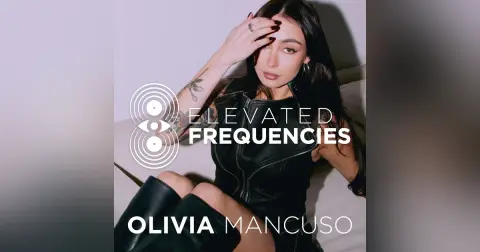
Host Olivia Mancuso sits down with him to get into the craft most people skip, how he grew his Mess Makers events into a community that sells a thousand tickets in twenty minutes, and why building a real career in this industry is a marathon, not an overnight thing.
What you'll take away:
- Why the all-night, open-to-close set is how you actually learn to DJ, and what you skip when you rush straight to the peak-time stuff
- How to read a room and take a crowd on a real journey, instead of blasting the same high energy from the first record
- How he scaled his Mess Makers brand to a thousand tickets in twenty minutes, with no lineup and no link
- Why you shouldn't chase money at the start of building an event or a brand, and what to invest in instead
- How analog gear helped him build a sound that's actually his, instead of sounding like everyone else
- Why there's no timeline, and how to build a career that lasts instead of a moment that fades
👉 Want personalized guidance on your music career? Book a one-on-one consultation with Olivia on GreenRoom where you can get tailored advice on branding, business strategy, and sustainable career growth
👉 Instagram: @oliviamancuso__
👉 Video Editor/Audio Engineer: James Fixx
00:00 - Learning DJing through full-night sets
00:28 - How top DJs build careers
00:47 - Authenticity, mindset, and networking
01:07 - Relationships over virality
02:03 - First night at Spy Bar
04:05 - US vs. Israel club culture
06:29 - Family support for music
08:52 - Falling for analog gear
10:20 - AI music and AI vocals
11:53 - Why live elements matter again
12:20 - Building a live set
14:51 - The story behind “Energy”
16:01 - What makes a track break out
18:21 - Messmakers and the future label
19:45 - Scaling events without a lineup
23:22 - Patience in music careers
24:12 - Why opening-to-closing sets matter
28:28 - Running club set concept
31:10 - Next steps for the brand
32:41 - Advice for artists in their thirties
0:00 Twice a month, all night long said, you know, to just to understand how to be the night, you know to to do the opening set and then to be like the getting close to the peak time and then to have the peak time, then do the closing. And you understand, like the whole meaning of being a real DJ. And these days people just like go and play 1 1/2 hours in the festivals 128 BPM from the beginning, just like, you know, crashing it. But I feel like that's the way you learn how to be a DJ. I wonder how top DJs actually built their careers. I had to do 15 years of hard work to get any of the recognition that I wanted. Where I saw a turning point in my career is when I came true to myself. From marketing and mindset to networking and negotiation, I'm giving you the tools you need to build a lasting career in dance music. Give them bits of you and your everyday life. You have to change the way you view the word no. Like me, I'm encouraged by it.
0:54 Join me, Olivia Mancuso and industry leaders as we reveal what it really takes to turn your passion into profit. This is elevated frequencies, something I've learned building in this industry. The career you want doesn't come from going viral. It comes from professional relationships, and that's exactly what Track Stack was built for. The industry keeps giving artists tools designed for casual listeners, but Track Stack was built for the professionals who invest in each other. Track Stack Pro puts you inside a network of labels, curators, and artists who are genuinely invested in each other's career, where every submission becomes a contact and every contact is a relationship that can turn into a collaboration, a booking, or a door you didn't even know existed. And those relationships are yours to keep. No algorithm deciding who sees your work and no platform holding your contacts hostage.
1:46 Go to Track Stack dot app and use code elevated for 50% off Pro for three months. That's track stack dot app code elevated. You had Spy Bar last night, which is always it's your first time right at Spy Bar. I always love to hear about artist first Spy Bar experience. It was super nice. I heard a lot of good things about it actually, but I haven't been in Chicago ever in my life. So it's kind of like good introduction because you know, it's like it's a great city for house music and electronics. So I think it's probably like the perfect intimate vibe clubbing experience for digital so far for arrival. But I had a really good time. Like it's nice to see people that, you know, really come to enjoy, especially in the US, you know, there's like a lot of places that people are just coming to, I don't know, put stories and Instagram and just be out there not really care about music and you know, the about dancing even. So it was cool to see people I really like committed to the party.
2:50 From your perspective, is that, is that more of an American thing? A little bit because in Europe you feel it less in a way. But again, it's, it depends where in America, you know. But yeah, I feel like comparing to Miami, like it's, it's kind of better here. I don't know. It's it's just I had one gig here, so I'm sure. Yeah, no, no. But spy bar is, is that place that it's, it's a basement. It's not, you know, you don't have to. There's no dress code. So it is a good community. You get good people that go there. How long have you been touring in the States? In the states it's been like 3 weeks now.
3:30 But like before before this, Is this your first time touring in the States? Period. No, no, no, no. It's like, I mean, I got my US visa like a year ago and then like on and off the whole year. OK. Yeah. But I would say it's like my first year in the US. Touring. Yeah, yeah. What's something that because my audience is mostly made-up of American artists, I mean, I have some, you know, some countries in Europe and Canada that TuneIn to what? What's different about not being from here and touring here? What shocked you the most? Interesting question. First of all, like in every place, the vibe is different from me. I always compare it back home, you know, to, to Israel and like we know how to party.
4:18 We're like Brazilian, I would say almost. So we're like super committed to party. We had a lot of festivals going on and people are really keen to dance and they're very like strict on their music taste also. So I would say the first thing I noticed here that there's like a lot of markets here and other place for other types of music because we're kind of regular to our vibes like Israeli indie house. Yeah, I would say so this groovy sound. So it's nice to see that people are more open to more types of music and and they're also not very hard and like if you're good enough or not, because there's like you're super fitted in Israel. I would say to like digits that come to Israel, they're really fitted.
5:04 They always like they have the same feedback of wow, like I need to be like on my best because people are like they know that, you know, So I would say that that would be like the maybe the first thing also, how big it is, you know, just like so much parties and the amount of people are around this like seeing not obviously it's growing worldwide, but here it's crazy, you know, so. There's a lot of untapped markets too. Like there's so many states in this country that don't have dance music venues yet, which a lot of people see as a bad thing. But I just think I, I, I've been talking about this a lot recently, how much opportunity there is for growth because it's especially in the Midwest, dance music was never really popular, but now places are starting to pop up, little scenes are starting to pop up. So there's more opportunity here. It's like, it's like, you know, undiscovered land. Yeah, yeah, no, it's it's we always talk about in the agency and about like, you know, there's like so much playlist to go and play, even though some of them would be small, but you know, it's still like such a big audience that you just can't can grow and grow and grow everywhere. Obviously you have like the capitals like Miami and here in New York maybe a little bit.
6:21 But yeah, that's, that's amazing. You know, for me that I see like unlimited opportunities to grow here. So it's it's fun. What does growing up with your background was it, did your family celebrate the fact that you wanted to be an artist? Because the American perspective is, you know, yes, there's that spirit of go after what you want, be an entrepreneur. But then of course, it's also not considered a real job in so many families. So how? How is it where you grew up? So I've been a musician most of my life, more like bands and stuff in high school. So I was always had this like feeling that, you know, they're backing me up, like go do what you want to do.
7:05 And but when I start to DJ, they're like, I don't know, like see, get to the point that is like, if you see that it's like worth it and if it's becoming a real deal or not. And you take the decision like we're, we're going to back you up. And they gave me a lot of a lot of comfort back then that like I can do the decision in like a clear mind and to, you know, to get like the right decision about my life, I would say. So I think that I first of all, I think I took the right decision of like choosing this path in the right time in my life.
7:45 But yeah, they're like this scene, I'm doing it pretty good. I'm like, yeah, go, go kill it so. What made it the right time? I think it was an era just a little bit after COVID, but it kind of was like a restart to a lot of like businesses and work. And also we had it pretty rough in his like with like, like rules and then stuff like government. So I knew I need to take like this like the decision to go all in and leave like my day job also. And you can kind of like committed and, you know, to make that like extra effort and maybe put my, my salary in a danger a little bit.
8:30 But I feel like this, that was like the only way I can really like go all in. And yeah, I'm really happy about that. Yeah, that's amazing. And you have this big. It's interesting because you said you were in bands growing up, You really have an emphasis on analysts gear in how you make music. So talk to me about that. When when did your love affair with with the analog start? So I think from the beginning, like first of all, I have to say I haven't, I didn't have a plan to be a DJ. It wasn't like a dream of mine. It was just like I was always around music. But it just like I kind of fell in love with it in like around my 20s and I started only to DJ ING and then to, to produce.
9:17 And immediately when I start to make music was like, I need to touch stuff because I'm regular to play on the guitar and the bass guitar. So I immediately bought like started by my first synthesizer. And after that, like just got stuck, you know, kind of like obviously I, I produce also not with analogue scenes, but for me, that's, that's all about that, you know, this jamming that's it's almost like playing with a band, but I'm like, just me, you know, you have like a lot of instruments around you. You play, I feel like a kid again, I would say. And yeah, so and for me also in like the the musical side, it's it just makes you different because when you have your own setup and you know how to use it properly, you can make your sound may be more unique than others. And for me, that's was my first word when I got to music. I want to do something different and kind of make my own trend. Yeah, Yeah, I really respect that. Do you think because there's so much discourse now around AI music and I think we're all on the same side. We don't, you know, we don't want, you know, the surgeons of, of AI music in in the ether.
10:36 But some artists might push back and say, well, why do I need all of that equipment when I can just, you know, use my computer? It's just in a matter of it's a big discussion. I've been talking about that a lot with the colleagues and artists. But again, regarding the AI, I feel this like it will be always not 100% Pew in like what you want to make because there's like kind of a random generators at the end. But it can help obviously, but I don't know, like it's, it's a big question.
11:17 Also, I had some experience with like using a little bit of like AI vocals because it's been like, you know, the past year was kind of like, oh, it's like very easy to make and to, I don't know, get us a starting idea with that. But at the end you feel it's not like, what do you want to bring? For me at least, like I, I can spot immediately AI vocals or like instruments a little harder obviously. But vocals, that is like the main thing I think people use in AI. It's it's very hard to to get like a perfection result, you know? Right. And I think there's been this big push back to the live elements and more shows that have more performance touch points.
12:04 Like I, you know, I just had Lee Foss on the podcast couple weeks ago. We were talking about that amazing moment at BPM Festival in 2013 when Annabelle England's sang reverse skydiving live in front of everyone. And I feel like people are yearning for that again. Have you ever thought about bringing your sense and doing a live setup? Have you done 1 yet? Oh, you did? How did it go? I did it like 2 less than two years ago. It was just like I got an offer from a festival back home and it was like, yeah, why not? I'm like keen to do something different. And I made my first live set. It was packed with all my synths and my guitar. And I host also like a few singers with super cool experience and, and actually we had some discussions about it.
12:49 I need to do it again in the upcoming year. It's kind of hard with touring at the moment. But yeah, absolutely. Like at the end, you know, that's where I'm coming from. So I would love to do that and you know, even try to build around like a concept shows around and not just like a, you know, just like a live setting, like a night or a festival or whatever, but to to do a little bit different. Because these days, again, everyone is DJing and everyone is good and there's like great music out there. So I think this can be like an extra factor for artists that can do that and they want to bring themself in like, I don't know, in a different perspective. Yeah, it's definitely more expensive though. That's why, you know, I've, there's, there's some research out there that suggests that festivals are starting to bring on more dance music acts like the multi genre festivals. Not just because dance music is becoming more popular here, but because it's cheaper because one DJ and Ausb is a lot cheaper than a band with all their roadies and all the instruments. But I think like people are craving that. So it's going to be interesting to see how that shifts because of course, there's so many conversations about, you know, fair payment with festivals and DJs who are not the headliners. Yeah, I know.
14:07 It's completely different also, you know, from, for me all just doing that like at my home base, taking all the gear and, you know, the rehearsals and everything and to get like studios for the rehearsals, it's like it's crazy. It's completely different approach, especially when you go and touring with it in the world, like you know, it's, it's hard, but everything is possible. But I feel it will be, you know, there's like every scene or every kind of like hype or something, you know, it has it's like timeline at the end, it's ending like music genres and whatever. So I feel that there will be like more live shows and more like people need something different than new. Yeah, every.
14:51 Once in a while, so. 100% your your new track energy has gotten so much support from some really big artists. Beltran, Salomon. What does that felt like? It was really nice. It's been, it has a cool story about this track. I made it with a Brazilian guy called Venter. He came to Plaines I think like a year ago. And actually I didn't know him any like, dude, I really like what you're doing. What do you think? Maybe we should get into the studio? And like after two hours and we've been in the studio, it's just like popped out and it's been a core track of my sets and obviously tons of support. And I know there's like cool energy energy about, about this track. And I was very happy to see all the support and, and yeah, it's, it's been, it's been great.
15:43 Like especially like I have like my core members of people are like supporting my stuff. But for this one. And it's kind of like open me for much more artists that I've been like, really like want to work with. And, you know, I have a lot of respect too. So it's amazing to see that. In your opinion, besides the music being really good, what does it take for a track to break out like that? Because the artists who listen to this show, they're sending their music to the people they admire and, you know, want to play on the same lineup as someday. But it just kind of almost feels like it's random luck sometimes. It's it's not easy.
16:24 First of all, I would say it's it can be random, but a good tool to push it is, you know, to get it like social, like hype in a way. Maybe that can blew up on like TikTok or maybe I don't know. It's like, you can see, it's like a reel of, I don't know, even like this Carl Cox reel. Oh yeah, my friend Jeff's track of him. Carl Cox dancing to his track. Insane. Insane, crazy. So I think that's maybe the best way to, to get it out there quick. But for me, I'm like, I'm not super crazy about socials. Like I'm I'm getting there slow. Really. No, I'm, I'm you're. Really good at it, though. You're really good at social media, Yeah. I I still I still don't have TikTok I would say.
17:06 Yeah, I I did notice I could only find you on Instagram. Yeah. Yeah, I'm, I'm working on that. But I would say maybe if also being consistent, you know, making a lot of music and keep sending it all over until you get that like 1 moment or this one good release with a good label that you can be under, someone that can push you and I don't know, invite you to is like residency or whatever. I think that's maybe the easiest way. But I have a few friends, you know, that they get, like, good social video that got super hyped and, you know, it's really pushed them. Yeah.
17:47 Because that's the way that people can see you out there at the end, you know? Right. Yeah, That Carl Cox video is the perfect example. I asked him. I said, did you know that was coming? Like it always said, no, just Mao was playing it because he's always supports my stuff. And Carl Cox decided to dance and somebody happened to be there with the video, getting his walk out. Like. And you can't manufacture that. It just happens organically, but you have to like, keep putting your music out there so it has the chance. Exactly. You know your music just need to be out there as much as possible. Yeah, well, so you kind of take the opposite approach with mess makers because that's a private account.
18:27 So I was really intrigued by that because, you know, there's this whole element and dance music of surprise pop ups or underground or text to blah, blah, blah. But like, your whole account is private so people can't even see any sort of recap of what happened. So what? What even is mass makers explain to my audience? OK. So that's my brand. It's going to be my future label the next year. But just like my concept events starting like locally back home, we're going to expand it to the world this year also. But the plan is to make something that is very into music, that is very the people want to be there, but it's hard to reach to.
19:13 So that's one of the main reasons we opened the account sometimes, but most of the time it's closed. But it's been going very good and we really have like a strong community back home. Actually, we're having the next event on September and we're already sold almost thousand tickets in like less than like 20 minutes only like WhatsApp and like close groups like not even with the link out there and without the lineup so. Wow. Yeah. OK, so we have to talk about that because throwing your own events is not easy, but it's something that I encourage every artist to do or anyone.
19:55 I threw my own event yesterday and it was like a one day, you know, pop up tomorrow sort of thing. We had a pretty decent turn out. How do you get to a point where you're scaling to have 1000 people buy tickets because you have you have like 1000 followers on the account? Yeah, yeah, yeah. So that's a good question. First of all, the approaches do not make money at the beginning because it's all investment inside the business. You know, it's kind of like we started small. We started like 200 people party at the beginning, but we were doing very strong promotions and you know, very good content. For example, we used to we're doing every once in a while like a cool collab with like we had like a huge bakery that we doing like a pop up bakery. I think I saw that.
20:41 Yeah, so, and, you know, getting very good content out of it and just having a very good quality event. I would say like the amount of people, you know, the the the ravers will have like a good experience with the coming to a party, good sound system, good music, the craziest venues. We do not only like, you know, above, like a hotel above the Dead Sea in the desert, you know, getting like the whole like, you know, magical moments. And so I would say it's like everything together, but it took us two years to get to this point that we're selling that quick. And, and, and we have like the trust of people that don't even need like a big headliner, you know, to the door that they know that we'll go to like a party, we sell, Oh, there's going to be a sick party, you know. So I would say this was a combination, but again, it's just like any investment all the time in in the branding. Yeah, yeah.
21:37 That's that's such a key thing because obviously, you know, this is a tough career to make money in period. But people always want to recoup their investment as or they're afraid to invest because they're worried they won't recoup. I think I lost. I was talking about this yesterday. We still have to do the P and Li think I probably lost like $1800 when we spent, I don't want to say lost, we spent $1800 because we gave everybody free pizza. You know, we, we paid for all these things. But it is a means to a greater end for a bigger event that I do in November. And so you have to be willing. That being said, I do think you can throw a really good party for not that much money. Like if you have the key elements there, like you were saying, like a good location, a good sound system, a good DJ. That's really what people want, you know, And so you just do it with your friends, you build with people that you know and love, and everybody pitches in and look what it can turn into thousands of people.
22:40 Definitely, and also the energy of the of the team, of our team is, is amazing. You know, it's people that I everyone knows their job. They're super strict. You know, I can go to around the world, the world come back and everything would be super on point. So it's very important like the people you work with and to understand your vision. But yeah, slowly it's like, you know, this business, it's like one of the biggest lesson I got in my artist perspective and also this brand perspective. It's a marathon, you know, it's slowly. There's like, no, you cannot, cannot get out there and, you know, get to the top quick, you know, if you want to keep being out there, you know? Right.
23:22 So yeah. Right, because you have to learn things along the way that are going to help you be better at the business side, help you be better at the artist side. I always worry about, well, there's so many people who seem like overnight successes, but they're not. We just got to see them when they popped off. But the but for the like, you're how old are you? And you you're. Going to be 31 in like a few days. Oh, happy early birthday. Thank you. I have a few years. I'm 34, just a few years on you. But the kids who are like blowing up when they're like 2223, they don't have the life experience yet. And so I worry and and hope for the best for those artists because it's like you don't even know life yet, you know? And so it the slow burn is like everybody wants instant fame. Who don't, you know, who wouldn't? But like what it like, is that really sustainable? Yeah, no, I've, it's interesting because, you know, we have a lot, I have a lot of friends, you know, they're super young and they're like killing it out there. But for me, I would say, first of all, the artist's perspective, I feel you need to, to, you know, to really understand this business.
24:27 First of all, as an artist, you know how much you, you know how you play. Like for me, the like the biggest experience as a DJ was to do and then my when I began is to do almost twice a month all night long set, you know, to just understand how to build a knight. You know, to to do the opening set and then to be like the getting close to the peak time and then do have the peak time, then do the closing. And you understand like the whole meaning of being a real DJ. And these days, you know, people just like go and play 1 1/2 hours in a festivals just coming in and you know, kill it starting 188 one at 128 BPM from the beginning, just like, you know, crashing it. But I feel like that's the way you learn how to to to be a DJ and also in the business side to how to be out there, you know, with people and to it's not again, you know, you need to be mature for this business cuts, you know, it has a lot of sides, you know, and you can get lost also. So that's always said.
25:35 The tip I would give to my younger self, you know, just keep doing what you're doing slowly. Don't wait for like just to pop off and and to explode and yeah. That's such a great tip to do those opening to closing sets because then you truly understand what the journey means. I feel like that word is like thrown around, like, oh, you know, music is a journey. DJing is a journey. But it really is because, I mean, I saw it yesterday at my event and I've done plenty of these before, but ours was in the middle of the day. So it was a little bit more challenging because energy is like a little lower. You know, nobody's like drunk at 1:00. At least they weren't yesterday.
26:17 We did. We did a pop up in a pizza shop. And to get people to come on the dance floor and stay like is a job is a tough job, even if you're playing really good music, because people are feeding off of each other. So everyone else is like, you know, because we had we had free pizza yesterday. So people are sitting down eating pizza. Well, should I be the first one? So like you, it's hard work. And then and then landing the plane after the energy's so high, bringing it back down. Let me ask you, what's harder? Is it the beginning or the end? I think there's like this this moment if in the in the party, that's kind of like you need to catch the moment and from that on you, you have them, you know. So I would say this like after a little bit after the beginning, like the opening, that's the moment you need to be like, you need to have like a very good DJ that, you know, that can be like understand the moment that he's not going to be too pushy and make them like get tired of the energy because they're not getting the vibe.
27:21 But again, to keep it like steady and consistently until it's kind of like pops up. But yeah, that's that's, you know, for me, it's this was the my favorite slots in, in in parties and I got to use it to have it a lot back then in the days. And I feel that's this like maybe the best experience I had in, in my performance perspective, because when you know how to do that role in the night, you can do whatever you want. And, and, you know, especially when like for me that I'm like here in the US, you know, going to new places, like, I need to be good in like my first appearance, you know, you need to like show who you are and obviously not to get up.
28:07 And I think this is like a very good tool that I got from that's like early days that, you know, I can come, I know exactly what I need to do, whatever slot it will be like. Yeah, yeah, that's really cool. You had had some sort of like run club set very recently too that I saw. What was that? So one of our teams, guys in our team is is like a sports guy. He has like he's running group and and it's all like guys you saw like maybe we should do like a running party. You know, I'm like, yeah, let's do it. Even though. Were you were you running or you on the bike? You were you were running and DJ ING? Yes. Oh my God.
28:48 Yeah, yeah. Actually it was, I expect to be like harder, but it was OK. And it was also cool because, you know, we have our audience of, of, of mess, but it's what kind of like another angle of people that like more into like sports and yeah, so it was like super cool. But yeah, running after the decks was like was a cool experience. Was funny. We ended up doing like a 40 minutes run and then we ended up in like a small open air, kind of like a beach club in Tel Aviv and we did another like 3 hours after there. That's amazing. Yeah, yeah. Well, there's like a perfect example of it doesn't need to cost $1,000,000 to throw a party because you're outside.
29:30 I mean, yeah, it takes money. You got to coordinate whatever. But that's what I always tell people, especially in the summer, you like take advantage of just being able to set up outside somewhere because people are like, they love that running is so popular now. I don't. Do you run like usually? Not really. No, I, I never run. I haven't run since high school, so I would not do that. But there's all sorts of like the Wellness, you know, overlap now. I think it's going away a little bit. I think after COVID everyone was so into mocktails and Wellness and it's still there. But I think we're kind of getting back to, I feel like, I feel like we're getting back to like the party roots a little bit, Yeah, at least from my observation in Chicago. Yeah, no, I think you're right.
30:16 Like we, I remember also like that you used to go to festivals. You have this like Wellness area without doing yoga after the party. I'm like, guys, look what we've been partying like the whole night. I don't know how you can do yoga after. That you know. But, but still, it's kind of like it's a bit, it's still popular, but I feel like it's going to go more just like gravy culture, you know, people just going to party, party hard. And, and also this is my own perspective when I go to parties. And that's also when I want to bring my, my energy to the audiences, to, to into the people. It's to like, we come to dance, you know, it's like dance, sweat it out and then to enjoy it and then go back home. Yeah, 100%.
30:58 So with with your brand that's eventually going to turn into a label, everything else you have going on, what are you most looking forward to for, you know, the next six months end of the year? So we're going to have a few more events for this year. It's going to be still still in local and the next year we're going to have in Europe. But again, to keep to keep building the brand, getting the, getting it out there and now just planning the next year, you know, still we, we're not doing tons of events. We don't like every once of like 2 1/2, three months. So it's going to be maybe like two or three more events.
31:42 And then when we go out there globally, we're going to open the, the label. But again, we do not like baby steps, not like rushing, but I'm very excited for for next events. Like it's it's been just like that, the best it could be. Like, you know, we had the event to like almost less than two months ago in the middle of the Dead Sea rounded like like cliffs in like the desert, like 360 party. And I remember I was like going like, you know, seeing the energy of the people before I went to play and like, wow, like it. It's just like the perfect party for me. You know, it couldn't get any better than this.
32:23 And this is what I bring to to, you know, the people that want to come and consume me, you know, go out and and get the best experience, you know, that they would that will be rememberable. And yeah, like I just feel we're doing a pretty good and just keep doing it consistently. Yeah, yeah. And now that you're officially in your 30s, I love my 30s. Like I always say, they're the best. You couldn't pay me to go back to my 20s. What's your advice to artists who feel like, Oh my God, I'm in my 30s, I haven't made it yet? Tell them they have time. So yeah, every, everyone has like have their their own journey at the end.
33:05 You know, I cannot compare myself to a 22 year old kid that I don't know, grew up in London and you know, go from there to the world or whatever because everyone has their own, you know, journey. But again, there's no timeline. Like, for example, I remember I used to like I spoke about with The Economist and he's like 45 or something and he just popped up around like his 40s and he's always like told, he told me like I've been doing music for like 20 something years. Like, wow, dude, how did you not quit? Like it's a lot of years of like pursuing something that you didn't get achieved yet. And, and it gives me like a good conflict, like just need to believe in yourself and, and, and obviously to push and to be very on everything.
33:53 And, you know, and because it's not easy, but it just like don't compare anyone like yourself to anyone. It just understand what you need to do, what the music you want to do and what you want to be with your music and focusing on that. And I feel it's, it's like, if you want it enough, you'll get it like, yeah, easily. But again, it's like, obviously I thought about this like thing of like, oh, I'm already 30. Maybe I expect to be in a different phase in my career, but again, like everything has its time. Maybe you you put more time of producing and make like your own identity as an artist. It takes time, takes a lot of time. You know, it's not like if you want to, if you want to, I feel like if you want to stay out there for a long time, you need to really build the product of what you're doing, not just to be another one that sounds like another 200 artists or it's like a hype of a genre. So it takes time and it takes a lot of sacrifice also and maybe to see some other young kids grow up and, you know, get stuff that you want to have already.
35:01 But yeah, like that, that's like my biggest advice. And, and it's, it's every time that I, I think about, it's like I, I, I see like stuff that's happening, like, OK, like this how it needs to be exactly. But yeah, you need to be strong in this business. You do big skin. Yeah, yeah. And. Patient. Yeah, patient, but also, you know, a go getter. Absolutely. Well, thank you for spending some time. I'm so glad I got to catch you while you're in Chicago. Thank you, it was a pleasure.