Your Music Isn't Enough: A Stylist's Guide to Getting Noticed | EF EP 86


 Spotify

 YouTube

 Apple Podcasts
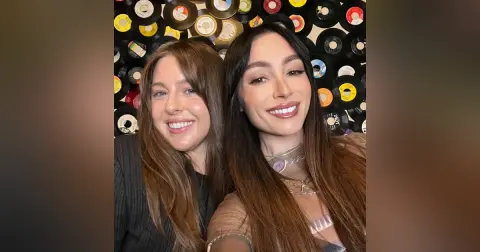
Want to know why some DJs instantly capture attention while others fade into the background? This week's guest, Wardrobe Consultant, Stylist, and My Friend Camille Ries reveals how developing your signature style can be the difference between being forgettable and unforgettable in dance music.
In an oversaturated market where everyone has access to the same music and technology, your personal style isn't just about looking good - it's a powerful tool for building genuine connections with your audience. From Peggy Gou to Skrillex, we break down how the most memorable artists use style to amplify their artistic vision.
Key Takeaways:
- Why most DJs' style mistakes are costing them opportunities
- How to develop your signature look without breaking the bank
- The connection between personal style and networking confidence
- Strategic styling differences for photo shoots vs. live performances
- How to build a cohesive wardrobe that represents your artist brand
- Practical tips for elevating your current wardrobe immediately
- Why accessories are the secret weapon for stage presence
- The importance of understanding your creative identity beyond music
Ready to level up your music career? Join my artist development program on Patreon for exclusive content and direct access to industry expertise: patreon.com/oliviamancuso
Connect with Camille and start your style journey here.
Stop letting basic style choices hold back your music career. Hit play now to learn how developing your signature look could be the missing piece in your artist journey.
Connect with me: @oliviamancuso__
Video Editor/Audio Engineer: James Fixx
00:00 - Understanding Personal Style and Authenticity
05:03 - The Importance of Style in the Dance Music Industry
09:48 - Building Confidence Through Personal Style
17:03 - Practical Tips for Developing a Signature Look
24:04 - Styling for Press Shots vs. Live Events
31:07 - Creating Cohesion in Your Wardrobe
36:53 - Final Thoughts on Style and Confidence
0:00 You want to understand how to be memorable to people, and you want to understand how you want to make people feel. When I first reached out to today's guest, I was buying clothes without really understanding why. Nothing in my closet felt right, like I had this closet full of clothes but no real vision for how I wanted to present myself in this industry. And.
0:50 Throw in the fact that I was getting older and, you know, hitting my 30s, typical rave wear just didn't feel right for me anymore. And my guest today didn't just help me clean out my closet, she helped me understand how to show up authentically in any situation from. Running to the grocery store. To photo shoots, to speaking at Chicago Music Nexus. What I love most about her approach is that she believes this knowledge should be accessible to everyone. Personal style isn't about expensive clothes or following trends. It's about understanding who you are and learning how to present that consistently, no matter where you are.
1:38 Today, she's breaking down exactly how DJs can develop a memorable style without breaking the bank. So whether you're struggling with press photos, whether you feel awkward at industry events, or you're just trying to develop a cohesive brand, this conversation will show you that commanding respect through your style isn't as complicated as you might think. Because in dance music, being taken seriously often starts before you even play. Your first track, this is funny because I'm going to ask you questions like, I don't know you like, I haven't styled me for multiple things. Yeah, but I want my audience to get to know you because you're so amazing. Oh, thank you. Yes.
2:19 I'm so happy. I found you all that time ago on TikTok. I think it was on Instagram. Was it on Instagram? You deemed me on Instagram. Yeah, but I think TikTok was the either way, I like, I liked what I saw. Yeah, yeah, yeah. So so you're you're a personal stylist. So tell me, what is it about artists that you like working with them specifically? Yeah, and And tell me what you do for artists. Yeah, absolutely. So I love working with artists because I am one like the foundation of like really what I believe is I believe and every individual out there is innately an artist to their core. And not a lot of people like, don't like, not everybody considers themselves an artist, right?
3:06 And I think that I love under like helping someone understand their version of like a their artist and like really how to like dig in to like their perspective and get behind their eyes and figure out what that is. So that is like what I do just for, like, a personal styling standpoint, like really just for the everyday person, even people who don't consider themselves as actual artists. But it's about, like me trying to dig in and help them figure out what their version of their artist is. Yeah. And for actual artists and artists who really consider themselves as like true forms of artists, I think that's like a whole different thing.
3:54 Because I think like, especially if we're talking like DJs and musicians, they can really come up with this whole different like character and like stage presence. And you know, even you look back at like the most iconic musicians and in the world, like, you know, Elvis, David Bowie, like Cher, they have this whole like character and like stage identity. And so I think when you're actually working with an artist from that standpoint, like they're probably a whole different persona when they're on stage. So that like working with an artist on that level looks completely different. And you have that takes a lot of strategy and understanding.
4:36 Like, you know, how do they want to make their audience feel and everything and how do they want to make their mark on their audience and how do they want to be memorable to them? So it's kind of like, it's completely different, like on a scale of like working with like an everyday person compared to a person that actually does like consider themselves a real artist in their career. Yeah. And I remember when I had first reached out to you to to work on my closet, I kind of explained to you that I am this like I have an online personality or whatever. So I have a kind of a through line in my brand that I am trying to represent with my clothes and I want to get into why that's important because I think we have to change some minds here today. A lot of DJs don't necessarily see why having a style is important.
5:30 But let's let's talk about when you work in the dance music industry like you've worked with me, what's different about working with DJs or people in the dance music industry versus other genres or or other, you know, types of people? Totally. So from what I've noticed throughout the years, going to shows like early in my 20s in Chicago, the DJ's that like I listened to growing up, that was like Skrillex, Don Diablo, like a lot of those like mainstream people that blew up in the past like 15 years. I don't think that they really needed to have this like strong style identity. I don't think they really like, it wasn't like a priority for them.
6:21 Do you know what I mean? And like, now that it's become such a, such an accessible thing and it's so like affordable for anyone to just like buy the equipment and just like learn, you really have to like, work so much harder and making yourself stand out. And yeah. And like understanding like who you are to your core and how you can reflect that and like your actual style and like the person that comes to mind like so specifically that does such a good job at this is Peggy Goo. Like she has such a you.
7:02 Like you can just see her identity and her unique taste and her everyday life and just how she brings that to what she wears and her performances and like her sets and just really thinking outside of the box, even if that means coming up with this, like completely different, like stage persona and identity that's like, different from your, like, everyday life, like a marshmallow thing. Like of course people are going to remember that. Yeah, You know what I mean? So it sounds that answers the question. It sounds like there's a lot of opportunity, you know, to to to brand yourself of course. So you were kind of answered my next question, which is why is it in for DJs to have a personal style in 2025?
7:48 Just again, because it is become such an oversaturated, I think you have to work harder at making yourself stand out and being unique, right. And not a lot of people are, I think, like doing that just yet. I mean, of course there are some people I think that are, but there are a lot that are. You have to work harder at it and making yourself stand out, yeah. The DJ uniform I see a lot for the men especially. No offense to the men, but it is the T-shirt and jeans. Or like the colored shirt. Yeah, there's this like, OK, so there is like this pipeline of like bro frat boy culture to dance music.
8:30 You get what I'm saying? And it's this like Ralph Lauren, like collared shirt. Like that's what they're wearing. And like, obviously like, that's fine. But like, if you want to actually see success and like make a mark, then like that's something that has to change. Like of course that's fine. If you're just kind of like laying for friends at like parties and that's all, like you're going to take it then totally, that's fine. But like you have to like really understand yourself and who you are as a creative. Like you're obviously you're doing something creative DJing. So like, be an artist, right? Pull through and through, right?
9:12 Show it like in your expression. And as the consumer of the music, I have to be able to pick you out of a lineup. Like I want to make sure that I know who you are when I'm when I'm looking at you because it shows me, can I relate to this person? Do they have something unique that I've never seen before? Like Peggy being the perfect example. I even think of James Hype with his crazy Wolverine hair. You know it it, it makes a lasting impression, but also I think it contributes to you being able to make better music when you like. Really explore your creative side at every level. Yeah. And when people go to shows, like as human beings, like we want to, we want to be inspired.
9:56 We want to be inspired visually and emotionally, and we want to take something away from that, like show that we go to. And we want to bring that to our own lives and let it inspire, charge up something in our own lives. And I think like when they're like, you're not kind of seeing the artist in the full picture. And there is like, as an audience, we'll see that disconnect if maybe their personal style or the music isn't really lining up or aligning. I think sometimes the audience will catch on to that and they'll feel and see that disconnect. Yeah, a little bit. It's 100%. All in all, I think it's just, you know, you want to understand how to like be memorable to people and you want to understand how you want to make people feel more than anything. Absolutely, yeah.
10:50 Your clothes really can make someone feel sure a certain way. Sure it can inspire. It can spark curiosity. Yeah, yeah, absolutely. And it, I mean, it takes so much. It's not an overnight thing. It's such a process to really understand who you are stylistically and where you want to be stylistically. And I know it. Yeah, a lot of people really struggle on like where to even begin, which I know that's something that. That's why I reached out to you yes no I mean it is a journey I I can attest to how well and I want we'll we'll save this for in a little bit your services and your and your process, but the board that you made for me the Pinterest board. I have gone back to that time and time again for inspiration when I'm like, I don't know what to wear to this thing. Like I just used you uploaded a photo of Miley Cyrus, that I'm like that.
11:41 That's my inspiration. Yeah. But it's like it's not something that still, even though we made that board almost. Was it last year? I think it was last summer. It was definitely it was. It was a while ago. I still, you know, have to go back to it because it's like, it does take time for it to become innate to you. So totally. And I will say you did a very good job at kind of strategizing beforehand. Like you kind of you understood like where you wanted to pull your inspiration from and like what those like timeline marks like specific runway shows from the 90s. Yeah. You knew your people that you were kind of drawing inspiration from. And so you giving me all those details of where you find inspiration visually and even within like artwork. Like once like you laid all that out for me, I was like, I got it.
12:35 And then so all I was able to do is just spend a lot of time researching and compiling those images and really strategizing and figuring out like, you know, where you can potentially shop and where we can source those pieces. So you did a great job strategizing on your end, like where you wanted to be. And that made my job like so much easier. Well. I'm glad. OK. So that raises a great point. Yeah. For people who want to start this journey, Yeah. Where can you pull inspiration from? Oh my God, where? Are the basic places. I mean Pinterest is obviously like the biggest go to. There are a few other like inspiration like image pulling platforms out there that I discovered recently, but I am totally blanking on the name of it.
13:22 OK, we'll find it. We'll put it in the. Show yeah I will find it and I'll figure it out but I'm totally blanking I know like I created an account or something a while ago but there are other platforms out there but I think like getting really specific on like what inspires you like I think for example like yours was like a 90s Versace runway show and so that is like what I was like looking up specifically even that if that was just pulling images from Google right so I think getting really hyper specific on that when you're researching like I just I pull images just from like articles that I come across I take screenshots I mean I would say the bulk of it does come from Pinterest yeah but like I do a lot of like Instagram digging and pulling images from that in like specific images from other accounts and so really just like anywhere yeah. So what about some key like because for the people who don't know that they, you know, are into 90s Versace runway like what are the keywords that they should be searching to like get their creative juices flowing?
14:32 That's a great question. So obviously that looks completely this is going to look completely different for every individual person. I think like it's just really about understanding what you're attracted to visually, What inspires you visually? Really thinking, obviously we don't want to copy and paste like someone else's style, but like, really, that's why I in my survey, like I really ask like, who are those other creators out there that really inspire you? Other celebrities? Is it friends and family and your people in your community? And like I put people like that on people's mood boards. Even.
15:16 It's like, like I have one friend and she just let her group of friends is like her most inspiring thing to her. And I put all those like a bunch of those things on her mood board. That's so nice. Yeah. And so it's even just like things like that. And I tell clients like, I don't care if you're outside looking at nature and like the type of leaf you're looking at inspires you, inspires you because you love the shape of it. Like really getting hyper fixated on those like minimal mundane like things. You have to develop this strong sense of discernment and understand what you like and what you don't like and figuring out how to translate that into your own expression.
15:57 So when it comes to actually researching and you know, finding like and pulling those images like writing stuff down when you're trying to figure that out to start your like researching strategy because it looks it should look so different for every individual person. Right. And even just going out to thrift stores and you don't have to buy, just look. Go to arts. Go to Art Museum You. Have to get out of the studio, is basically what we're saying. Get outside just like look around. And I just don't. I think it's just something that everybody just doesn't even think about. Yeah. Like so easily, just like even like looking at this painting that's in front of us, like I can name like three things that are really inspiring to me visually. The.
16:48 Textures, yeah. Slow. So. It's just like that's like really what it's all about. And also too like in the same breath, OK, I actually don't like that because of XY and Z, right? Figuring out what you don't like. Yeah. So yeah, that's huge. And it's just like it's all about understanding yourself. Right. And one thing that I, I want to ask you about and mention, you know, a topic that gets brought up among my Patreon students and my Instagram audiences, they lack confidence when it comes to networking for a plethora of reasons. But one underlying reason I think is there is they don't have the confidence. So talk to me about the link between finding your personal style and confidence.
17:35 They've, they've got to be related to each other. Because I know when I feel like I'm wearing an outfit that's like, wow, this really represents who I am. That's when I put my best foot forward, when I'm trying to meet people, network, make shit happen. I really think I have like a similar answer to what I just said. I mean that relationship like to its core is knowing who you are and really understanding that sense of discernment that you have. So obviously discernment obviously means placing judgment. You don't want to judge, obviously other people, but really have respect for other people's, you know, perspective, having a sense of discernment for yourself. Yeah.
18:21 And I think the more you can develop that and figure that out, that will make you authentically express yourself. Yeah, that's going to just naturally give yourself more confidence. Yeah, yeah, 100%. And do you think that your style affects the way that you connect with an audience to like, is it just another if you're throwing out tentacles to try to like capture an audience, Right. Your style's got to be one more way. Like if they're, if you're trying to make content, for example, because every DJ is trying to figure out how do I make content, you know, that gets people's attention. Well, if you're not sure how did you have the best hooks yet?
19:03 Because you're not really a marketer and you don't really have a lot of music to share yet, I feel like your style is one way that you can like, get people to stop and say, Oh my God, wait. I like, I like what they're wearing. Like I'm interested. Totally. I think it can really have, yeah, I think it can have a huge impact on people because you never know, like, you might go from like one like identity to another. Like, say you have like, you know, a guy that's just wearing like T-shirts and, and then all of a sudden next thing you know, he's wearing like a bunch of crazy colours and really cool hats. I'm just throwing a hypothetical situation out there. But like, maybe like what he's doing and what he's wearing, like there's a few people out there that he really connects to and was like, oh, like maybe those people out there, they'll like, I don't really understand that that's what this guy actually was like. And I don't know, you never know, like the impact you can have on people who want to maybe. Authentically express themselves in a similar way, but they're too scared to, right?
20:08 Right. And so it's just like, really, it's just so important. I know I feel the difference of how I present myself, carry myself through the world and how people respond to me when I'm wearing something that I feel represents me. And it doesn't mean it's like the fanciest, most, you know, thought out outfit. It's just something that, you know, represents who I am. Totally. So it's crazy because after I had already texted you asking if you wanted to do this. Yeah, somebody messaged me out of the blue and was like, it was a DJ. And he was like, hey, I don't know what to wear for my upcoming press shots. I've never gotten them done before. So I wanted to talk about that specifically because for the DJs who might already kind of have a sense of what their style is, but they're like, what do I wear to a, to a press shot?
20:54 Let's walk through that. What are the differences in the things they need to consider? Totally. So as far as like from a lot of the press shot, I've seen amazing press shots and I've seen OK press shots, but I think like if you were to just Google DJ press shots, they all look the same. Yeah, they all have like the headphones are just like other like indications that they're ADJ. And I think that you should be looking at your press shots as a whole, conceptual editorial, if you will. You should be getting really, really creative and coming up with some sort of concept or story that is a true testament to who you are as an artist.
21:38 Instead of justice, like shots that look like they're just a headshot. I think there's so much opportunity. I mean, obviously content is everything right now. So like, get creative with it, like have fun with it. Do something. I'm not saying do something wild and out of this world, but something just like spend some time actually thinking about a concept. Like hire an amazing photographer, someone that can give you great creative direction. I just think that is the way that DJs should be looking to strategize their press shots.
22:21 Yeah, it's like a really like a conceptual shoe. Yeah. So yeah, it's just I think that's going to really stick out to people. Because I think I mean, like you said, it's there's a lot of indications that it's a DJ press shot. It's typically like a serious face. You know, I mean, I had that like, I feel like I had DJ press shots last time, but ours was amazing. I mean, those photos that we took, I've used those for so many things, but it's like the serious face. It's like the, you know, Yeah, yeah. Which like you can get, you can step out-of-the-box a little bit. And I like what you said about making it a whole story because you don't need to communicate that with your words. You communicate it with the photos. And I say this every episode, but for people who don't necessarily know how to bridge that gap, like use AI be like, I love XY and ZI want to dress like XY and Z for this shoot. How can I?
23:15 There's so many prompts that you can put, and I always recommend working with people first because AI cannot get you where other people can. But if you're not there yet, like if you can't hire a photographer, you have to use your iPhone and go, you know, in the streets of your city to shoot content because you just don't have the resources yet. Like there are ways to accomplish this. I know because I did it. Really, and obviously I don't know how often DJs will work with a stylist to do press shots, but I think that's a great opportunity to use the skill set of a stylist to help because a lot of stylists do kind of have that dual creative director brain.
23:57 I mean, I feel like I kind of do a little bit so because I do feel like I can see the whole picture of a whole photo shoot from start to finish because that's what my back ground is in. But I think that's like, obviously a great time to just do that and use like a stylist skill set and brain to kind of really guide them in the right Yeah direction. So, so walk me through your process when you work with an artist or a creative person of of any type. Yeah, how how are you styling them and what are the differences for a photo shoot versus like a night out? Because you also styled me for Chicago Music Nexus. So we had much different considerations for my photo shoot versus Nexus.
24:41 Yes. So it can look very mildly different based on the person. I mean, my process when I first starting out with someone I would say looks pretty much the same for everybody. Usually I just start out with a very lengthy survey, a couple meetings and it really depends on that person's needs and goals and what they're looking to do what where they're trying to be stylistically. I've had people that are really just like needing a closet clean out and just like really need a kick start in there like style journey. That's like what one of my package offers, but I've also had clients where they're like, I need a full closet cleanse, I need a full brand refresh.
25:29 I'm having a whole photo shoot so it can look very different. It's so based on each person. So I mean, there's obviously a lot of meetings back and forth, but like I spend so much time just thinking about that person. I like spend a lot of time on my couch thinking about that person, researching, compiling like all my images for them and like the inspiration that they have given me, inspiration that I find that I think aligns with them. So I have like a specific platform that I use to stay organized with all of that, especially on Pinterest. So yeah, I mean, that's kind of how it starts off, like quite a few meetings, a lengthy survey, and it just I always want to make sure I'm meeting my client with where they're at in their process.
26:24 That's really important because being someone's stylist is such a personal relationship and yeah, it can get very emotional. Totally. Very easily. And so I think it's really important that I am very sensitive to that. And so, yeah, it can look so different for each person, and I just want to make sure I'm always going at a speed that works for them. Yeah, you. When we first started working together, I had communicated some health issues that I had to you and having a dress for like a different body than I'm used to. And you came up with so many solutions for me and like tricks that I'm still using when I'm having days that I don't feel so confident.
27:11 And one thing I wanted to mention before I forgot too, I feel like with photo shoots too, you can play, you have more flexibility because no one's going to see you in person. So like we were clipping things that were too, you know what I mean? Like so you like, you can make things work that wouldn't necessarily work in person. Like totally. Whereas versus an in person event, you know, I was concerned with a silhouette from every angle. I'm like, I'm going to have a photographer over here video for you. So I had to make sure that the 360 was good versus a photo shoot. Exactly. You can really like get weird with it because you're like, no one's going to see these giant, you know, chip clips in the back or like whatever you end up. Yeah, exactly. Yeah, yeah. If, like things are a little bit too big, it's like never a big deal.
27:52 Yeah, because it's just photos. You brought me your own shoes, but you brought me. I brought you half my word. You. Did and I love you so much for it. So OK, so let's go through like some practical tips So. What? Are actually how do? How do you suggest people develop a signature look without breaking the bank? Yes, OK, that is a great question. I would say it is I it's, I feel like it's going to be kind of kind of similar to what I already said a little bit, but it's extremely, extremely doable to do this without a stylist. It is all about scheduling the time to do it and think about it. So I would say if you really want to make this work on your own, maybe you're like, I know I want to use a stylist down the road.
28:44 But for now, this is how I need to start scheduling in at least anywhere from 2:00 to 5:00 hours per week to do some research, spend time thinking about like where you want to be stylistically and just writing down who inspires you, what inspires you, just anything that and or just experimenting in your own closet. And just so I think if you can actually schedule that time in to do that weekly, that's the most perfect place to start. Or even if that is like going to a thrift store or just going to any store and try stuff on, like you shouldn't feel the pressure to actually go in a store and try on anything and buy something.
29:37 If you are feeling pressure to actually buy something, then that means you should just leave. That isn't the right place to do that. But people who work in stores are there to help you figure out what silhouettes and shapes are going to be best for you, right? So if they're going to pressure you to buy something, then that's obviously not great in my opinion. So even if it's spending time doing that, so whatever that is from 2, anywhere from 2:00 to 5:00 hours a week, that's the best place to. Start yeah, no, that's important that you remind people that you have to schedule in the time because everyone thinks like I'll just do it when I I'll. Just do it. I'll just do it. But if? You don't schedule it, it's not going. To happen in your calendar, Yeah, I'm like an organizational freak.
30:21 I live by my calendar. So that's just how I operate. Like, you understand, you're, you own your own business, so you get it. But yeah, it's just really scheduling that time to focus on it. And I think that you could hire hire a stylist a bit later down the road, kind of once you get to a point where you're like, OK, I have this. I know where I want to be stylistically. I have all these images, I have written all this stuff down. I have this in my head. And then if you're kind of at a loss on where to shop, where to find pieces, where to find pieces that are in the right silhouettes and shapes, I think that's when a stylist can come and play without breaking the bank.
31:07 Yeah. Because, like, I can spend a few hours shopping and sourcing for someone without breaking the bank, right? And so I think that's when a stylist could come and play without it being like too crazy expensive. But so basically. Do some research first on your own and get a foundation. Of course that's gonna that's gonna save totally you and the stylist time working together if you're not starting from scratch. Totally taking screenshots you come across on social media. Start an album in your photos folder like with the screenshots that you have so you can refer back to things. Yeah, that's great advice. Yeah. So what are, so I know everybody style is different, but what are some essentials just like things that everyone should have in their wardrobe?
31:52 And the one thing that comes to mind for me is like a like a something that I can throw on that I know I'll like it. It's like my like fail safe, which is for me, it's like a slightly oversized button down. If I have nothing to wear, I'm just like, that's my thing. I'll just put on one of those. So my answer to that is that it should be so different for everybody. Of course there are going to be similarities like between artists, of course. But like, if you think about it like I'm sure Peggy Goo's essentials are completely different from Skrillex. Yeah, You know what I mean? Yeah. But like if we're looking at it from a very big picture standpoint, I think comfortable shoes, of course, for like very long set performance hours. And then also just I think if we're thinking about performing and set wise, prioritizing what you're going to wear from the waist up, because that's what everyone sees, right? Right.
32:52 The point prioritizing comfort from the waist below, I think that should be the essential. But like I said, everyone's essentials should be completely different, just like anyone's personal style should be completely different. Of course there will always be similarities between people and synchronicities, but yeah, it should be different. Find out what your essentials are. Yeah, that makes sense. So, OK, if someone's starting to build a wardrobe, how do they build one that's cohesive? Because I got stuck in the trap a couple years ago when I was really like, got into thrifting for the for the first time, and I'm like just getting all these funky pieces.
33:34 And then I realized I have all funky pieces and no basics. But then people have the opposite problem where they have all basics and no signature pieces. So how do you build cohesion through everything that you buy? Totally. That's a great question. And I've totally had clients that are like they have too many basics or they have too many like loud pieces. And that's like one of the first things I can always notice. So that I would say is what where I come in to play most of the time. And because like they didn't really see that. Well, I would say you probably noticed that before I kind of came into play that you had too many funky pieces. Yes, I did. So I would say it's honestly probably what I told you recently is there's an app that I use to upload images for all my clients and all their pieces. And you can kind of see your closet digitally, all right, as a whole.
34:30 And so there are a couple other platforms that do this, but the platform that I use is called Wearing, and it's a free app. It's based in the UK. And yeah, all you have to do is upload images of all. And this is like, obviously for someone to do this on their own, yeah, without a style. Right, I'll put that in the show notes too. Yeah, yeah, yeah. So, but I do recommend it to people like obviously, like I think you started an account on your own because that wasn't, I didn't, I wasn't using this when we first met. But it has been incredibly helpful, I think, for someone to just see their wardrobe it, it just always looks so different when you're seeing it digitally versus in person. And I also think for someone to really see the cohesion of their wardrobe, lining it all up on a rack so you can see kind of like what you're missing is great.
35:28 But I think even more so in the A, when you're creating outfits, you can actually see what you're missing. Yeah. And what you're lacking and where those gaps are falling. Yeah. Yeah. It's great advice. I, I think I told you I started this before we even met. I started like once a month, I would go through my closet and I would pick one item and then I'd throw it on my bed and I would put as many outfits together with that item not on my body. Because when you put it on your body, all of a sudden there's bias. So I don't like how it looks here. There's this or that. So I would just take that one item and make as many outfits as possible, take pictures. And I still have that album. And it's funny because like when I started doing this in like 2021 to now, Oh my God, my style has changed so much and improved, thank God. And not all of those outfits were right. It was just an exercise in how can I be creative without any judgment of what this looks like on me. And so that app is like kind of it's. Very similar.
36:24 Really, really helpful. And like I said, there are other apps out there where you can look at your wardrobe digitally and upload your pieces. I think there's a few out there that you might have to pay for. And I think some of the apps actually have their own stylus, but this is just kind of been like the best option just because it is free. Yeah, it's great. So easy to use. So it's just been what's working for me right now when working with clients. Yeah, I have my client make their account, they upload everything, and then I actually go in and create a bunch of outfits for them. But obviously that's something that they can do on their own too. So I just, it's really nice to kind of see how like digitally it literally is like the closet and what's it called? Clueless.
37:14 Yeah. Like that's like literally what it looks like. Because yeah, it's just, it's so fun. I love that. OK, so I want to get to my Patreon student questions. But before we do that, what are three like quick things that a DJ who just has the wardrobe they have starting today or tomorrow? What can they do to improve their style? I would say really paying attention to accessorizing because I think that's just obviously like the best way to like elevate anything like a really interesting pair of sunglasses. I don't know, something like a cool hat to wear on their head.
37:55 And I think if we were going to go the all black route, like most DJs do, integrate something with a different texture or dimension. Because I think when wearing all black, that can really, really go a long way. So instead of just like a black T-shirt and black pants, just adding something with like a really interesting shape, fabric, texture, whatever. I think that can go a really long way. I keep wanting to say like some sort of really cool jacket or coat, but I feel like in that scenario, when a DJ is playing, I feel like people can get hot. Really. You? Start with it. You take pictures and.
38:37 Yeah, exactly. So that's I would say is my third thing, but I'll let you know if something else comes to mind. I love it. This has been. I learned some new things today, so thank you so much. Very much. What strikes me most about this conversation with my friend Camille is how personal style is not about buying more clothes, but understanding why certain pieces make you feel confident and building from there. When you're not. Randomly shopping or second guessing your choices, you can focus on what really matters, your art and your connections. I love how she breaks this down into practical steps anyone can follow. You know, sometimes it's not.
39:20 About buying anything new but understanding. How? To use what you've already bought more effectively, I know. Because I've used her strategies to completely. Transform how I show up in this industry. The mood board she made for me more than a year ago, I still use every time I'm struggling for inspiration. So for the artist listening, I hope this conversation helps you see that developing your style doesn't have to be overwhelming or expensive. Whether you're networking, performing, shooting press photos, it's just about making intentional. Choices that align with. Who you are, If you want to dive deeper into building your artist brand, you can join my Patreon. I will link that in the show notes. And if you want to reach out to Camille and talk to her about her styling services, I highly recommend you doing that.
40:06 I'm also linking her information in the show notes. Remember, feeling confident is in how you present yourself and it's not a luxury, it's a necessity and it starts with understanding the why behind what you wear. I'll talk to you guys next week.