Tired of Making No Money? Industry Experts Share Their Solution | EF EP 87

 Spotify

 YouTube

 Apple Podcasts
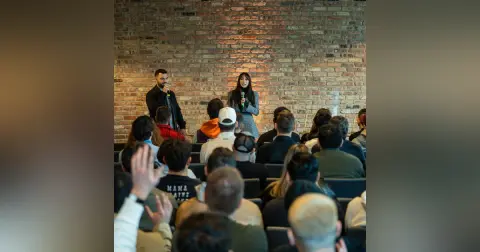
Want to know why most DJs struggle to make a living while others build sustainable careers? In this special episode from Chicago Music Nexus, a powerhouse panel of industry experts breaks down the revenue streams you're probably missing and the mindset shifts needed to monetize your brand effectively.
From sync licensing deals worth $80,000 to building academies and D2C revenue streams, our panel reveals how thinking beyond gigs could transform your financial reality in dance music. If you're tired of struggling to make ends meet in this industry, this conversation is your wake-up call.
Key Takeaways:
- Why relying solely on gigs is a dangerous game
- How to identify and leverage your unique value
- The truth about building multiple revenue streams
- Real numbers: What's possible beyond performing
- Why your personal brand matters more than ever
- Practical steps to start monetizing your expertise
- How to build sustainable income in dance music
🎫 EXCLUSIVE ANNOUNCEMENT: Year One loyalty tickets for Chicago Music Nexus 2025 dropping soon! Follow @chicagomusicnexus for first access to early bird pricing and exclusive perks.
Ready to level up your music career? Join my artist development program on Patreon for exclusive content and direct access to industry expertise: https://patreon.com/oliviamancuso
Featured Experts: Mike Salvione, Celia Rose - What Up Pitches! Anj Fayemi - Rivet App
Don't let another year go by struggling to make money in music. Hit play now to learn how to turn your passion into profit.
Connect with me: @oliviamancuso__
Video Editor/Audio Engineer: James Fixx
00:00 - Introduction to Chicago Music Nexus
06:02 - Monetizing Your Personal Brand
11:58 - The Importance of a Strong Brand
18:00 - Exploring Revenue Streams Beyond Gigs
23:56 - The Need for Diversification in Revenue
25:08 - Building a Brand Beyond Music
27:36 - The Importance of Relationships in the Industry
28:37 - Monetizing Your Fanbase Authentically
30:01 - Creating Value Before Selling
32:02 - Navigating Networking and Value Exchange
33:44 - Challenges in Monetizing Your Brand
37:04 - Best Practices for Merchandising in 2025
40:35 - Maintaining Authenticity Throughout Your Career
41:51 - Transitioning to Full-Time Creative Work
45:48 - Defining Your Brand Beyond Aesthetics
1:49 Wow. OK, OK. Real. Are you guys sure you're at the right place? Chicago Music Nexus? Because, like, it's a bunch of DJs that are on time. Thank you. Was it the open bar? Yes. Was it the Malort? Was it the Malort? Thank you. Thank you, guys. Welcome to Chicago Music Nexus. Make some noise. I just wanted to take a second to introduce myself and Olivia as well. And we want to tell you guys more about why you're here today. So for those that don't know me, my name is Sherm. What up and what up?
2:31 And 10 years ago, I entered the music industry. Just some kid from Indianapolis who loved dance music and want to start DJing and wanted to see what the future might hold for me. And over these past 10 years of experience, a lot of highs and lows like many of you guys. And there's really only two reasons that I've stuck around. One, of course, the music, especially house music, music is the best, right? That's why we're all here sitting in these chairs. The second is undoubtedly the community of people that I've met, because this is a really hard job and we feel like we're alone a lot of the times. And I felt like over the past 10 years, I've been searching for a community, many of which I've found, and these people have inspired me and made me happier than anyone else.
3:16 But we needed something like this. We needed Chicago Music Nexus to know that you are not alone. Look to your right, look to your left. Look in front of you. Look behind you. We're not in a line. We're all sitting at the same lunch table. Huge lunch table, by the way. But it's a good time. And again, let me be the first to welcome to the Chicago Music Nexus community because this is the beginning of something very, very special. I want to take a moment to thank Olivia. She is one of the most impressive people, period, to work with and it's been an absolute pleasure. So I want to make some noise for Olivia. Back at you. Yep, and I do want to say, guys, whether it's your first year in the industry or your 20th, I want to thank you for showing up, not just for the fans, for the managers, for the promoters, but for yourself, because you have to be your own biggest fan every single day.
4:05 So thank you for showing up for yourself and thank you for being here today. We're going to have a great time with some amazing panels. I'll hand it off to Olivia now. Thank you. It is. I've talked to so many of you and you guys have come from all over New York, MD, Ohio, California. That blows my mind. If you don't know me, I'm the host of the Elevated Frequencies podcast, Co podcaster with Sherm, Co founder of Chicago Music Nexus with Sherm. And you know when I talk to artists on my podcast every week, I hear the same struggles over and over. How the fuck do I make money? How do I? The fuck do you make money? That's right, repeat. It I wish I could tell you how do I grow my social media presence and I realized that those are the same struggles I face as an entrepreneur in a completely different but parallel industry. And so when Sherman, I connected, we realized there's no dedicated space for these conversations in Chicago or the United States, quite frankly, and no place where artists could openly approach industry professionals and say, hey, can I ask you a question?
5:06 Because nobody wants to do that in a club. It's awkward. It's embarrassing. Do any of you consider yourself introverts like me? Right. Show of hands, Yeah. Yeah, they won't raise their hand because they're all introverted. Exactly. Exactly. And so you know this, this is not about us. This is about creating the resource that we wish we had when we first started. It is about you guys. So ask questions when it's time, share your stories during the networking hours. Super important. I know it can be awkward, but I saw you guys chatting. You know what you're doing. We just created the space for you to do what you're already good at. So thank you for coming. And I also really want to thank our sponsors for being so incredible, our spouses, our dance music community, everybody here who's been helping out, the help that we've brought on cares about the Chicago dance music community.
5:53 And that is why you're sitting in this nice ass room. We couldn't do it without any of them. So thank you guys so much and thank you especially for being here. And I think we've got our first panel monetizing your personal brand. Why don't we bring on up Let's run it, our panelists. And and paper out. OK, we're starting off strong with everyone's favorite subject, which is money. At least it's my favorite subject. I don't know about you guys. I think that's why a lot of you are here. How can I make money in this industry? Because you can't rely on touring forever. Maybe that's like your dream to tour around the country, but maybe you also want a family, maybe you want kids, Maybe you just want to slow down a little bit. And so that's why it's important to discuss what other revenue streams are out there for you.
6:39 And there are a lot you guys just maybe don't know about them yet. So diversifying is very important. And that's why I've brought on these three amazing panelists, which I am going to let them introduce themselves to you. We've got Mike, Celia, and Anj. Thank you so much for being here. Thanks for having. Me. All right. So first thing I want to do, I want you to briefly introduce yourself and talk about the number one way you've monetized or helped artists monetize their brands. We'll start with you, Mike. All right, so I'm Mike Salvion as an artist that go by Salvion DJ, producer, radio presenter, audio engineer and owner of the Elevated brand, which is aimed at raising the vibration of the electronic music community through Elevated Radio and Elevated Academy, which is also the number one way that I monetize my career. And I've basically just taken the knowledge that I've gained through years of experience schools, you know, my experience engineering for artists like Danny Tanaglia, and just turn that knowledge into a system that streamlines what took me years to get students those results in months. Amazing.
7:52 And you guys got to talk to them about Elevated Academy during that working. It's pretty incredible, Celia. Hello I go by Celia Rose and I am one of the Co founders of What up Pitches. It is a sync licensing agency as well as a music production house run by three kick ass women and my two partners are based in LA and I am a singer-songwriter myself. Used to be a touring performing artist. Then I had three children and I was just curious how to keep like doing my music career and making money but but I couldn't tour and do all these late night gigs gigs anymore. So that's when I went down the rabbit hole of learning about sync licensing and that's where I am today. Can you tell me you said this on my podcast? What is the most somebody can make off of a song that you've heard?
8:38 You said a big number. I mean there's big numbers, like way over, probably over 100,200 thousand. I mean, I've personally seen 80,000. Off one track guys. Yeah, I got a MGM promo and that's what they pay for that, so it's kind of mind blowing. It's amazing. We'll dig into that. Hello. Awesome. Yeah, Hello. My name's Ang Co, founder and CEO of company called Rivet. Also started as a musician and then also an engineer. I started engineering at MIT, did some finance stuff, and then now we build a platform that's basically an AI marketing and community platform for labels, management companies, artists to help them basically build D to C and grow D to C revenue. So that's how we help a lot of artists monetize, find and identify their top fans and then lean into them with offers, exclusives, discounts, VIP experiences, direct marketing, etcetera.
9:38 It's amazing the AI, so many people don't even realize how many AI tools are out there. And it's it's incredible that you kind of streamline it under one, one app. So we'll definitely get into that. Before we start talking about how you make money though, I want to talk about having a brand because it is important. So in, in your opinion, how important is it for an artist to have a strongly defined brand before they start trying to monetize it? And tell me what you think a brand is, because it's not having 5 million followers at all, right? Do you want to whoever wants to start? I can start. So for me, the way I see it is it helps me to know what to reach out to you for, right? SO obviously a lot of people here are certain kind of music and we at our music house, we cover whole spectrum. But like if I need house music, I need to know like what you do. So that's for me as the brand, right? What's your clear thing?
10:34 And then once you're in the door, once I know you're really good at this particular thing, I can work with you on that. Then if you do a whole, you know, plethora of different genres and different things, then I might go to you and say, hey, do you have some country music hybrid stuff and maybe you do so. Yeah. So, so it's basically showing the people that you want them to pay you, who you are. Could you answer this for me, Mike? Because you you do such an amazing job on social media. What is a personal brand to you? I think a personal brand to me is just who you are as a person, right? Like, you know, a lot of people have their acts and their, you know, the things that they do, the fissures of the world and, you know, being over the top. But I think the truest brands are those that are authentic to the artist because one, it's easy for you to be that person.
11:21 You're just showing, you know, the good sides of you, either on socials or all that. And people see through all those acts. So they really relate to that authenticity. And I think that that's like what relates most to people. Yeah. Would you say that that's helped you get your gigs and in Ibiza and being at Ade because you've you've been represented there for the past, I don't know how many years? Yeah. I mean, I think that that's like the biggest thing, like even with the Academy, it's just being authentic and showing that to potential students or, you know, brands that I work with or labels. It's just people buy into that authenticity. Yeah. What about you and what do you think about having a brand? Yeah, to me, personal brand basically is just why, why do people come to you?
12:07 So if we even think about what is on brand or off brand, that's us actually saying, OK, this doesn't seem like that person because that's not why people come to them. Like that's how you can distill easily for anyone who sees you, why they would come to you and why they wouldn't come to you. And that scales across like your business endeavours, you as a person. Some to what Michael saying and yeah, that's that's how I see it. Yeah, I think it's important. In order to have someone give you money, they need to understand what you're giving them back, right? It's true of Chicago Music Nexus. You guys wanted to know, well, what is this thing? I've never heard of it before. And having a strong brand is really important because people are protective of their money, as they should be.
12:50 Yeah. Also, if you have a clear brand, you're more memorable. I know when I go to events, there's some people who I'm like, I know them because of their brand. Like they have a certain look or a certain, you know, logo and, and they do their thing. Like our brand is this is our color orange. So whenever I'm at an event, I have like 3 orange things. But anyways, now I have to buy more orange stuff. But yeah, we sort of stay on brand. And I think our brand helped us a lot when we first started our company. What at pitches, it was striking. It was clear. And it's sort of, what's the word, you know, catapulted us in a good way. Yeah, yeah. Are you going to say something, Mike? Yeah, I think, you know, speaking even just So what you're saying about, you know, Chicago Music Nexus, it's like a lot of people think like you have to have this really, really strong brand, which again, like you were saying isn't just followers, right, Right. And I think that, you know, it's often you don't actually have to have this crazy amount.
13:46 Like people think you really need that to monetize. And you know, I thought that way early on too. I was like, oh, I need to be at a certain level, like a Jamie Jones or have some huge label to like, you know, have people take like an Academy of mine seriously and you know it. Yeah, that helps, right. But as long as like, you can show how you can provide value for people, like, you know, it's like they have a problem and they want to get somewhere. The solution. And what you have is that solution or the bridge between the two, then they'll give you money. You're providing them that value, which is obviously what you've done here. That's cute. Thank you. That's key. Yeah. Being a problem solver, being a solution for people. And as a DJ, you are a solution for people.
14:28 Think about, you know what people come to clubs for? They come to release, they come to hear music. Nobody understands house music like our community does. And so you are a solution for so many people. So let's let's get into these revenue streams. What are some revenue streams that artists overlook beyond gigs? Because a lot of people just think, oh, I just got to keep gigging. So what else can they do? I can. Go so the kind of the core of what we do is helping artists figure out what what those additional revenue streams are by understanding who your your main and top fans are. Super fans has become a very overused word.
15:09 But really, how do you find the people who are that next level of engage with you and super serve them? That doesn't necessarily mean a gig that could be a paid subscription to have some access to you. Some people sell lessons, some people sell other types of VIP experiences. Some people understand have such a close relationship with their their fans or that that that niche community that they can launch specific merge drops to them and do that. And when you are able to basically find products that resonate with that super fan community and deliver directly to them, you basically capture most of the value that that you wouldn't otherwise if you were going through some other third party or you were assigned to whoever. So a lot of, I'm sure we're familiar with a lot of success stories like LA Russell and people like that who basically just super serve their community, find where they are, pull them somewhere, start to give them more than they would otherwise.
16:09 And so I think this idea of kind of gating and and segmenting out more engaged fans and people within your community is really the future and the way to really have more ownership over your career, over your revenue streams. Algorithms change every day. So when you post stuff, you don't even know it's going to people. You want to have your own e-mail list, you want to have your own phone numbers list. You want to know, get directly to where your fans are when you need to with whatever it is you're selling to them. And those are kind of those are some of the things that we've seen work well. That's a great point about e-mail lists. I know, Mike, you have a great one.
16:50 Let's let's talk about it because I don't think even I sometimes forget the importance of having one because you can be deep platformed off any social media at any time. Facebook, Instagram, TikTok could just say we're kicking. I've seen it happen to people without cause. So talk about your e-mail list and and how you utilize that to monetize. Yeah, So I mean you can grow e-mail lists pretty easily, right? Like put out, put out a track on a hyped it, you know, you can gain it that way. You can and gain it through putting on a sample pack, doing any of those things. And once you have a list, like people pay for an audience, look at all these influencers. That's all they make money off of is, is that audience. So if you could build that, you know, you could use it to get deals with software companies, you can use it with labels, anything that you can push that audience to. Like there's such a market for that that people will pay or just give you free stuff to kind of build it. Yeah.
17:43 Yeah, and it's important to think about that. People who sign up for your e-mail list really care about what you have to say because nobody wants an extra junk e-mail in their inbox, right? So if they're signing up for your e-mail list, like, those are the people that you should be paying attention to the most. You know, add something very quickly there to the point that we're making previously about brand. The more you engage with that, an e-mail list that close community, understand them better, understand characteristics, interest, preferences within that and can take that to other people or show hard data or information on OK, people in my community are big fans of your lemonade or whatever, and I have that in data, which we help a lot of our artists do.
18:26 It makes it a lot easier to land brand deals and work with people who would resonate specifically with your community because of the specific brand that you've built. Did you have something, Mike? Yeah, I was just going to say like in terms of, you know, ways to monetize, like outside of gigs, I think one of the biggest things is just to kind of take inventory of like what you're already doing well and how you can provide value to others, right? Maybe you're killing it on socials, like your contents, great, you're mastering, you know, video editing well, go to an artist, go to a label, go to a brand, offer them that service. And then not only are you bringing in revenue, but you're building a relationship. And that's a relationship that you can use to further your artist career, right? So, you know, I always like to tell students that like, you have to work with someone before you can work with someone. And so it's like things like that. Or, you know, a big thing too is that I tell them it's like if you're a producer or a DJ or, you know, you have these unfinished tracks, unfinished projects, right? Well, make a sample pack, right?
19:29 They're just collecting digital dust. Well, you could take that sample pack, sell it for 10 bucks, that's 100 people buy. It's $1000 a month, right? If you get $12,000 a year, put it back into your artist career. And the best thing about that is that it's passive income. So you do the work once and you're still pulling in money. And it's super easy to kind of just build that, especially in today's day and age with platforms like yours or even just Facebook ads. Like I know artists that are four to five times in their ad spend in sales just on sample packs alone. Wow, that's amazing. And I want to hear from you guys too, because, you know, I'm not a DJ. I'm the only person in this room who doesn't want to be a DJ, I'm pretty sure, which makes me popular. So I want to hear from the people who. Yeah, Celia.
20:18 Before we go on from that question, I just want to talk from the sync licensing perspective. So from monetizing from our standpoint. So you can make money from the sink itself from that placement and you get an initial amount and it can be something small, 500 bucks to up to very large numbers. But then and some sometimes you can get back end as well. So that's where you just need to make sure you've registered your songs with your PRO, whether it's ASCAP or BMI or C can and then you can get residuals and those have been those can be great. And that's something that's, you know, money that just comes in and then also talking about brands. That's a great idea. And I've no artists who do that, who reach out to brands and say, Hey, this is my sound. I really think I would fit well with you. And that's when you just need to be prepared and professional and know what you need to know, which in our world is you have to have all your stems.
21:11 You have to have your and you guys probably have all this, your instrumentals, everything bounced at the right level. And just be professional and how you approach people and be like, this is, but be ready. And that's why you're building up your catalog in a professional way so that when you are ready and you approach someone, they say, hey, yeah, that could work. You're like, OK, well, I have all this stuff and it's all ready to go. And I can you know, if you this song doesn't work well, I've got these other ones here, so. Yeah, and I remember when you were on my podcast a couple months ago, we were talking about how often house music is like used in reality TV. And I watch Real Housewives. I watch a lot of Real Housewives. And on this season of Beverly Hills, it is all progressive house. Every freaking transition is. So I'm like, there's money on the table and and it's such an amazing opportunity.
21:56 And you use the term Lotto ticket, you might not get your, you're most likely not going to get your first track sign for sync, but just keep putting in the Lotto tickets. And I know a lot of you producers probably just have a library of stuff that you're not even using. It's just sitting rotting in your hard drive. So thank you for adding that. So I want to hear why in your own words, as as people who work in music full time, why is it important to diversify your revenue for the sustainability of your career and your life as someone you've all been doing this for a while. Talk about, talk about that mental health aspect. I mean, there is the mental health aspect for sure, right? Like, I mean, well, before we even get into the mental health aspect part, like it's expensive to be a successful artist. Like you need to put money into promo marketing, you know, teams, things like that, right?
22:50 And there's an up and coming artist, you're wearing all the hats. So imagine you could bring in more money that allows you to push your music out to more people because that's what these big artists and labels and brands are doing. But it also then frees up your time because you're not editing videos, you're not doing all this stuff, and you can focus on what is really important and why you got into it in the first place, which is the music. And so aside from that, you want to diversify because one, you may not want to DJ until you're 80 years old, Like you might want to slow down for a couple of months. Maybe you want to not really gig as much. Where does that income come from?
23:30 You know, I mean, look at the pandemic for prime example. Like you had artists that were struggling because they put themselves into one revenue stream, which was live events and it disappeared. And like they really struggled with that. So I think you just have to think, you know, what is it that you want and how can you bring in that money? Because diversifying your income isn't just about making more money. It gives you the freedom and the stability. So like you can make decisions for your artist brand that you want, right? Like you don't have to take gigs that you don't want to take. You don't have to overload your schedule. Like, you don't have to make career choices that go against your vision just to make ends meet. You know it, It does it.
24:11 It allows you to make choices that go with your vision instead of just like benefiting your bank account. We're in church today, guys. That was church. So if you get your songs into a music library or as a sync licensing agency, they're the ones doing the work, right? So you get it your songs in there and you get them all the right material and you're a professional presenting it and getting it to them. You do your thing and we're the ones who are, you know, working and trying to pitch the songs. And then when we get a placement, we send you money. So it's, it's great in terms of right, that's pretty great. I mean, it's pretty great. So that's why you have to be professional in the 1st place. And that's why you have to create all these great songs so that when the opportunity arises and when you have that chance to get in with a sync licensing agency or a library that you want to be in with, you can present yourself in a, in that, in that sort of way and, and open that door. Absolutely.
25:07 Do you have anything to add? Yeah, I think the the way I like to think about this is if you even think about the the biggest, like the most successful people in music, this is like not the best thing to say, but most of them, most of their money isn't actually from music. And like, like Jay-Z, it's all the other stuff. Rihanna, it's Venti, Dre's Beats, like there's Kanye's other stuff like the key is building a community and brand, that brand and a community that trusts you and then being able to long term sell other things to it. Music is kind of is a gateway to that and there's a lot of opportunities that through music that like to build that better than in any other industry or field.
25:52 But like when live ends, what do you do you have money coming in from sayings? Do you have money coming in from your songs or streaming? Do you have, we have artists that are selling that have like wine companies and products. So that's something that's like totally separate from your your artist brand, but that's like a business separately that can just live on forever. You're not going to perform forever, you're not going to make music forever. And so when just understanding that all that stuff has kind of a finite timeline and there's all these other things that kind of are Evergreen, the key should always be like, how do I build more of that brand, more of that community so that I can build other things that have longer timelines. And that's what's key and what makes that's kind of how I think about diversifying revenue streams.
26:38 I just want to add how important relationships are and just remembering that it's a marathon, not a Sprint, and that if, for example, our agency isn't the right fit for you, you know, I know so many sync licensing agents, so many of my friends went off and started their own agencies the same time I started mine. So, you know, there's other people out there and I know them. They come to our events, they're all connected with me, with me on social media. So my point is that, you know, you meet one person by showing up here, you know, then you connect with me. You mean through me, you can meet so many others and just not to get upset or, you know, frustrated too quickly. If like that door doesn't quickly open because it took me a really long time to get in with a sync licensing agency. Like, and I'm not, I'm just saying, I'm not saying it's impossible, but I'm saying people close doors right in front of my face.
27:29 And I was like, OK, I'll try this way, right? That's just how it works. You just keep showing up and you just keep meeting people and you keep being kind. Because honestly, there are people who have been not so kind. And I remember that they weren't so nice when I was starting out. And now they're trying to knock on my door and I'm like, hey dude, I remember you. So I just want you all to keep that in mind. Yeah, it is a small industry. We all know that. We are between Sherman, I we probably recognize 80% of the faces here, if not from in person, from online. So it's a really important point. And I know that this can seem overwhelming. Some of you may be thinking, Oh my God, like I haven't even made money from gigs yet. Like how the fuck am I going to make money for other things? And that is why it's so important what Mike said about do something that comes naturally to you. What do you naturally like?
28:13 Apparently Rihanna loved makeup and I love her makeup too. And so and, and, you know, Kanye loved fashion. And so do something that you, it's not like too far of a departure from who you are as a person. And then it won't seem like work, just like making music doesn't seem like work. So OK, let's get into this. Because a lot of the resistance I hear from my students, some who might be in the crowd. How do you start monetizing your fans without being too like salesy? Because nobody likes being sold to. If you're on TikTok, you know you have to scroll past 1,000,000 TikTok shot videos. Now it's a cesspool of just garbage bullshit from Alibaba. So how so how do you not do that? How do you make it like super authentic? I think it comes back to authenticity, right? Like you talk about the e-mail list, like I'm always providing value.
29:04 I'm always telling them, you know, what I'm using or what I'm doing. Like I have, I just recently had a brand come to me that wanted to give me some plug in was like, yeah, make some videos, we'll do this and that. And like I just didn't believe in the plug in. Like I was like, this doesn't work. Like, I don't think it's good. And so like I chose not to do it because it. Left money on the table. It's so important. Because if I'm going to push it to people, like I want them to know like, OK, this is something that he believes and it's something that he uses. I'm not going to just, you know, sell it down the river because I just want to make a buck or get like, some free stuff. So I think that that's like one of the biggest things is just being true, providing value, like, you know, and not just always selling, right? Like it's easy to do that.
29:44 Like, I see people in my feet all the time. It's like, oh, here's this other thing you're trying to sell me. So like if you can provide value, say 80% of the time you're reaching out to people or posting stuff and then maybe 20% of the time you're selling like that's like a good ratio to kind of do that. I think do. You have any with your app I'm sure you have some thoughts on. This yeah, I was going to say it's people rarely feel like you're selling similar to to what he was just saying that you're selling too much of it's worth it. So people will will pay for stuff they feel like it's worth it and they'll stop paying for stuff when it feels like they're paying too much. And a lot of a lot of what we do and see work is building authentic relationships requires that upfront value, like a lot of it.
30:32 So if I've done these 10 things for you and you can just think about it in just in just your general relationships. If you do 10 things for someone and then like you ask for one, like they don't feel like you're always asking for stuff even if you are. So that's kind of it like a lot of value upfront. One to build the trust to the level where you can say you can drive someone to a transaction. That could be on your social media, that could be on exclusive content. That could be like we've had artists that send out postcards to to fans because they were able. They know they asked for their information, their like address information and then just out of pocket send postcards to them. That is just like a personalized thing. They didn't buy them.
31:15 They didn't do anything. But now that fan feels like, oh, I got this special thing from this artist and that that's so meaningful. Even though for the artists it was like very simple and like scaled to however many thousands and they didn't really do much. But that feels personal. And so when they're like, oh, my new merch is out, like it's like, oh, they sent me a postcard like two months ago. Like, of course, yeah. Like that, that that's what's going on in their heads. So when it doesn't feel like, oh, they're always just trying to sell me this new thing or drop this new song or like, get me to come to this tour and like, oh, like he's always, when he has we, we got to listen to that song a week before everyone because we were in this community. Oh yeah, we want to support the next thing. We'll be the first ones to go buy everything. Like that's the type of dynamic that you want. And that only comes from just understanding them, super serving them.
32:00 And there's a ton of upfront value. Super serving. I like that term. What about you, Celia? When people approach you like, and you know immediately they're going to want something for what? Where's the, what's the art in the approach? Because being salesy also means like, trying to, you know, sell yourself to Someone Like, You know, a sync licensing agency. So how can they come up to me and not offend me? Just be, just be cool. How do they be cool? Yeah, How do you be cool? I think you also have to figure out what you bring to the table. What's what's your value? You all have so much value and so much you have to offer. When I first started out, I had to figure that out. And so I showed up to these events. I gained knowledge because education is power, right, people?
32:45 So, and then once I gained that and I gained some connections, I, I couldn't afford to, to keep creating these songs with going into the studio. So I reached out to some producers and I said, hey, can you Co write with this this song with me for free? And then we'll split everything, even Steven 5050. And then I will pitch the song and and they're like, yeah, so that's how I built up my catalog. Smart. And and so I think it's what can you offer? I mean, there's so much that you know that people need, like we need help with our marketing, we need help with different things. And so you never know, if you come up and say, hey, can I can help you with this, then maybe you know, there's.
33:27 Love that. Love that. Yeah, that's amazing. All right, so I think we're about time for audience questions, right, Sherm? I think we have time for like, two or three. But guess what? I'm going to make you pick the people because I don't want to be the bad guy. So does anyone have a question for the panel? Go ahead first. Hand up over here, All right. My question is what what were some of the biggest challenges that you faced when it came to monetizing your own brands? I'll repeat that for anyone who didn't hear, he asked. What were some of the biggest challenges you faced when trying to monetize your brand? I think creating that value and that like place of, we'll call it like authority. So, you know, showing that you can bring this to people.
34:10 But I think one of the big things is just showing that you have that value and that you can solve a problem that they have and then they buy into that, right? Like it's just a matter of, I mean, how many times do we do it? You see some ad for some course on Instagram, but you've never heard of that person. But they're like, oh, do you have this problem? Do you have that problem? Do you have this? And then you're like, oh, yeah, it sounds like me. And then they're like, oh, well, here's what you could be doing. You're like, oh, well, I want to do that. And then they're like, well, here's this system and you're like, well, that makes sense. And you're like, all right, I'll buy into that. And so I think that that works for whether you're trying to sell a course, whether you're trying to provide value in another way. You know, like Celia was saying, maybe you do accounting and you know what, like music people suck at doing financial side of things. So maybe you go to a sync, you know, licensing thing, or you go to, they would be like, look, I could provide this value. And then they're like, Oh yeah, like that makes sense. And you show them what you can do. And I think that that kind of just pulls it all together. So for me, my journey was I was trying to really sit back and listen and figure out how I needed to pivot. So I went into this as a folk rock singer-songwriter and, and I had four albums worth of stuff that was high quality recordings.
35:23 But then when I was trying to pitch it, it was nothing was getting signed, nothing was hidden, right? And so I took a step back and I was like, OK, well, what kind of songs are actually being used in these ads? And the lyrics, my lyrics were very specific because I love writing stories. And I was like, OK, well, that doesn't work for the. So I really, I started from scratch. I reached out to these producers. I'm like, I know I'm a great songwriter. Let's write with sync in mind. So I could still be authentic, but I was writing in a smarter way. And I, I started from zero. I, I completely started anew and, and create all these songs. And those are the songs that I've gotten placed And now that I'm there, you know, there's the off chance time when like maybe they need a country song and I have something that works.
36:04 But just being smart and, and saying, you know, I'm, you know, you're talented and maybe you can just branch out a little bit and, and, and create in a smart way that that gets you down that right path. Yeah. I'd say the upfront value delivery is kind of because it's just kind of costly because you do that without any payout in mind. So that's hard at the start. And then the other is just kind of the time it took to gain credibility in the space, which is just kind of just has to be that way. So I'd say those were the biggest things and and now that we're somewhat over that hump, it's it, it's easier now. But those are, I think, the things that were hardest to start with.
36:47 Yeah, having patience is huge. I don't have any. Sure, go ahead. It wasn't one of the revenue streams talked about here, but if you're thinking about launching Merge, like heading into 2025, just seeing if the panelists have any advice for like best practices or like lessons learned that we can kind of take away from us. Cool. So the question was best practices or any information about and I you have merch. So I think, I think everybody has merch up here. So what's a good what's what are the best practices for launching merch in 2025? You all got merch. I know you do. I'm not doing a good job because I always forget to bring my merch, but had I brought it, you guys would have all been walking out here with what, a Pitch's T-shirts, so that's probably for showing up and bringing it.
37:28 Step one. I think it's what we've seen work is, is one understanding what kind of that community that you've built likes, wants that there's even cool ways to test with them. And like that is even an engagement method, like, OK, let's Co create this together. What are you guys feeling? Here are some of the things that I'm thinking about and have them feel like some ownership over that process is something that we've seen be helpful. And then ultimately it just comes down to really good designs. And then also just some strategy around how you launch it with something else. So making it feel like part of a broader, whether it's with a release or it's with an era or universe that you're crafting and like this is the the uniform that's related to that.
38:19 Like just having some broader overarching story tie into it that people can hold on to and then feel like this is the piece of memorabilia. And then the other stuff like Shopify's, like table steaks, having that all well set up with your commerce marketing tools on the back end. You can use us, you can use other things. And yeah, I think those are probably the tactical and strategic things that I would say are useful. Love that. I know Mike, you've had your merch on some pretty famous people. You've snuck it in on some famous DJs back. So let's hear it. I think quality is a big one. I think attention to detail is another thing as well. You know, like there's so many times you buy like merch from some DJ or some brand and like it comes and it's got like the Gilden tag, like in the shirt and you're like, well, I didn't buy like a Carl Cox T-shirt. I bought like a Gilden shirt, what I call Cox screen print. So I think like just taking that time or like maybe you put your brand like screen printed in the, you know, on the inside back of the shirt or small little things like we just did a Ade like merch giveaway when we did our elevated Academy workshop.
39:25 And like we had like a small little side tag that had like a little contest on it that like if you snap the picture and uploaded it like you won, you know, you could win a scholarship to elevated Academy. And it's just the small little things that go into it that I think people really appreciate more so than just getting some random like thing. And especially if they're going to give money for it, like you want them to feel like they got something out of it because then they'll come back and buy the next one. Great advice. All right. Do we want to? I think we have room. Hey guys who just want to make sure you can hear every question and piece of feedback from the audience. And this piece of feedback was to use drop shipping with merchandise in the beginning and make sure you're always repping your shit and wearing your merch. Wear your shit, guys. It's good.
40:06 So I should be wearing a Nexus shirt right now, basically. Oops. They are. They are. Well, we're they'll do an outfit change. Do we have one more? Do we have time for at least one more question? OK, go ahead. The next question was about how an artist can maintain their authenticity throughout their career. During years one through 5, you spend a lot of time fine tuning your sound, building your brand, and growing your following, and it's the years that follow that can be challenging to stay true to who you are. What advice do the panelists have on making sure that you do stay true? It's a great question because everybody evolves, everyone changes, and that's very likely to reflect in your artistry. So who wants to take a stab at this one? I think again, it comes back to just that authenticity, like if you know who you are as a person, as an artist, you know, you stay true to those influences. But that sound can change, right? Like maybe you start out, you're making house music and somehow that evolves into progressive house or melodic techno. But like somehow, like maybe you know, you have these funk influences or certain samples and it it all evolves, but it's still you.
41:09 And that's why understanding who you are as a person or as an artist, whether it's for socials, whether it's as an artists and what music you're putting out or you know, how you just show up to a gig or things like that. Like it all just comes down to understanding your basic pillars and kind of DNA of who you are. And that'll always shine through, whether you're, you know, on episode 1 or episode 200. And that's like what people bought into, which is why you can always change your sound or evolve as an artist and it'll always kind of be true to you. And then you won't hate what you're doing either. The last question was, for those with a day job, what's the best way to set yourself up for success if you want to go full time creative, and what advice do the panelists have in order to make that happen? Yeah, I mean, I, I think only you know, right? It's like you gotta, you gotta know, do you have your savings? Do you have what, what you need to be able to make that jump. And then if you make the leap, you just you make it wholeheartedly, right?
42:02 You're just, you're in it to win it. Take it till you make it. You just gotta, you gotta make the contacts and you gotta keep creating. But yeah, I mean, it's, it's definitely hard. My, my husband is a book writer. He's written books on the side for years. And he's a New York Times bestseller and he still has a day job like you. It's crazy. It's to be an artist and to, you know, it's, it's what it is. It's so hard, So I understand. Yeah, I think the answer, there's no answer, but the closest to the answer just is just comes down to math like you need to figure out. And I did a similar thing also even for starting the company is how much is my, this notion of personal burn. So how much do I burn a month on myself? How can I make that the absolute bare minimum? It helps if you have like a spouse or someone that you're married to.
43:00 Now we're just like talking like actual specific tactics. If you have a spouse or someone you're married to that can help with bills and stuff. But if it's just you, sorry, excuse me, what can I cut? What trips, what eating out, what whatever can I cut to the absolute bare minimum? And I won't tell you what mine was when I did it, but it was really, really bare. And there was like 5-6 things that needed to stay, maybe even less. And then everything else got cut so that I could then think, think about how long I could go a year trying to make this work with the money that I have without running out of money. And, and know that I'm just like focused for that period. And I don't need to worry about like, will I run out of money?
43:41 Will I not? This gives me 12 months of and startup language is always like runway, but 12 months of runway to figure this out, after which I will start to go back maybe to think about my job again. But how much time can I get? How much runway can I get with my lowest possible burn And then go after it. If you are ready to take that leap and that you don't really need signal to decide that If you feel like you're ready and you're there, do the math, cut down and then see how long you can get out of it. And then just aggressively pour into going after it for that period. And if it doesn't work out, go back to the thing, build up more money, do it again. That that, that would be my advice. That's what I did. Great, great advice.
44:24 I think honestly, like I get this question all the time, right? From students, artists, everything. And I think that people make that jump or try to make that jump before they're ever ready. Like people think that like, Oh well, if I just quit my job and I just make music all the time, like I'm going to get there. And like, it doesn't really work that way. And like we were saying, this industry is expensive, right? Like, so if for as long as you possibly can make that money in a different space and then take that money and invest it into your own artist project, that is the best thing that you can do. And then obviously you're going to have to grind, right? Like I used to wake up at 5:00 AM to make music before going to work and then like go to work, come home, eat, sleep, repeat.
45:04 But eventually you get to that point and when the daytime job is getting in the way of the music thing. Or like, I mean, we just had West End on a panel at Ade and like even he was saying he's like, I spent three or four months pouring heavily and still working my day job until it got to the point that I was like, oh, I'm just taking too many vacation days. Like I guess like it's time to like quit this. So I think that like for as long as you can have it, it's good because like I said, you know, it allows you that freedom to really push your artist career, like you're just investing back into that. So to just jump to full time music, sometimes it just makes it a lot harder. Sounds like it's highly personal. I think we have time for one more question. What do you think? We got to wrap it up quick one, quick one.
45:46 Who's got a quick one? There you go. The last question was what are the aspects that define your brand outside of your colors, your logo and what you wear? That's not. I would love to hear your guys's answers. It's not a quick one, but it's an important one, yeah. That's what what you say is a big one. When people search you, what are they going to see that you've said? Or if they follow you or look you up, what are they going to see that you say? What you support publicly causes what you give money to. The types of people that you work with, whether that's genre specificity, whether that's what they stand for. There's a lot of things, but I think those are the top ones that come to mind.
46:31 Yeah, who you surround yourself with, who you who you are as a person. And like you said. Yeah, I mean, they pretty much covered it. Just, you know, how you show up, how you act, how you treat people. And yeah, it's pretty much it. Yeah, and it's as much in person as it is online. You got to have cohesion. Wow, this has been an incredible first panel. Thank you all so much for sharing your knowledge. They will be here to network and chat with you all after this next panel. So please, I'm I'm speaking for you, but I'm sure. You'd love to meet. And I just want to add, just so as far As for our company, if you could follow us on Instagram, it's what a pitch is. But also we have a like go to our website, whatapitches.com and you can join our mailing list because we have free listening fiestas and they're really important to show up to because that's how you learn how to get into sync licensing. Because I know some of you might come up to me and say, Hey, how do I get you my music?
47:31 And if you send me a link, it's it's I just don't know when I'll get to it, right? So it's really important to do those because people send us songs and then we have free contests, We listen to all the submissions, and that's when we find new artists. So it's important to know about those. Yeah, so. Yeah. And let us know quickly where we can find the both of you. Yeah, you can find me on Instagram at Savion Music, or at Elevator Academy. We're also doing a giveaway on this AI vocal tool right now, which is pretty sick, so check it out. Thank you. And tech talk is just Rivet app and on Instagram it's use Rivet app. Come join the party. Amazing.
48:13 Thank you so much guys. All right, hearing this panel again reminded me exactly why we created Chicago Music Nexus, because these are the conversations that can change careers, the insights that usually stay behind closed doors because there's just no good way to access this information in dance music. What you just heard is just a taste of what happens when we bring the dance music community together like this. And in 2025, we're taking it to another fucking level. Guys. Mark your calendars for November 22nd. We're not just growing bigger, and I do literally mean bigger.
48:54 We got a much bigger venue this time. We're creating more opportunities for meaningful connection and real career development. There's like, I can't even tell you yet what we're doing. Just just know we're leveling the fuck up. OK? If you want to be the first to know about early bird tickets, I will let you know on this podcast. You can also head to Chicago Music nexus.com. We keep that updated if you want to dive deeper into building your career in dance music. To prepare yourself for Chicago Music Nexus, you can join my artist development program on Patreon. I'm at patreon.com. Olivia Mancuso. I put that in the show notes, of course. Big thanks to our panelists Mike, Celia and Ange for sharing their wisdom and to everyone who made our first year such a success. Chicago Music Nexus 2025 is going to be something special, and I can't wait to see you there.