The Space Miami Formula: How to Handle Any Crowd | EF EP 105

 Spotify

 YouTube

 Apple Podcasts
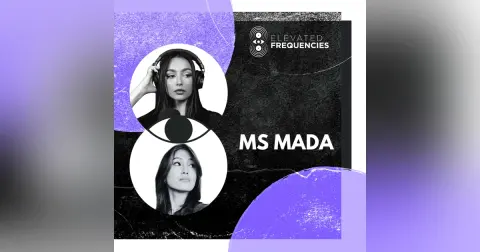
Want to know how to read and control any room, no matter how diverse the crowd? Ms. Mada's unique perspective as both booking operations manager and resident DJ at Space Miami offers insights that most artists never get access to.
From handling Miami's most eclectic crowds - mixing Space regulars with first-time tourists experiencing the legendary venue - to building her reputation as one of the industry's most respected selectors, Ms. Mada reveals what it really takes to move people through music. Her philosophy of immersive learning and strategic positioning proves that sometimes the best education comes from putting yourself directly in the environment you want to master.
Key Takeaways:
- How to read rooms with multiple audience types and expectations
- The psychology behind effective crowd control and energy management
- Why immersive learning beats online education every time
- Building credibility through proximity and consistent value
- Handling industry frustrations and difficult situations with grace
- The importance of understanding venue dynamics and crowd psychology
- How to balance artistic vision with crowd expectations
- Why working in the industry while building your career accelerates growth
- The art of selection: choosing tracks that move diverse audiences
- Building relationships that support long-term career development
Ready to level up your music career? Join my artist development program on Patreon for exclusive content and direct access to industry expertise: https://patreon.com/oliviamancuso
Stop trying to learn from your bedroom. Hit play now to discover why immersive learning could be the key to mastering your craft.
Connect with me: @oliviamancuso__
Video Editor/Audio Engineer: James Fixx
00:00 - The Journey of a DJ: Passion and Persistence
02:55 - Understanding the Business: Booking Operations and Insights
06:05 - Reading the Crowd: Balancing Freshness and Accessibility
08:58 - The Evolution of the Audience: New Generations and Their Tastes
11:47 - Building Relationships: The Importance of Networking
14:58 - Navigating the Industry: Immersive Learning and Proximity
17:58 - The Reality of Club Operations: Expectations vs. Reality
21:01 - The Role of Social Media: Connecting with Fans
23:50 - Mentorship and Growth: Supporting Emerging Artists
26:46 - Finding Your Path: The Importance of Immersion
29:43 - Closing Thoughts: Strategy Over Luck
0:47 Welcome to your weekly elevation, your dose of real strategies for real results in dance music. I'm Olivia and today's conversation is with someone who's mastered the art of reading rooms and building a career from the inside out. Miss Mata has a truly unique perspective on the industry. She spent years working in booking operations for the legendary Space Miami while simultaneously building her reputation as one of the most respected selectors in the scene and of course, one of my favorites. Her dual role has given insights that most artists never get. She understands both the business operations behind iconic venues and what it takes to move diverse crowds night after night.
1:28 What makes this conversation so valuable is Miss Matas philosophy on immersive learning and strategic positioning. If you want to succeed in a particular scene, you need to physically put yourself in that environment and find ways to contribute. Her approach to handling the inevitable frustrations of this industry with grace, combined with her incredible ear for talent, offers a master class in building credibility and expertise through proximity and persistence. Let's dive in. You're a resident at space, but you also do bookings. So when people outside of the music world ask you what you do for a living, how do you even describe it?
2:09 I'm a Jack of all trades, master of none. But essentially I tell them what my title is officially, which is I'm the director of booking operations. So essentially I handle the bookings after they've been confirmed, after the offer is said and done. I basically sign the contracts on the signatory. I also and the accounts payable and I oversee the logistics. And then from then on just streamlining information to the appropriate team members like to the artist liaison, stage managers, stuff like that. We have team leaders that we are in contact with leading up to the show. That's how things are handled and I oversee most of that.
2:52 I really didn't know that about you until I started doing some digging. So you're like in it. You're like in the full operation. That's right, yeah. I basically started in this industry backwards, like I think I was DJing, you know, like a little here and there. And my boss who I've been working with for 15 years, Davide, he asked me to be his assistant and that's when I got my feet into the booking side of things of the industry. That's amazing. And I want to talk to you a little bit more about the business side in a little bit. But one thing that I was thinking about when I was prepping for this is the fact that space is such a destination around the world. It is. It's known for what it is.
3:33 So considering the fact that you have people who are there for the first time and it's like the highlight of their trip, but then you also have people who are going to space every single weekend. How does that come into play when you're planning your sets knowing that there's these two? They're in like 2 different stratospheres almost. Well, I mean people that are there for the first time, I think it's the shock factor and like the elements of, you know, wow, I'm at space for the first time and you don't want to be disappointing when you're playing music, but you also there's a happy medium. I feel like you don't want to play the same sets every single weekend because you have the regulars. I think there's a happy medium of keeping your sets fresh and also just being creative in it's, it's a constant battle of the push and pull of like staying fresh with your music, but also not being too niche, I guess you would say. Just I guess keeping it accessible in this sort of way. And a lot of the music that's coming out right now, I think people that are learning about the the fresher sounds are John Summit fans, stuff like that.
4:46 And they're digging more into finding like Max Dean or Luke Dean and they're diving into Josh Baker, you know, you know, so I think avenues of like that kind of music opens people's minds to like the, the, the cooler stuff that I'm able to like play out like Sidney Charles, for example, like a super accessible. I don't mean it in a bad way, but his music is amazing. And that I feel like people that love commercial music really like, fuck with that kind of music too. Yeah, accessible is a really good way to put it because you do have this job where like, and I just talked about this Heroko too, you need to please the crowd, but you also it's your job to like introduce them to new things. Absolutely.
5:31 And it's like, how do you find that balance? Do you, are you also reacting in real time to like what how people are kind of acting out in the crowd? Are you taking? Are you taking that into consideration? Absolutely. I mean, yeah, you you get excited for a track that you think sounds amazing, and then you play it and it ends up being like, you know, nobody, like everybody's kind of like, oh, I see your point, but OK. Yeah. Like next one. Yeah. Because you want to have like, especially for the terrorists, which is a huge room. And you like having a good reaction where people are like, you know, excited for the crescendo and the drop and the tension. You don't want to keep playing tracks every track like that.
6:13 But I think a lot of the good music now, people kind of react to it the way that they do. I think that people are more open now and being accessible doesn't necessarily mean a bad thing. I think we we don't give the crowd enough credit. I think that now more than ever they're a little bit more educated. I feel I can play a lot more cooler stuff. Like right now I'm playing stuff from from these UK kids that are like 21 years old and like maybe 1000 followers on Instagram and every time I play their stuff it gets a great reaction. I do think people are in a certain headspace, going to space too, like I'm here to have the best time ever.
6:59 And so maybe there's something about, I don't know, just like putting yourself in that mindset that like makes you a little bit more open versus what they might experience in their own hometown or whatever. That's really interesting. So and you've been there 7-7 years? At school, I've been going to space, like as an attendee. Yeah. I've been going there since I was 18, yeah. And so I am with spy bar. Yeah, and I've been a resident at Space for nine years now. Wow, nine years. OK, yeah. And so you, you just said that people are a little bit more open now. Is that something that you've experienced kind of like over the past nine years? Yeah, absolutely. I mean, I guess our regulars, I've, I mean, you see the same regulars every week to week.
7:44 So they know the songs are ready. Yeah. It's really impressed me because the crowd kind of cycles through like it's, you know, like some people get older and they don't party anymore, but then the new generation, like kind of comes in. They find out space, they find out who Paz is and like, you know, that entire niche crowd comes in and they're excited for the music. They already know the tracks that like I had just gotten like a week ago, they already know what it is and they've been playing it on Spotify or whatever. It's it's interesting now with this new, not, I don't want to say new generation, but I guess this new cycle where they're a little bit more educated than I am and it's a little bit intimidating. But I love that because then it makes me strive to dig deeper and find fresher talent, which I have been doing.
8:34 I've been playing a lot of, like I said earlier, these kids from the UK and I'm trying to bring, I'm trying to book them and bring them to Miami. But their music is amazing and now they're getting picked up by the bigger players, I've noticed so. Cool. It furs as another example. I have been playing their promise for a while and then all of a sudden their music is getting played all over Ibiza and in the past two years. Wow. So, yeah, it's trying to stay ahead of the curve. But yeah, I think the crowd at space, like, especially if they're coming for their first time, they're going to have a great time no matter what. Maybe they're coming to see like Fisher, you know, But then they come to see the opener and they're play.
9:17 I hope they're pleasantly surprised. But a lot of the times I do get compliments if I am opening for that kind of talent where they're like, wow, I didn't think I would hear music like this. And you, you definitely want to strive for something like that. Yeah. It's interesting because you are in a unique position too, where I feel like at a place like space, you have more authority to be more experimental and to push boundaries versus a resident at a club that maybe gets a mix of a Top 40 crowd that can't, you know? And that's a different world we're talking about. But even like like Tao is an example, right? Tao books house DJ's, but also books like a lot of Big Room or Top 40. And sometimes they feel like they have to really toe this line because they've got the people there who might be on a bachelor party and have no idea what house music even is, so they really can't.
10:05 So you have like the opposite problem where it's like, OK, these are people who know their shit and that, like you said, kind of raises you to a higher standard. And I think that's got to be really rewarding when you have those moments where you're like, yes, I know, I just showed them something. Yeah, absolutely. Yeah, definitely feels that way. I mean, we don't get me wrong, we do get our crowds where, you know, they're there for the headliner and the headliner only only. And then as soon as they're finished playing, there's a mass exodus. So like, you know, it's it's it depends on the headliner. I'm not going to say any names, but you're hoping that either way, like once you get on that, even if people are leaving in the 15 minutes that they do stay, that that you make an impression of some kind that they're like, oh, wow, I really like this song.
10:52 Maybe I'll stay or maybe I'm going to, you know, take a get a Shazam and then I'll look at it later or I'm going to look up this resident, you know, whatever, but hoping to make an impact in some shape or form regardless of like what you're there for. Yeah. So, OK, so now your bookings roll. So you said you kind of got into it the reverse way. Yes. So talk to me about your journey to that and like, how did you even decide that that's also something you wanted to do in music? Ultimately, I mean, I got into it when he asked me to, when my boss asked me to be his assistant at 21, I was still in school, but not really passionate about that.
11:34 Obviously I was coming down to Miami like every other weekend and I was. Going to school for. I was going to school for health services administration at the time. I was going to UCF, University of Central Florida in Orlando. So driving down to Miami was, was expensive and task like taxing, especially like driving after like there used to be the club called the Electric Pickle. I used to go to the parties there at 5:00 AM on Sunday, Saturday, whatever, and then immediately drive back to Orlando to make it for class. Don't know how I did it, but I did. But at 21, Fast forward to 21 when I was more situated in Miami.
12:17 I think I at that point, I decided, OK, I'm just going to drop out because this is what I want to do. I think at that point where I said I told my mom, I was like, listen, my heart is not in school right now, but this is what I want to do. And she's like, well, you're not homeless, which is true. I wasn't homeless and I was paying my own bills. I was adult enough to take care of myself. She's like, OK, go for it. If this is what you want to do and you're passionate about it, then go for it. Wow. Yeah. That's amazing. Yeah, Most parents aren't. I don't like that. Yeah, I mean, I'm the youngest of three, so I think like after my older sister and my brother putting her in the ringer, I guess she's like, you know what, you're good.
12:59 You're not homeless. You're fine. Yeah, you could feed yourself. You that's. True. I remember my parents flipped their lid when they found out I was smoking weed. And then I came home from college and my 6 year old brother was smoking a joint in the garage. I'm like, are you kidding me right now? I was like, I got grounded for weeks. I think that's like the youngest child privilege is they're kind of just like, OK, yeah, yeah, I'm, I'm exhausted. So bad. It's like, yeah, yeah, I mean, I didn't really want to work in the back end of things of the office, but I feel like it was a it would be a valuable experience. I was like, OK, if this is part of, you know, me making it as a DJ or, you know, whatever, then all right, I'll, I'll open myself to it.
13:40 I did not think though, that it would like get me a breakthrough with a lot of these agents, a lot of these contacts, these artists and as well their managers in a way that just being a DJ would not be able to have that kind of access. Totally. So, So yeah, I didn't think, I, I don't think I really appreciate it until like maybe like a couple months in where I would just like talking to all these agents and then they know who I was, they know who I am on e-mail, they know me by name. And then I would see their rosters and be like, wow, these are people that I really look up to and they manage their careers. Like I could learn from these people.
14:21 So yeah, that solidified my decision and dropping out of college and just pursuing this full time. That's so smart. People always ask me like, oh, how do I break it? And I'm like, go volunteer. Just go make yourself useful somewhere and get to know the key players because proximity is so much more valuable than people realize. You're emailing with them, they recognize you, they see the same face, you know, every so often like that can take you so far. It's like the old school way of doing things. Everybody thinks now like, oh, I just got to get really big on social media. It's like, why don't you just go around like again, make yourself useful, do something or get a job on the back end and work your way up. I have another thing to add to that because it's like, you know how like these apps that have been showing up on my Instagram or it's like learning a new language is like immersive learning.
15:15 I feel like you definitely need to apply that in order to make it in this industry as an artist. Immersive learning in the same capacity where you're immersing yourself in the environment. Go to the club, meet the key players, as you said, meet the promoters, meet the people who are throwing the parties, meet the club owner, meet, you know, meet the residents, go early. Like meet people that are, you know, not that they're, they're there to help you, but people that you could learn from Totally, absolutely. Yeah, that's so smart. I can't tell you how many times an artist has sat here and like, given that advice. And it's just like it's better than any education you can pay for. You know, It really is.
15:58 And I know like when people like DM you, cold DM you for like questions, it's like they, I know, like in this day and age, you know, you order something and you get it delivered to you right away so that, you know, people are expecting that just by asking a question. No, it doesn't work that way. So it's so true. Yeah. I always say if you wanted something from someone, you should have thought of it six months ago, because it's like, that's how long it takes to kind of develop a relationship and trust with someone to get to report. Yeah. Report exactly. I don't know, I feel like in Miami it can be a little bit like because I lived there for a little while, I feel like maybe sometimes you can be on edge of like, what do you, Are you actually being nice to me or because you want something from me? I experience that much more there than I have have in other cities.
16:50 Yeah, I could definitely believe that. And I feel like that's definitely a defensive mechanism that is very appropriate for a place like Miami. I can feel that way. But I feel like if you find, I think you can identify like in any kind of city, any community, you can identify the people that are genuine and the people that are there for something. So yeah, I am sorry that happened to you. I mean, I think it's the industry too. It's anything. It's anything in entertainment, you know, you're you're going to run into that. So what's something about like running operations at space since you've seen the back end, you know how it goes on the crazy weekends, the Basel, the race week, whatever. What's something that people might not understand that you want them to understand?
17:37 Just because you ask for something doesn't mean that you'll get it. I mean, that's. True of life, yeah. That's true with anything, but I feel like there's so much entitlement with people saying like, you know, like, oh, but I come here every week. I'm like, okay, like, you know, this is the one time in the week that if you come here every week, then you need to understand that the busiest times of the year, you should be buying a ticket instead of asking for bigger favors or a bigger guest list or whatever, what have you. And I mean, they're never going to learn this. I mean, I feel like I complain about it. Me, my, my friends, we complain about it on social media all the times. Like don't ask for guest list. They still do like hey, the text, every single text with like multiple wise like hey God, but you know.
18:24 No shame. It's no shame. And like, yeah, we have to bring shame back. I always said we do need to bring shame back. Yeah. Yeah. I don't even want to go down. That's that will get me cancelled if I start talking about why I think that. Yeah. But we should because it's like, and it's also like, you know, what have you done for me lately? Like, what have you? Like, have you bought tickets? Have you supported? Have you gone to a show early or like done something that would signal that this is like, you know? Instead of just asking reciprocal. Yeah, yeah, it's really tough. Like for example, there's this one kid who comes really early. His name is Max. He comes from West Palm Beach, and he uses the Bright Line train to get there. And the train ends like around midnight. So he gets there early no matter what. But he gets there early because he enjoys the music. He's always the first one on the dance floor and half the time he stayed.
19:16 When he stays, he's usually like the last one there, too. And he said, like, every time he's there early for when I'm opening to, like, the bartenders and like the furniture, he's there in the dance floor just, like by himself dancing. And, you know, like, when the club is filling up, it's usually like a middle school dance where people are kind of like surrounding the dance floor, but it's just him dancing there. And that's how I got to meet him. And I told him, like, dude, like, you've been buying tickets and coming early for a really long time. Like, please let ask me for a guest list. And I got you. Yeah. And he finally asked me for a guest list after, like, maybe a couple months of, like, ask telling him, like, dude, like, I don't want to keep finding you in the middle of the dance floor. Like like thank you, but please let me treat you. It's cute because he probably like worked up the nerve to finally ask, and it's really amazing when you meet people like that because you know they're genuinely in the scene for the right reasons and he just wants to have a good time. That's nice that you reached out to him. Yeah, he's a fan.
20:09 He knows the bartenders. The bartenders know him. They love him. You know, like people like that, you know, many more patrons like that for sure. And he buys it. Like, sometimes I'll tell him like, oh, like I bought the ticket months ago, you know, like he buys tickets really early. Yeah. Yeah, That's a true fan, right? There. Yeah. That's amazing. We need more Maxes. Yeah. Or I'm sure there's plenty of them. We just don't know their stories. Absolutely. Yeah. I love that. So is there anything about like understanding the business side, being in it for that long now that has like changed or helped your perspective as an artist? I think, well, now it's way more accessible. I think before it was kind of weird to be able to follow your favorite artist and like be able to interact with them because a lot of the times, like you, you follow your favorite artists, they don't follow you back.
20:59 They don't, you know, like they don't really interact with your your interactions to them. But now with these, with social media, the way that it is now, it's the the, the relationships that you can develop with your favorite artists. I know it's parasocial, but it can also be, you know, rewarding. I think having that, the avenue of being in touch with your fans is really dope. It back then when I was playing 15 years ago, we didn't have that. I mean, Instagram was kind of like kind of new, yeah. You're everybody was posting pictures of like their food. You know, like I missed that, yeah. Yeah, me too. Like 12 filters on it, yeah. For no reason. Is that? Yeah.
21:40 And now it's a marketing strategy the way that it is now. It's a completely different animal. And I think people need to to be smart about it. Essentially, that's the Yeah, it's. One tool in the toolbox. You know, it's crazy because, like, I started my podcast in June of 2023 and I was just virtual for a while until I opened this space and Kai William and I connected. And when he told me he was playing with he or yeah, he was on the same show as you in Brooklyn, I was like, Oh my God, I've wanted her to be on my podcast forever, but I didn't. I like waited, you know? Because like it was like, I'm not going to just be weird and like approach you and be like, come on my podcast, you know, so. I would have said yes though.
22:22 I know that's so sweet, but like, but I didn't do like it was just as like, it's good to meet people in person. Absolutely. And then you follow up online like you can't just like you were talking about like we, we want things now we have this Amazon 2 day delivery mindset. Like I had to wait too and be like, let's like see. Because like, like I knew you, you know, since I'm close with Kai, like there's proximity there. I feel like people just think that because they can message their favorite artists, they should. It's like just know that you're probably 1 of hundreds and also like that's a real person. That's a lot of restraint, yeah. Yeah, no, it is. But you know, you wait, you wait till the I'm. I'm like a big believer in like, timing is everything and like, patience, you know?
23:07 But yeah, I mean, I'm sure you get like hundreds of messages a day and you can't respond to like, everybody. Right. Yeah, absolutely. You can't respond to anybody. And also I do, I mean, it happens in like after I'm done with the set too, where I come like people come up, come up to me, they're like, hey, I really liked your set. And then they pull me to the side and they start going off on like, you know, their business plan and stuff like that. I'm like. Oh my God. Yeah, I'm like, oh man, it was really nice to meet you a minute ago. Not anymore. Yeah, that's crazy. But I mean, I mean, you know, like, it is what it is industry, networking people think that like, oh, this is my shot and OK, you know, like let them learn that this is not the way to do it. Or the way that I met you through Kai, though, was, you know, that proximity because I really admire Kai and he's a friend.
23:55 I would have been. I would. I am more open to for sure. Yeah. To that connection, of course, Yeah. But I've been around long enough too. It's like you read the room. You don't do those things absolutely, you know. Exactly. Don't go over like, hey, we should do this, this and this, going over business plan and then like in marketing plan, strategy, whatever. Like in behind the booth where the music is super loud. Yeah, totally. Yeah, well, I hate when it happens like when it's down in the DM too and they're just like someone will like DM me and list out like their whole idea and I'm like just blew your load way too early. Like, I don't like that's too much like you need to take, but they're going down a completely different path. But yeah, I mean, I think, I think it's really tough for an artist to to be able to manage that 'cause you also don't want to be accused of like, not being nice or whatever or like it, like the onus is on you.
24:43 I see it all the time. We, you and I have chit chatted about just Twitter and bullshit that comes with it and like, people think they're so entitled to artists or whatever and then you've got the whole burner thing right? It doesn't seem like you're the biggest fan of them either. Is this going? To get me handled I. The burners like how did we give them so much power in the 1st? Place listen, they they are huge fans, but I think this whole tribalism when it comes to like artists especially is kind of weird. I think tribalism in general is kind of weird. It's a good, good term for. It and yeah, that's essentially what it's come to because you see like these Twitter fights and it's like you guys you could not even involved why are you standing for these people Yeah like for what? Yeah, you know I got caught in the crosshairs, right? Yeah, I'm.
25:34 Pretty sure you have. I don't think I saw it though. The one, Well, because he deleted it when I was so, like, I was like, in tears. I was like, everybody's so nice. They were coming to my defense. So, like, don't loop Olivia in with this. Like, why are you? I think what the problem is. How old are you? I'm 3535. OK. I'm 33. I think they're just young. Yeah. And they're new to the genre. And so they're excited. And I think they'll look back at this five years from now and be really embarrassed about the tribalism and everything that they're. Absolutely. I think like there have been times where I listen, I'm guilty of it too. Like when Facebook was a thing and luckily I was able to delete most of that. But honestly, it's not all of them that are young. I know some of them are a little bit like, you know, closer to the 30s side, but they are brand new to this scene and they are huge fans of it that they're almost too protective of it in a way that's like that comes across as tribalism. And I, yeah, I think people should go outside and touch some grass, you know, like it's not, it's not that serious. 100% And like the the other thing that blows my mind is like the other day everyone was talking about like their top five favorite artists and it's like 5 artists that came out like like that have just gotten popular.
26:44 It's like I still think about my top five favorite. Like I think about it all the time and I don't know, I don't know because it's too hard. Yeah, you know what I mean? Like and that's it's also something I keep close to chest. I'm like, I don't know, like that's a really hard thing to decide if you're a true music lover. Yeah, I know. And I saw those things too. And I saw like, OK, that's cool. Like this is somebody that's getting to know the music that's blowing up now and like later on, they're gonna dive deeper. That's that's a win for everybody. As if if they're fans, you know? But then I saw like the comments against it, like, Oh yeah, that's so commercial. It's like, Oh my God, here we go again. I know you can't. It's just, it's just a circle jerk it. Is a circle jerk. Yeah, like, you know, it's, I mean, I need to get rid of Twitter, but it's too addicting.
27:27 I know. I know I still like to observe the drama once in a while. OK, so you're here with Loco Dice and I know you have a show tonight. Well, by the time this comes out of already happened, but you've you've said Loco Dice has been like a mentor to you in the industry. It's a pretty amazing mentor to have. How? How did that happen? I think it was when my boiler room came out. I believe his manager showed him my my bowler room and then he kind of took me under his wing. He started having me requesting me for like his shows in South America, in New York and Miami. I mean, every Miami show I'm opening. It's amazing so.
28:09 Yeah. And we developed this like rapport in this, like, relationship where it was just kind of like, you know, like, yeah, he wants to build me up, which is really cool because when I was like 18 and I saw him at space for the first time, that was the day that I was like, hey, I want to play this club one day. I never thought I would be a resident. So it's kind of like full circle almost. And. Yeah. Yeah. And to this day, he he's such a believer in like newer talent. I think he brought up so many people. So the fact that he brought me under his wing is like a huge honor for me. That's incredible. Yeah. I think that's like every like younger, newer artists dream is they aspire to have someone and I'm sure you're that person for somebody. Too.
28:53 That means I'm old. But no, you've. Been doing this for a while, no, but I, I, yeah. And I'm really humbled for that as well to be able to have the capacity in which to prop up like the next generation the. UK you're talking about? What are their names? Foynes is one of them. OK Watchers is another one, but I think they're a little bit more prominent now, but they're they're coming up. But Foynes is definitely like at the top of my list right now to bring and I'm actually going to see them in Ibiza. I met them for the first time in Tulum when I played Ants in Tulum, but I forget the venue name. That's quite, it's so rewarding to have to watch someone you believe in like keep leveling up their life and doing better. I have a couple of like students that I mentor on like the business side of things.
29:41 And there's one in Long Island. His name is Frankie. And like to see this kid just go after like trying new things, creating his own shows, whatever. Like I get so excited for him. And I think that's like one of the best parts of of this industry is, is being able to see your peers succeed and absolutely. Yeah, yeah. If you are really truly like in it, for the love of the music, you want to see everyone around you succeed. Not beat somebody to like the top ten list, whatever. And yeah, like that's I'm actually doing that in Miami too with the the local scene there. Slug is one of my friends now. He's a really close friend now and to see him getting booked an Ibiza like by himself and, you know, doing all these shows all over the US, you know, like I, I met him for the first time when I booked him for my first mother fucker show. And we clicked in a way that you don't find many connections like that.
30:38 So I definitely want a proper like artist who I admire, who are talented, but also I know that are friends. Yeah, you know. Yeah, I love that name. By the way. How the fuck is that's so good? It's so. Good. The, the, the funny way that that came about. So 3 points has their inaugural like 3 joints during 420 every year. And when you're booked for those parties, they ask you to come up with an alter ego. So I came up with motherfucker. It was just as like natural. And then when I was asked to do this party one Basel, December 2022, it was kind of just thrown in my lap.
31:20 My boss is like, hey, build up a line up and you know what it it's going to be during music on, so it's going to be in the side stage and just call it something. And then it was just like, all right, let me call it motherfuckers. It's just like right there in my face. So cool. It's so good. It works so well. All right, so last question for you. Miami is your home base and there's a lot of DJs like Heroku just who just came on here was like, you know, I had to get out of my hometown to actually make it big. But there's no one right way to success. There's no one one path. Talk to me about how kind of being rooted in your home base has worked for you, and what's your advice for artists who are trying to figure out how they should approach their career well?
32:06 I mean, I got really lucky being in Miami is, I mean, it's an international hub. So especially playing at places in anywhere in Miami, you are exposed to the European crowds when they're in town, you're exposed to the South American crowds when they're in town. So I feel that to be truly able to find a way, a pathway to success is just immersion. If you want to play a club in Ibiza, go to Ibiza, go see how the parties are there. Look at who's playing all the parties that you want to play at and start following them. Start listening to their music, see who they are signing to, their labels if they have one, or the music that they're playing. I mean, you can also probably reach out to them. If you're making music, you probably want to send it to them so that they're playing it out there. But I feel like the best way to put your foot, your best foot forward is to just immerse yourself. Just being present and meeting the the people, the right people.
33:10 Yeah. You know it's. The simplest things. Yeah, I know. Especially like, I mean Music Week where everyone is in town is like one of the perfect times to to I guess if you can't make it to Abusa because it's too expensive, OK, fine. But figure out where to be at the most prominent times of the year where you're able to travel regionally. So that can be Fashion Week in New York. You know, there's a lot of artists that aren't down playing or in Miami during Music Week, even during Basel LA when they're in festival seasons during day trip, there's a lot of people in town every other week. Great advice, thank you. Thank you for having me.
33:55 That is your weekly elevation. What I admire most about Miss Mata's approach is how she's turned proximity into expertise. By positioning herself at the heart of Miami scene, she's developed skills and insights that you simply can't get from watching YouTube videos or reading about the industry online. Her philosophy of immersive learning is particularly powerful in an era where everyone's trying to build careers from their bedroom. Sometimes the fastest path to success is just putting yourself exactly where you want to be, even if that means starting from the bottom. The education you get from just being in a room is irreplaceable and unmatched. Remember, success in dance music isn't about luck, it's about strategy. I'll talk to you next week.