The 10-Year Rule: Why Mary Droppinz Says You Can't Quit Before Then | EF EP 96


 Spotify

 YouTube

 Apple Podcasts
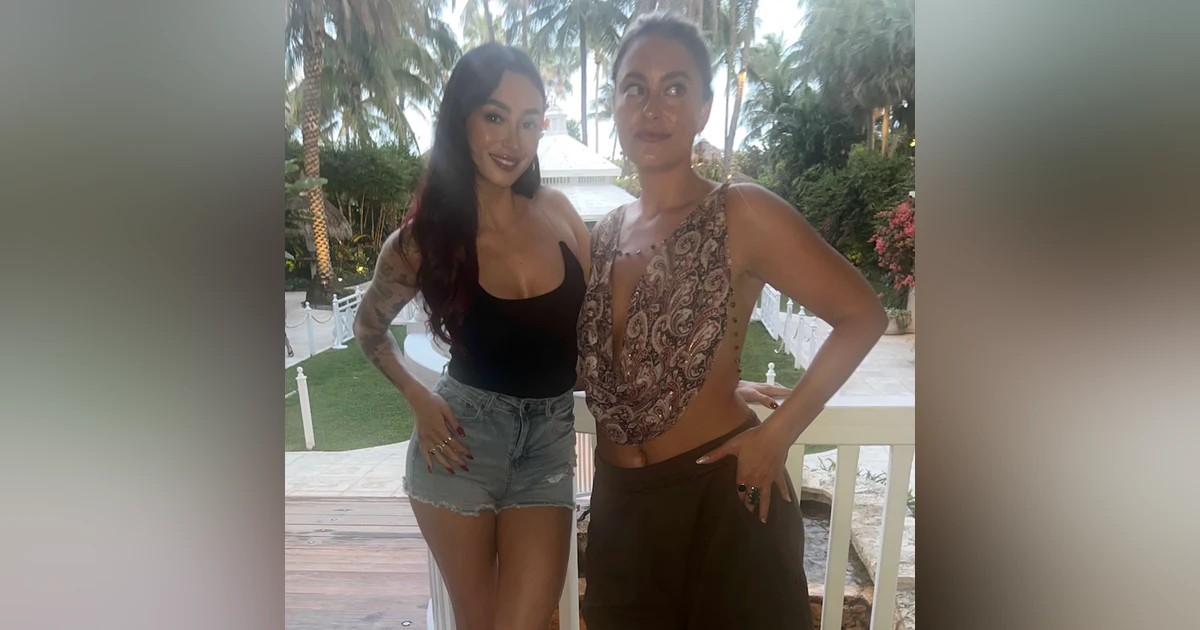
In an era obsessed with overnight success, Mary Droppinz offers a radical perspective: give yourself at least 10 years in this industry before you even consider throwing in the towel. This conversation is a wake-up call for anyone looking for shortcuts in dance music.
From her recent move to Miami to her journey of staying true to her musical vision despite industry pressure to conform, Mary breaks down why persistence might be the most underrated skill in an artist's toolkit. Her insights on building a sustainable career through consistent action rather than viral moments offer a refreshing counterpoint to today's quick-win culture.
Key Takeaways:
- Why the 10-year timeline is essential for building a lasting career
- How to stay true to your sound when others suggest you change
- The reality of relocating to a new music scene and building from scratch
- Practical approaches to social media that don't compromise your vision
- The importance of community in sustaining your motivation
- How to weather creative droughts and rejection
- Building habits that support long-term growth
- The competitive advantage of playing the long game when others quit
Ready to level up your music career? Join my artist development program on Patreon for exclusive content and direct access to industry expertise: https://patreon.com/oliviamancuso
Follow Mary's journey: @marydroppinz
Stop looking for shortcuts. Hit play now to learn why the marathon mindset might be your greatest competitive advantage.
Connect with me: @oliviamancuso__
Video Editor/Audio Engineer: James Fixx
00:00 - The Long Game in Dance Music
01:36 - Marketing Background and Its Impact
04:34 - Authenticity in Marketing
07:21 - The Importance of Personal Style
10:01 - Balancing Artistic Exploration and Branding
12:25 - Navigating Pressure to Pick a Lane
14:13 - The 10-Year Commitment
19:44 - Breaking Through Plateaus
0:00 People can't say like, oh, you're just an industry plant or you, you just got this because you're hot or whatever people would say on the Internet. Don't come up with anything. I know it's. Like, no, I've I've put in 10 years of work and dedication into it and I'm really proud of it. Welcome to your weekly ELEVATION, your dose of real strategies for real results in dance music. I'm Olivia, and today's guest has a timeline that might shock you. 10 years.
0:48 That's how long Mary Dropins believes you need to give yourself in this industry before you can even consider throwing in the towel. In an era of overnight success stories and viral moments, Mary's perspective is almost radical. I would say she's built her career on the long game, systematically showing up, developing her craft, and creating a body of work that stands the test of time rather than chasing quick wins. While most artists are looking for shortcuts, she's embracing the marathon. What makes this conversation so valuable is how Mary breaks down the psychology of persistence in an industry honestly designed to break you. From handling rejection to weathering creative droughts to building sustainable habits, she offers a master class and playing the long game while everyone else is sprinting.
1:34 Let's dive in. This is your first Miami Music Week as a Miami resident. As of like 2 weeks ago. A month ago. Yeah, basically two weeks ago because I've been on tour. How does that feel? It feels great. I mean, just getting to like come out and just move rid of the spots or drive. It's amazing, you know? Have you done Miami Music Week prior? Like as an artist or as a, you know, as a fan. Yes, I've done my me and Miami Music Week twice now. The first time that I did it was actually when I worked for Native Instruments. I was a marketing manager there and I came out and I had a whole booth going and like your demos and was at the more of the winter Music conference part of it.
2:15 And then I went, I came two years ago as an artist and was performing around town playing at different parties and I went stopped by culture. I saw some friends play and yeah, he's like, he's super fun. That's so cool. So I was going to ask you about your marketing background. I'm super interested in that because that has to have helped you build a brand as an artist. So what were you doing specifically in marketing before? I was in like advertising at first. I started there as an intern and I came out and got a job in LA. Originally I'm working at TBWA Shia Day, so I was working with different brands like Johnson and Johnson and big corporations and stuff like brands OK California Lottery I worked on were still like just all these different brands and I was making the commercials for them and helping out with the team.
3:09 And that's where I really started. And then I started working on more social media for other brands as well, and then ended up actually working with Desert Hearts, which is awesome. Yeah, I was working on their social media. And so that was kind of like where everything was going. And then Native Instruments, that's where I was the marketing manager. So I would teach classes on the gear. I would build up gear to give out to artists. And I was kind of like the liaison for it. And I also helped buildsounds.com, which is like a spice. So it has a bunch of samples and leaps and everything on there. So yeah, it was a lot of cool experience and I was happy to pivot kind of like my marketing skills and advertising over to the music industry when I worked for Native 'cause that's I was DJ ING that whole time.
4:01 But it was like making that move. I was able to meet a lot of people. Yeah, yeah, it's funny, 'cause like most artists do that in reverse, they become an artist and then they're like, shit, I need to learn how to market myself. But you got to start with this foundation of having a strong marketing background. So that's probably one of the biggest gripes from my audience, like is like, how do I market myself? I don't want to market myself. This is too difficult. So what in your opinion, with your strong background are like the marketing fundamentals that DJs are just getting wrong these days? I, I think really authenticity is like it's very much shows through and I think a lot of people get caught up on doing certain like trends that are on TikTok or just consistent posting. Even if it doesn't have to do with DJ stuff, I still think it's really nice to be authentic to what you're doing on there. And like, you know, it's good to tie in some other things about you that you enjoy, but you don't have to like, overdo it or yeah, try to do something.
5:04 I think it's just like, keep it simple. Like, you know, share some things, like what we're doing now, we're talking out of podcasts. Like being able to share. This is helpful for me because I don't necessarily love to get on my social media and rant all day. Like I'm more like sound and just like sharing kind of like my life and inspiring people is what I'm into. And so, yeah, just like kind of keeping it simple and just being authentic to you is I think, the best thing you can do. Yeah, I think the biggest struggle that I hear from artists is like, I don't know what to post in between tracks being released and show announcements. And So what you were talking about, like sharing parts of your personal life, there is a way to weave that into your identity as an artist.
5:50 And that is how you fill the gap. Yeah. You know. Yeah, exactly. Like I love health and fitness and, and biohacking and all of that. And so I I like to do rebounding. So I jump on a trampoline and I was I just posted a video of me and jumping on my rebounder like to my music that I just dropped. So it's just like that's I would listen to this while I'm rerounding. I made this for that like I hope DD2 and then other people were like, where did you get the refounder? And now they're inspired and want to like. Things about that, by the way. Yeah, like totally resets your nervousness. So when you do it like after I got off, I was like, I just feel amazing. Yeah, I want to do 5 minutes of it, OK. Because we have neighbors below us so I don't know if they would like that but only 5 minutes I feel like they can handle oh. It's totally, yeah.
6:35 See, it's like a trampoline, right? Like a little. And it has a handle. Yeah, handle just. To help. OK, cool. It's just nice to like lift your body and let it kind of fly in there. It's definitely had a just jump rope beat. Right, right, right. So it's it's more like resetting the system is why I like to do it. Not unless of like trying to get fit or yeah. OK. I think you influenced me because I've been looking into that. Yeah, OK. And I don't know if you remember this or put two and two together, but I made a lengthy post a couple weeks ago on Instagram about why DJs should care about their personal style. And, and it made a lot of people mad. And someone tagged you and said, like, Mary Dropins has amazing style and she's an amazing DJ.
7:15 Like two things can be true at once. And you said I can teach you how to DJ, but I can't teach you swag. And I was like, thank you for like chiming in because I was getting dragged in those comments. And like what, in your opinion, why are artists so sensi about this topic? I love that that you posted that. Putting that together. That was fire. I actually always thought that and always felt that myself because when I first started DJ ING, I was up there and it felt like I wanted to create a whole experience and an energy, not just be the iPod in the corner, right? It's like I'm creating an energy and experience and something that people want to be a part of and do themselves.
7:58 And like if I'm out there, you know, dressing up and cool outfits, they're fitting like what the vibe of the party is, then other people will feel like the freedom to do so as well. And it just kind of kind of attract that type of energy of the party, which I think, you know, dressing cute and like having style is such a beautiful art and way to express yourself in this life. And so it's like. Couldn't agree more. Just goes hand in hand with the music, I think. I mean, think about like in fashion shows when they have like DJs when they're doing walking and I don't know, I just never forget ADJ when they have something tied to them that like you can remember visually, right besides. Sonically, right, it's another just art form to express yourself.
8:44 And I think, like, something that I always think about is I love to do random crafts because I feel like it unlocks a part of my brain when I'm, like, making dried Moss art, like, whatever it is, you know, just because it helps me as an artist in general, like, as a creative. Yeah. So I feel like people who are so shut out to it, it's like, just try it because it might give you ideas in your music. Like, you never know. Yeah. 100% I mean and even the minimal style, if they just wear all black, that's still their expression of coming that they stick to. It doesn't have to be like a big ol pattern and everything going like dress to the nines or wearing Gucci or something. Like you can just just like express yourself for your outfit. I think it's really cool.
9:25 And especially with music, like I like to see how that person expresses their sound because I connect to their music too. Like most of the times when I like someone's music, I'll look at like their Instagram or something and I'm like, oh, their fits are fire too. Like I just. Absolutely love it. Makes you connect with someone more. No, I did like when someone tagged you, I was so excited about that was like, that's a perfect example. Do you feel like it's helped you too in your career? Just like have us having a stronger visual identity, like your fans connecting with you and maybe even potentially getting you more opportunities. I think it makes me stand out for sure. I mean I I've been dressing like you having style my whole life.
10:08 I got voted best style in high school. So then that girl I just like, I feel like it's always been something that's been attractive to like my identity and and I love it. Like I just, I know when something's like pretty or hot or like I just like to, I like to mix and match. And that's what I do with my music too. Like I listen to sounds. I know what sounds good and I and I love to mix and match and create the F of like the mix so you. So I'm glad you brought that up because like we're talking about marketing and like how to create a personal brand, but traditional marketing advice is like pick a niche, pick a niche. And I feel like you are all over the board with your genre selection. So how do you balance that like artistic exploration with also building a strong personal brand? Yeah, I, I just felt like out the gate, as long as I'm just being true to me and staying there, like if the people want to keep coming through, they can. It's I'm not going to try to do something in the hopes that that I can keep people around.
11:15 It's not about that for me with art. Like I used to work in companies and had bosses, like, this is my time to be me and my freedom. So I'm not going to put that stress on me to, like, conform so that I make everyone else happy, you know? Yeah. In life, we often want to make everybody happy. So like with this and this in my heart, I'm not going to put those limitations on me. And that's what's been cool is because, like, it's been well received. And a lot of the people that have watched me DJ 10 years ago, they're still here. Yeah. And I played totally different music than I did 10 years ago. And so and they, some of them like they didn't even think they would like the music that I'm playing, but because they saw it through me and in my expression now they.
11:58 Love it. That's such an amazing thing to be able to take someone like on a side quest and they stick with you. Yeah, that's really, that's amazing. I love. I love that. So what would you tell the artists who are is the lion's share of this audience who who listen and watch the show are artists who, you know, have got had some success or they're just starting out and they're like trying to build a brand. What would you tell them if they feel pressured to pick Elaine? And is a good advice to pick Elaine in the beginning and then kind of branch out or or what's the right way? I don't think necessarily there is a right way. It's kind of like it's subjective to the way that you learn and stuff 'cause there's, you know, for me, like I wasn't the YouTube university style producer. I couldn't learn on YouTube.
12:44 I had to go get hands on one-on-one with a teacher and go to school for it. So that was just like the way that works for me. So like, you know, if playing one style sound works for you to kind of like understand and find your way, then that I would think that, you know, you should follow that. But if you're feeling the pressure and you're not feeling happy and excited about this because of this like pressure that's been put on, then I would say like, that's your answer right there to justify that pressure and go after what you desire and just flare yourself. Like being vulnerable is really special too. Yeah, so. Yeah, yeah.
13:25 If you feel resistant, it's probably not the right thing for you. Yeah, I got to go with what feels good, Yeah. Especially with like music and art and everything. Like I, I do feel bad for a lot of like I have all the homies like that play on all different levels, local and just starting out. And it does like it breaks my heart when people are getting so impatient about where they're at or what they need to be doing to get to where it's like, this is supposed to be fun. Like just enjoy the way of like of growing and finding yourself through your art. So you said, did you say something about like, you need to give yourself A10 year timeline to see if this works? I was like, damn, 10 years.
14:05 OK, yeah, that's So you really believe that? Like you believe that an artist should try this out for 10 years and then if it doesn't work, OK, maybe it's not for you. Yeah, I, I, that's the fair amount to really find yourself. I'm. Yeah. I've been sharing my last 10 years of my artist journey the whole way. Yeah. And if I look back at when I first started, like I'm like, Oh my gosh, like, did I know what I was doing? You know, And now I'm in like I'm, I have about a bit more confidence in what I'm doing, but I'm also like, wow, I can't wait to see in like 4 years where I'm at is like even a producer now because I started as a DJ, right? And you can continually keep learning.
14:46 That's what's really cool. Like I don't know anybody who is full on master at Ableton. I there are a lot of DJs that have full on mastered the art of DJ and but I just feel like there's always something new you can learn in spring. So I just feel like that sets people's expectations to not be so like I didn't get this show within my first three years of playing because this isn't like a regular career where you just start at the bottom and you have a straight trajectory up and you're just getting promoted and then you're the CEO. It's this is like there is to like ace 1% chance you can make it. The thought this is very this is a niche thing. Yeah, yeah.
15:29 The but The thing is, is like if you, if you stick to it, it'll be amazing. Like I, I'm not a DJ, but with my, you know, starting my podcast, it is amazing where I'm at this Miami Music Week and all the things I'm doing versus last year. And it's just being consistent. And so that's kind of like what you were talking about. You've got to give yourself, yourself 10 years of consistency and you will be amazed at, like, what you can build year after year. And things that seemed like too big of mountains to climb. It's like, yeah, I can do that in my sleep now. Yeah, exactly. And like, if you get to that point where you've been doing it for 10 years and you can't make a living off of it solely and you have to have another job, but you still want to play, like that's epic, you know, keep going.
16:16 It's like, yeah, get married to the music, be in it for life. Like, yeah, sign in, do it. But if if by those 10 years you're popping off and you're on cool podcast as cool people and having a great time, like you're going to feel like, yeah, I really put in that work and time and that people can't say like, oh, you're just an industry plant or you you just got this because you're hot or whatever people would say on the Internet. Don't come up with anything I. Know like, no, I put in 10 years of work and dedication and do it and I'm really proud of it. Yeah, as you should be. And it's crazy because people will just see the tip of the iceberg of you popping off and just assume it just happens like that. But they don't see the 10 years of consistency and hard work that goes into it.
17:01 Yeah. And so it's, it's easier to blame it on industry, plant looks, whatever, because that just makes them feel better about themselves. Yeah, of course. I mean, the Internet trolls, you know they're. I'm sure you deal with that, I'm sure. I mean, it's not been terrible, I'll be honest. Like I feel like I'm very blessed that I don't know how I got very, I mean, just the energy I'm putting out and receiving back. It's been really beautiful. The people that I've came across and experienced on the Internet so far. But I have seen a couple of the, there's a couple in there and it's kind of funny. It is. Well, it means you're doing something right. You can imagine commenting that on someone else like. I know, I know. They have to be so miserable.
17:43 Like I don't have that bone in my body to like, go that. Negative route. I mean, I've been around since the Myspace date and there was like a website called The Dirty that was literally a blog just educated to submitting anonymous pictures and having people comment on it. And I just feel like we've that was anonymous and now we've gotten so comfortable with just like trolling people out in the open, which is wild, but it is part of it. Like I think you do need to develop a very thick skin if you're going to be in the public eye and. Learn how to let. Those comments like just. Go. You know, I I've learned a lesson recently like. A couple of the. Pieces of content that I made have gone super viral, have gotten the attention of very important people in the industry. And I realize I'm like, oh shit, did I respond to any of these trolls?
18:30 So I better go delete that because that's like, that doesn't look professional. You know, you have to like literally learn to just let it go because you never know who's watching. And unfortunately, they can poke the bear. But if you respond, you're going to look like the asshole. Yeah, I just don't even pay any mind to it. Yeah, Sometimes if I would respond, it'd be something funny back because I just couldn't imagine. I I feel so good when I'm like, you know, on the phone with a friend, helping them out or like, yeah, if I come on and someone and gas them up, like I feel great after that. Yeah. I don't. I can't imagine living in a world where I want to tear someone down and expect to feel good of Yeah. I know, I know, I know a part of it. It's just a totally different mindset. So 10 years is a long time, but you're living proof you've you've done this for the artist listening, what is the motivation?
19:20 What gets you through the plateaus? Because not ten years is not all UPS. It's not all downs either. Sometimes it's just like coasting. And I feel like for me, coasting is worse than a down because a down motivates me. I'm like, alright, I'm going to do this. I'm going to get back up. I'm going to, I'm going to, you know, fuck this shit up. And the UPS feel good. But sometimes when I feel like I'm just like coasting, that's not good for me. So what's your advice for artists to like breakthrough those plateaus? Definitely, but for one, it all comes to like health and fitness and mindset and if you can, you know, work through things and make sure you're taking care of your body, your mind will be taken care of as well and having that grounding and like just that kind of like center to go back to.
20:02 It's all like that is the strength. I feel like really genuinely, I see, you know, there are. A lot of like artists notoriously known for just being rock star lifestyles, not sober, like totally going off the deep end. And I couldn't imagine how to keep going and pulled through them that is going on. But, you know, when I come home to myself and I take care of my body and focus inward and meditate and have my spiritual practices and everything like that is what helps me through every time I'm like at a point where I like, I don't know. And then on like being on a plateau. Part of it. If it's like that within like your career, I feel like maybe it's, it's cool to like do something crazy like move or yeah, you know, Right.
20:52 Yeah. So I just shake it up and see what new energy can open into your life like. So 'cause it's sometimes when you get hyper folks fixated on why this is plateau or why this is just going like this, then it's just going to keep running away from you. Yeah, I'll just direct the focus on the something else and like, throw yourself into something that you're uncomfortable with. I think it's the best thing you can do. It's the best advice, 100%. Doing something before you're ready, doing something that scares you. That's the best way to break out of it. Yeah. Yeah. Well, that's amazing advice to end on. Thank you so much for doing this. This has been awesome. Thanks for having me, it's so lovely to chat with you. That's your weekly elevation.
21:34 The 10 year timeline Mary laid out isn't just about patience. It's about reframing how we measure success in this industry. Those overnight sensations we all envy. Well, look closer. And you'll almost always find years of invisible work beneath the surface. This perspective is particularly powerful in 2025, when algorithms and attention spans push artists towards instant gratification. By committing to the decade Longview, you make decisions differently. You invest in skills rather than shortcuts. You build foundations instead of facades. You create work that compounds rather than disappears. Remember, success in dance music isn't about luck. It's about strategy.
22:18 I'll talk to you next week.