Stop Copying DJs: Layton Giordani & Parker Cohen on Creating Your Own Lane | EF EP 117

 Spotify

 YouTube

 Apple Podcasts
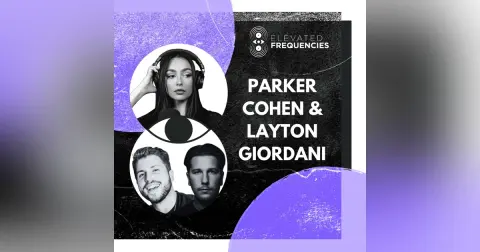
Think you need to follow someone else's blueprint to make it in dance music? This conversation with Layton Giordani and Parker Cohen, co-founder of Metatone, will completely change how you think about building a lasting career.
Fresh off his performance at ARC Music Festival, Layton rarely gives interviews - but he opened up about his journey from New York warehouse parties to global recognition. Alongside Parker Cohen, they reveal why the artists everyone wants to work with share one crucial trait: authenticity.
While most artists are trying to be the next John Summit or copy viral TikTok trends, Metatone has built their reputation by developing artists who stay true to themselves. Their approach? Treat artists like additional managers on their own projects and focus on entrepreneurial mindsets over follower counts.
Key Takeaways:
• How Output NYC's no-phone policy created the perfect training ground for real DJing skills
• The real reason behind launching MADMINDS label (hint: it's not just about release schedules)
• Why Parker looks for artists who can be "another manager on the project"
• How social media is a tool, not everything - and why authenticity beats algorithm chasing
• The psychology behind why people can "sniff out" fake artists immediately
• Why building your own path matters more than copying someone else's success
• How the European vs. American underground scenes shaped Layton's evolution
• The importance of learning to "warm up rooms" and create club chemistry
• Why timing and natural relationships lead to the best career opportunities
The Bottom Line: Stop trying to be the next someone else. The most successful artists in dance music today got there by being authentically themselves and treating their career like a business. Your path is your own - embrace it.
THE LINK - Chicago Music Nexus Pre-Party is LIVE!
Join us on November 21st, 10 PM - 2 AM at Loft 22 for the official CMN pre-party. Network with fellow attendees, panelists, and Chicago's music community before the main event.
DJ CONTEST: Submit your 20-30 minute mix by October 6th for a chance to win the opening slot, free CMN 2026 ticket, and more! Send mix + bio + tracklist to hello@chicagomusicnexus.com
Tickets: fourvenues.com/chicago-music-nexus-the-link
CMN Main Event: chicagomusicnexus.com
Connect with me: @oliviamancuso__
Video Editor/Audio Engineer: James Fixx
00:00 - Finding Your Own Path in Music
01:17 - The Journey of Leighton Giordani
02:56 - The Importance of Club Experience
05:03 - Meeting Adam Bayer and Drum Code
07:10 - The Role of Management in Artist Development
09:56 - The Evolution of the Dance Music Scene
13:09 - Navigating the Business Side of Music
17:00 - The Double-Edged Sword of Social Media
20:29 - Authenticity in the Music Industry
23:04 - Launching a Record Label
27:33 - Final Advice for Aspiring Artists
0:00 You're on your own path. Everyone's on their own path. Don't feel like you have to do these things or copy other people to find your way. You are in your own lane. You will write your own success. I wonder how top DJs actually built their careers. I had to do 15 years of hard work. To get any of the recognition that I wanted. Where I saw a. Turning point in my career is when I came true to myself. From marketing and mindset to networking and negotiation, I'm giving you the tools you need to build a lasting career in dance music. Give them bits of you and your everyday life. You have to change the way you view the word no. Like me, I'm encouraged by it. Join me, Olivia Mancuso and industry leaders as we reveal what it it really takes to turn your passion into profit.
0:46 This is elevated frequencies. Welcome to your weekly elevation, your dose of real strategies for real results in dance music. I'm Olivia, and today we are diving into what it takes to build a lasting career in dance music with two powerhouses who know exactly how it's done. Fresh off his performance at Ark Music Festival and The Afters, Leighton Giordani and his manager Parker Cohen from Meditone stopped by my studio and I am so grateful that they did. Yeah, I mean, ARC mainstage, I didn't know how big it was going to be.
1:51 And then when I got there, it was like, holy fucking shit. And then like going to play that huge show and then going to play like Serum, the small club play. It was sick because I got to play a big festival set and then like a small little club set. And for me, that's a that's what I want. That's like the best day that I can have to be able to do a festival set closeout, play dirty tech house for two hours and just ride out with your friends and get wasted last night. That's. That's a great time. Yeah, that's just what happened. And and I'm sure playing with Adam is special. It's always special with Adam. I mean like that's my mentor, that's my quote UN quote techno dad. So I mean he taught me everything and the chemistry that me and Adam have is like, it's just like we speak the same language. We don't even have to talk much and we just look at each other and we'll smile and be like, that's that was it. That's the move, you know.
2:42 Yeah, Yeah, that is really special. So I want to get into your journey and we can bring it back up to now. So you kind of cut your teeth playing at output, which I got to. I was so lucky to go there before it closed. Such a special place. What was that like? How did that shape who you are as an artist? Well, so Output was the only club that you could go to where there was a no phone policy. It was very European influenced where it was just strictly about the underground and the raver experience. And I think that's a very rare club to have in America in general. And I was very fortunate just to grow up in New York and be in the club scene. And yeah, that's where I learned pretty much everything. I mean, like, I learned how to warm up rooms. I got to play.
3:30 Some nights I had to play deep house when I was opening for John Digweed. Other nights I got to play techno when I was closing after, you know, drum code, Adam Bayer. And this is before I ever got signed or anything. And I think it's very important as a DJ, other than being just a producer, knowing how to control or not control, but like connect with the room and how to create a journey because you know, like you can learn how to play festivals and everything. But like playing a club is so important. That is like creating chemistry in a club is one of the most important things as a DJ that I cannot stress enough. Like knowing how to warm up and then go to that arc and then close out. Pun intended, yeah.
4:15 Just just the whole club journey and and the the pedigree of becoming a real like a real true DJ can only be taught playing many years at clubs and playing all different genres. I'm glad that you said that because a lot of the artists that I mentor when I asked them like, what is your goal? And they're like, play every festival mainstage. And I just think that that's first of all, skipping some steps. But what you just said, like playing those clubs and controlling those rooms is pivotal to the just experience of being an artist. So and yeah, you're right. Output. I remember going there and that was the first time that I had heard of like the no phones thing back in like when was it 2017 or something? And now everyone's kind of following suit in the States. So talk to me about meeting Adam Bayer and getting involved with Drum Code.
5:07 How did that happen? So there was this nightclub called Poch, New York City, and this was actually before output even existed. And I would go there because I had like some connections and I was able to play in the basement there. So I had a friend who knew Adam Bear. He was American as well. And my manager was friends with him. And he's like, he's like, are you a fan of Adam Bear? I was like, yes. He's like, do you have any new music? I was like, yes. And I was like, I got to go into the DJ booth when Adam was playing. He was playing like a 12 hour extended set. That's actually crazy. 12 hours. Yeah, that's. That's wild. How do you pee? Dehydrate yourself.
5:48 Yeah, I don't even. That's just crazy. Think about 12 hours set. Anyways, I was there for the full 12 hours and I had AUSB and my friend, his name's Tony Rohr. He's like, OK, he brought me to the booth. He's really close with Adam. Like he worked with drum code before. And he's like, OK, give me your usbi was like, OK. And he goes, He's like, wait, wait, no, you give him your USB taps at him on the shoulder. And I'm like, Oh my God, this first of all, this guy's a fucking giant. And I'm like as if like his, him, his aura being as big as he is just as a DJ and musician. I was like, this guy's the legend. And then of course he's like 10 foot tall. So it's just like everything's like amplified.
6:28 I'm like, this is my hero. And I got to give him Ausb. And I'm just like. Hello Sir, here's. My USB. And then Tony steps in and he's like, this is this is the kid I wanted to introduce to you. I really believe in him. Check out his music. And I give him the USB. And then actually Tony left like an hour after I stayed the whole night and Adam kept like turning around just like smiling at me or. And he would be like, oh, this is a new, this is a new track coming out on drum code and this. And I'm just like, Oh my God, this is the most yeah, this was the most like crazy experience ever. And anyways, give him the USB and then down the road, like he played all those tracks. I like these European festivals.
7:09 I was like watching YouTube live streams and I was just like, when I saw that I contacted him, I was like, hey, so can you sign me? Am I going to get signed? Didn't answer those emails for like months. And then he hit me back. He's like, please keep sending stuff. And I was like holy shit. OK. Then I just everyday I was blasting him with new music and eventually and he goes wow, I love all this stuff. He was playing all there's like 15 to 20 tracks he was playing and and like just was picking different ones for different sets because I was making all different genres. I didn't have like 1 particular sound. So you play tech house, you play this or more techno tracks and stuff like that. But so the, the cool part was I go, hey, man, like what, where do we stand? I was like, I really want to make this happen. Like, please, like give me an answer. Like let me know.
7:59 Like this is my dream. Let's do something. And he said, hey, let's, let's discuss it all finally. And then we hopped on a phone call. He called me. And then he goes, how do you feel about doing an album? I was like, what? I was like, what an album? He's like, you have too, too much good music and he's like, I don't we have to put it all out. I was like, OK, So what like what does this entail? What do we do? He's he's like, well, first thing is you need to introduce you to the label and put out one track. And I was like, OK, sick let's you. He was in full control. I had no idea what was going to happen.
8:40 I just made the music and I trust him wholeheartedly. And he's like, we're going to put this out first. And then another thing is you got to come to Europe. I was like, OK, I was like, I got to talk to mom about that, but we'll we'll get there when we get there. And then from there I was like, honestly, I don't think I can afford to come to Europe. He's like, no, he's like, we're going to, we're going to expense you because we're going to give you an advance so that you can come and live out here. And I was like, I was like, OK. I was like, yeah, I don't know, 2000. He's like, no, he's like, we got to give you like 10K for your, for an album advance just just to start with. And I was like, my mind was blown. And I was like, I told my mom this and she did not believe anything I was talking about.
9:21 She's like, you're not going to Europe. You got to finish college. You got to do this. You got to do that. I was like, no, you don't understand. He is the GOAT. Like this, this is the guy. If I ever had an opportunity in life, this is it. Please trust me. And I tried showing her all this stuff and yeah, she, she, she fell into it and she was like, okay, go do it. And I did it. And then I had the album come out. Did really well and I was touring all over Europe. History. That's an incredible story. I can't imagine what it feels like to have someone believe in you that much, especially someone you look up to. So Parker, talk to me about when you came into the picture with Leighton.
10:05 Yeah. So Leighton played one of our off the grid parties actually before we rebranded to Experts, only Orlando I think was the first one that Orlando block party. The one that showed up late too. Yes, yes, good little bit of foreshadowing. This kid likes to cut things the last minute. Yeah, but he he played direct support for John on that block party. And I didn't really know a ton about him, but was blown away by his that like you, you stood up there and just absolutely ripped it. And then, you know, we just got to talk in and we like went to an after party and just got along really well and kind of started our little relationship. And then he played a second party with us at Mirage, also showed up late.
10:59 I had ripped that as well. He's like, yeah. He's like, yeah, yeah, yeah. Yeah, yeah, yeah. That's amazing. Yeah. And then we just got to talk in and, you know, he he really wanted to break into North America a little bit more because of the time he was really, you know, dominant in in Europe, in South America actually. And, you know, at that point, America was really our bread and butter. It's really felt like we understood the scene. We're obviously making huge waves with John and yeah, we just, we got to talking and and it kind of happened very, very seamlessly.
11:42 Yeah, I, I think like, the key for me was like, from my perspective, the what? Like it, it's always about timing and stuff and the natural things happen and it's always for the best, like when it can happen that way. I was touring Europe a lot for years and like, I had lived out my craziest dreams, like playing Awakenings, seeing fireworks go across your head in a Dome and all this stuff. And I was like, I lived my dream, like my European dream, like I lived it to, to the most extent. And I was just like, I came to America, came back home and I got offered to play John's party at Orlando and you know, the one in New York. And I was just like, I saw John like mixing tons of techno, like my tracks and then also like, you know, playing house and stuff.
12:34 And I'm just like. And also like some dubstep and bass, like. Yeah. And. I'm just and I was just like holy shit, like and I was like, how old is he again? And he's like, he's like, oh, he's your age. And I was like, wait, this is so I didn't even know that. Like, you know, like the more slightly like underground, but also slightly more commercial, you know, sounds because me coming from Europe was strictly techno was making these waves in the US. And I was like, then I met the management and these guys in Parker and Holt and I was just like, wait, you guys are all the same age. I'm just used to working with guys that are like 1020 years older than me. And I'm just like, holy shit. I was like, I was like this, like.
13:15 Fun going on here. What's going on here? Yeah, I was like, I think I found my new family. Yeah, I think. The the the boundaries too of like you know the underground and I mean just even what is considered underground these days like those boundaries have gotten so blurred like those lines are non existent these. Days 100% and. I think that's probably what you. Know that's what I'm saying like foremost I had because like I love. Such an idea in your head of like, yeah, I. Had it in my. You had to be and like what the underground? What the? European standard was and like what it what it was at the moment, which now is completely new playing field. But like, I had this in my head where I was like, damn, I wish I could do like this and do this. And then I was doing these parties with John and I was like, he's literally doing this.
13:57 I was like, yeah. I was like. He fucking gets it. And I was like, and not only did he get it, he gets it. Holt gets it. Everybody just understood it. And I was like, we're all the same age and like, I just lived this amazing, you know, I call it life in Europe. And I'm just like, all right, let's I was like, I feel something here, right? And I, and I said it and he's like, yeah, we should, we should like chat it out. He's like, he's curious about my project. And I was curious about John. I didn't even know who John was until the 1st party You booked me. And I was just like, holy shit. When I got introduced to that whole world and, and, and the whole team, I was just like, OK, let's talk. Let's, you know, trade, you know, and yeah, we talked a few times and we're like, it just all fell into place and then.
14:44 Pretty seamlessly. It was so seamless. That's that's always since I've been, you know, working on the in the business side, just tracking you guys, finding out how old you all were blew my mind and it makes me so proud that I think how old are you? 303131 I'm 33. Are you 31 too? 2 just like millennials fucking crushing it first of all, right, right, like like being able to because I feel like, you know, we were the butt of like every like boomers joke for so long and to now see that like this is the crew like running things and and just it's so impressive how this roster that you have is so entrepreneurial and they're starting their own things and you guys are super into artist development and education. You're veering into that realm, but you also have this label that you just launched and your other artists, you know, obviously with the experts only festival and and so many things. So I want to talk about the label, but first, Parker, is that something that's kind of like a standard that you set at Meditone?
15:53 You're like, I want to work with artists who want to do more than just gigging. 100% I think the modern day artist really does have to have a grasp on the business side of things. Holt and I always say, like, we kind of need our artists to be like another manager on the project. That's really where you're going to get the best result. Because if they don't really have their head in all these other areas that you really do have to excel in these days to be a successful artist. If it's just about the music, which don't get me wrong, is insanely important, you know, it's obviously the most important thing. If you don't have good music, then, you know, you don't have anything. But I think, yeah, it's you really have to have a grasp on all these different facets that you that you need to be, you know, proficient in.
16:42 So definitely the entrepreneurial mindset is important. Yeah, I that scares a lot of younger artists too. And I like the biggest feedback I get when I make content is like, I don't want to do this. I just want to play music and that's it. And it's like, what fucking artist do you know that just plays music everyone is doing, even if it's not creating their own thing yet They're you're do, you're managing yourself for like you're booking all your travel. It's you guys don't just get to play music. No, I also think like people have this weird conception that like, that's how it used to be, but that's not the case. It used to be so much harder because like marketing was, it was done in so many different ways.
17:24 You know, you had like, radio was so much more important and actual print, you know, like magazine and Flyers. You had to be boots on the ground. Yeah, exactly like physical marketing material. Now you can post one fucking TikTok go viral and overnight, you know, like you're, you're somebody like that and people can complain about it at the same time. So it's like I obviously get all of the struggle that comes with it, you know, because there's a lot, it's very saturated and you have to figure out how to kind of, you know, break through the noise and and you know, kind of try to trail Trailblaze a little bit. But it's it's tough, but it's also never been easier at the same time, you know it is, it's 100% a double edged sword, but. It's all about how you choose to see it, though. Yeah, I'm in the same mindset.
18:10 It's never been easier. Yeah, you know. And I mean, you just said it, it is about mindset. Like it's all about mindset. If you have kind of a negative like, you know, way of thinking about it, then it's probably not going to go too well for you. So. It's tough though, because like, at the same time, like I, I still, I still sometimes find it difficult to, that this is the way, this is the way, the new way. Because I think it's, like I said, it's a double edged sword because I think it can, depending on the per person you are, it can, social media can encourage you as an artist or discourage you as a, as an artist. And I think that the most important thing to tell, you know, musicians or DJ as an artist is like, remember, this is an outlet. It's nobody's forcing it on you.
18:58 You don't have to do Tik Toks all the time. It's, it's an outlet. Everyone has the outlet. So like you will, you can, you know, be more successful if you use the outlet and find your, your niche within the outlet. But also, I would definitely want to stress the artist that like, you're on your own path. Everyone's on their own path. And, and don't feel like you have to do these things or copy other people to find your way. I think you just, you just have to remember that you are in your own lane and you can take your time and, and dive into it. You don't need to rush and post 1,000,000 tik toks and just for lack of a better, you know, sentence, just keep throwing shit at the wall hoping for something to stick. And, and just remember that you are in your own lane. Create create your own music, find your own way of doing things and it's another outlet it's. Have a good relationship with it. It's not everything.
19:57 It's very important, yes, but you can lose yourself in it too, because if you get too caught up in. You know, the likes and the comments and the engagement, Then you like end up basing, you know, then like mental health gets into the conversation as well. I've had this issue myself. Like I think the first video you saw of mine was probably the one I did on Experts only. Yeah, yeah. I. Think it was. Or drum code, I can't remember. Yeah, and sometimes I get so caught up in replicating that success of a video that I put off like actual money making things and more important things of like working on the business. And I'm like, I need to remember with the hierarchy here, what's most important. So you really can.
20:39 And then it can influence you to make music a certain way or act a certain way. And like you really have to treat it as an it's a tool. It's not everything. It's a tool that that is and he says that a lot and and I hear people say that and I appreciate that word so much because it is a tool. It is not the whole. It's not the end all be all, yeah. It's not the whole fucking, you know, shed, you know, it's just a tool. It can how you use that tool. It could take you very far or it could just give you a little bit of a push. But like, like I said before, you're on your own path and you're doing your your own thing. But there are other ways you can make a fucking hit record and put it in the right hands of the right guy and that could make your whole career, you know, so, so like you don't need to be a a TikTok DJ and you don't need to be, you know, or you don't need to be a person who's just focusing on the underground and the music.
21:32 You can be somewhere in the middle. I think the key is to look at all the tools, see what fits you the most. You know, you as a person, what who you are because, and you say this all the time and I and I've really grown into that. Nobody can be you. Yeah, The more you are yourself, the more authentic you are to yourself. That is your brand. People can sniff shit from a mile away too if you're being inauthentic, you guys. Probably get it worse than anyone. People are trying to be the next John, the next Leighton, the next Max Tyler Ranger. Like you guys probably get it more than anyone else. And it's like that's not what you're looking for.
22:13 You're looking and, and that's not what you're looking for when you're building out. Like when you're going to build out label shows, I'm sure like you're looking for people who are uniquely themselves. Yeah. I think people are afraid to do that though, because they're like, well, I've seen this work already, so let me just copy this. No, it's, I mean, yeah, I mean like there's some some success to that. Like if you do like emulate someone else's success to a small extent, but right, don't completely emulate it. Just see what triggered and like maybe what it was. Look, it inspired it. Yeah, yeah. And you figure out how to put your own, like, sauce. Exactly. Exactly. I mean, it's like it's almost the same thing with making music. Like, you use a track as a reference, but you're not, like, recreating the track. You're like, oh, I like the way this, you know, the hook.
22:56 Yeah. What do you like about this hook? It's it's bright, it's fun, it's quirky. So you. Make the movement on the baseline. Yeah, I tried. You know, like there's so many. Yeah, exactly. It's inspiration as we look at. It yeah, 100%. So tell me about the label. What? What was the inspiration behind that? Why did you decide that that was the next step in your career? It just fell into place. I mean, to be honest, I never thought like, it was never a huge goal for me to start my own record label. It was just more so like I got to the point where it was like I was releasing music on so many other labels and I wanted to, you know, when you sign records to other labels, you know, they own the record. It's their brand, it's their thing. And I was like, I make so much music nowadays that to be honest with you, release schedules was such a pain in the ass. People beg for me for certain tracks all the time. And then I'm like calling him, I'm like, hey, we need to like, what?
23:51 What's can we put this out? And it's like, this doesn't align. This doesn't align. And it's just like we need to take it. You have flexibility because like release schedules, you know, for a lot of labels are, you know, anywhere from three to six months, some even beyond that, you know, like 8 plus. And it's like if you have a track that you're playing and you know, you give to a couple other big DJs and they start playing and the new demand starts to build. You get a couple of 6 social media posts from it and you know, the demand is there. And then it's like, OK, we have to wait six months to put this out. And you kind of like timing is very important in today's day and age, especially with social media.
24:33 So I think, you know, from a business perspective, like not just talking about it being a creative outlet from a business perspective, a lot of it for us is to be able to strike while the iron's hot when we have a record that's like really bubbling and that, you know, is making waves. Yeah, But actually, to better answer your question, you know, you asked like, what made me start the label. I don't want to say like, I started it because of my release schedule, to be honest. That was like, that is a huge factor of me being from my own music. But like, the key thing I think was just like, timing. And I've released so much music on so many other labels. And I've had my first life in Europe where I enjoyed everything touring. And now I'm back in the States and it's like I had these new records I'm working on.
25:20 And I'm just like, Green Velvet says to me. He goes, hey, have you ever thought about starting your own label? And I was like, actually, yes, that would be so sick. And I was like, I feel like I'm ready to do this. And I just thought like how cool it would be to put on other acts and like, you know, assign other artists and, and just create a new narrative. Gives you a chance to pass along what Adam did for you. Yeah, it was. It's like it's super and actually this first time I ever saying this, but it feels very nostalgic to start my own label because it's giving me a chance of having that excitement of getting signed to record label and getting put on by someone that you might look up to or that you're a big fan of and living that excitement.
26:14 Because I I can still feel the feeling to this day of when I got signed to drum code and I know to. Be the one to give that to someone. Yeah, and, and that makes me super happy that I can just like meet guys and and girls and just like, hey, do you want to do release on my label? And, and I think that's really fun. And also I'm really interested in in creating a new narrative in music and blurring the lines of like genres. Like I'm a big house guy and I'm a big techno guy, but like I want to try and confuse and blur the lines even more and like break up this whole is this tech house? Is this techno, is this house? And just like. Yeah, yeah, yeah.
26:56 No, I've, I, I, it's really your group that has done that, that I give credit to for just. And I and it, it's just better because it, the genre snobs, like they are what they are, you know? And I understand why they are that way. But like, I mean, I love metal, you know, and I love jazz. Like if I wasn't at ARC this week and I'd be a jazz fest downtown. And so it's the same concept. It's just being able to bring in more groups, take them on a journey. And yeah, having your own platform can allow you to do that 100%. So before we wrap up from both of you, one piece of advice to leave with artists because hearing from you is very special.
27:37 I mean, you guys are like the gold standard for the States for who they'd want to work with. So what can you tell them? I, I said this in, in my, our IMS panel, but it, I mean, it really is, it's so true. I'm going to say it again, and we brought this up earlier, but just authenticity, it's so it's so important, like I said before, people can sniff it out a mile away when you're not being true to yourself. And even more so from the standpoint of trying to, you know, achieve some level of success. You need to be able to look yourself in the mirror at the end of the day, you know, and I think not enough people talk about that aspect of it as much as like, yes, of course, if you can figure out a way to like pave your own path, truly being you, that's going to give you the best chance of being successful, but also like it's going to be so much more fulfilling. You know, if you're trying to be somebody else and you're not being true to you, it's going to really suck laying your head down on the pillow at night and knowing that you're you're not being real.
28:46 Exactly. So I like, I truly think for any artists that are out there that have like super big goals and aspirations, I really feel like it's important to know that it probably will feel better to achieve a little bit of success being yourself then achieving insane access or success being somebody that you're not, you know? So it's yeah, it's, it's really important. I think authenticity is it's everything. I love that. Yeah, I don't know how I'm going to follow up with that. No, honestly, like, yeah, everything you said is so spot on. And I guess my advice would be from a producer, you know, slash business perspective is other other than the authenticity.
29:32 Just remember that you know you are you you you are on your own path. Don't get caught up on things that you think you necessarily have to do, but get caught up in what makes you you. I'm just echoing. Yeah, just like what lights a fire under your. Yeah, yeah. But just like the most important thing is like, just be authentic, make you sound like you. There's no harm in trying new things. And there is no, there's no one route to success there. There are multiple ways. And arguably you'll be way more successful going another path than following the same path of someone that had to hit that point because that was their path and that's why they got to that point. If you do your own thing and go your own way takes a couple tricks.
30:27 Use a couple tools, try some new things, experiment, you know, do what you got to do, enjoy it, but just remember you're on your own path and you will write your own success. It's amazing. Amen. Thank you guys for taking the time out of this course. Busy weekend, especially after The Afters last night. I really appreciate it. Of course, thank you for having us. I. Appreciate it. Level of strategic thinking and genuine care for the scene that Leighton and Parker bring is exactly why they're operating at the caliber they are. It is very impressive to witness first hand. Before you go, we announce the Chicago Music Nexus Pre Party. Tickets are moving fast to that. You don't have to attend Chicago Music Nexus to go to the Pre Party, but it's highly encouraged to go to both to get the maximum experience.
31:15 If you're an artist looking to level up your career, this is the place to be this November. All the details are in the show notes. That is your weekly elevation. Remember, success and dance music isn't about luck, it's about strategy. I will talk to you next week.