James Hype & Tita Lau’s Content Strategy (That Most DJs Won't Try) | EF EP 95


 Spotify

 YouTube

 Apple Podcasts
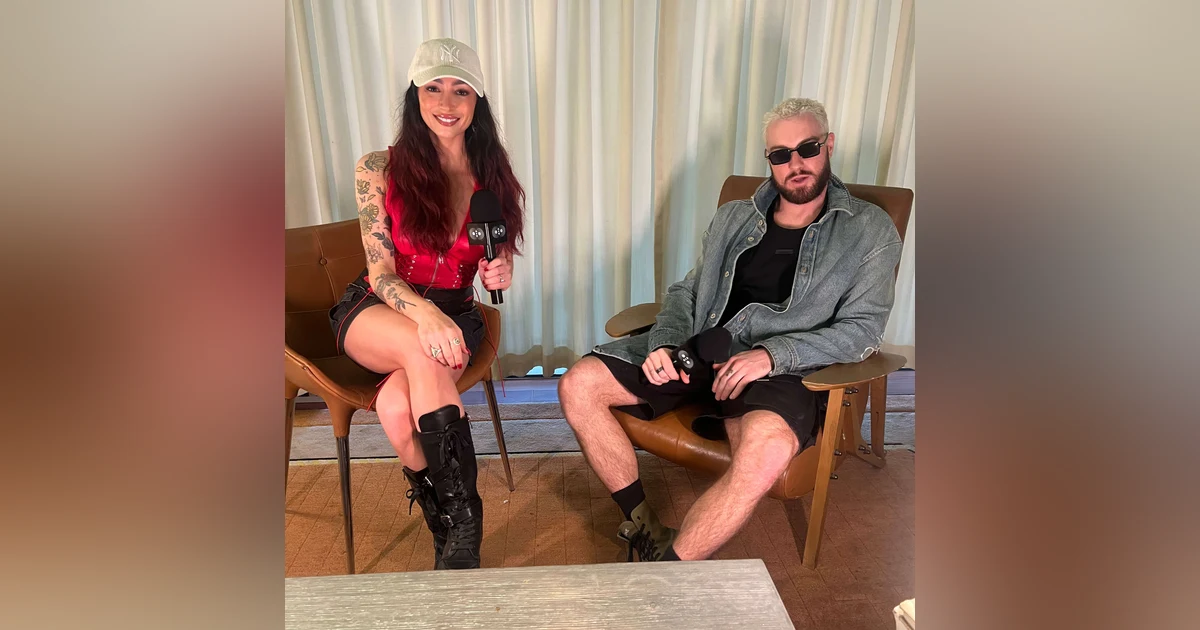
Want to know how one of dance music's biggest stars built a movement through vulnerability? In this special Miami Music Week episode, James Hype and Tita Lau reveal the counterintuitive strategies behind their massive online communities and why authenticity trumps "cool factor" every time.
From being called "cringe" to having fake news articles written about him, James has faced every form of criticism possible - yet he's built a following of millions by deliberately showcasing the struggles behind his success. Meanwhile, Tita has cultivated a YouTube community of 200,000+ through consistent live streams that prioritize connection over performance.
Key Takeaways:
- Why showcasing your struggles creates stronger connections than highlighting success
- How to find your place on the spectrum between "cool" and "cringe"
- The truth about criticism and why polarizing content builds stronger communities
- Why social media might be equally as important as music in 2025
- How to build global communities through live streaming
- The importance of representation and diversity in lineups
- Practical content strategies that work even without millions of followers
- Why documenting your journey creates powerful storytelling opportunities
Ready to level up your music career? Join my artist development program on Patreon for exclusive content and direct access to industry expertise: patreon.com/oliviamancuso
Six weeks of consistent TikTok content connected me with one of the biggest DJs in the world. What could happen if you started today?
Connect with me: @oliviamancuso__
Video Editor/Audio Engineer: James Fixx
00:00 - The Importance of Social Media for Artists
02:36 - Vulnerability and Authenticity in Storytelling
07:57 - Handling Criticism and Embracing Polarization
11:59 - The Evolution of Content Strategy
16:11 - Building Community Through Live Streaming
18:08 - Representation and Diversity in the Music Industry
20:02 - The Power of Vulnerability and Consistency
0:00 Social media for artists in 2025 is more important than music. Maybe, I don't know, I think it may be 5050. That's a bold statement. But like, let's be real. There's no, there's no artist who's doing huge things, who's not investing a lot of time into social media.
0:41 Welcome to your weekly ELEVATION, your dose of real strategies for real results in dance music. I'm Olivia, and today's episode features an artist who's been called everything from Cringe to Sasha Baron Cohen's newest character. Yet he has built one of the most engaged communities in dance music by ignoring the haters and doubling down on vulnerability. I never expected to be sitting across from James Hype during Miami Music Week, but that is exactly what happened when I opened my Instagram to find a message from him saying he discovered my TikTok content and he wanted to connect. Six weeks. That's how long I've been posting consistently on TikTok after procrastinating for months.
1:25 Six weeks to reach one of the biggest DJs on the planet right now. And the irony was not lost on me. Here I was face to face with the very artist I use as a case study for my Patreon students when teaching content strategy. The guy who transformed his career by sharing stories about sleeping on studio floors and having his laptop stolen in Ibiza. The DJ who breaks every unwritten rule about what's cool in this industry and he wins because of it. What followed was a conversation with James and his amazing fiance, an incredible DJ in her own right, Tita Lau, that challenged everything I thought I knew about building a career in this industry. So let's dive in.
2:10 So I'm incredibly flattered that you reached out to me to talk about doing an interview because I have to be honest, I get like all of my inspiration from you and how you tell stories. Yeah, yeah. I so we were talking about this before we started. I have a Patreon and I constantly am using your examples of the videos where you talk about how you were sleeping on studio floors, how your laptop got stolen, you know, when you were trying to DJ and Ibiza. And I just want to know, like, what inspired you? Because I think when I first started following you years ago, you weren't really posting that content. So what inspired that? I think I got to a point where I was like, I've achieved something here and I started believing that myself.
2:55 I was like, people want to achieve the things that I've achieved. Maybe I can share with them how I did it. I also probably found myself a bit frustrated with the Instagram world where everything's easy and everyone's an overnight success and it's all a flex. And The thing is, we don't show. We don't show hard work because it's not glamorous. It doesn't get likes. And that's frustrating as someone in my position because I know that I had to do 15 years of hard work to get any of the recognition that I wanted.
3:40 So I want to share the truth. I think that's what inspired me to do that. And it felt like the best way to communicate that with people was through stories that hopefully they could relate to. James Approach is a master class in zigging while everyone else zags. While most DJs are busy crafting the perfect highlight reel, he's deliberately showing the low lights, the 15 years of grinding, the setbacks, the moments most artists would bury in their past. Which would be understandable. It's almost counterintuitive in an industry obsessed with overnight success stories. And, you know, people who are blowing up right now. He's building his brand on the exact opposite. The long, messy, unglamorous journey. And here's the kicker, he wasn't following some calculated content strategy.
4:34 He told me until just weeks ago, he hadn't even really analyzed the formula behind why his stories connect so powerfully. So where? Where did you learn your storytelling ability? Because you have. There is a formula to it that works, that hooks people in. So how did did that just come naturally to you? I only started looking into that formula you speak of about 3 weeks ago. Really. Yeah. So you just, you innately knew. Yeah, but like I'm not, I'm not great at it. Like I just sometimes I do that and no one cares. You know, sometimes I'll talk about something that happened to me and it gets very few views and likes in by by my metrics, you know, so I'm not great at that.
5:20 Like just for me, it's just been a process of trial and error. But I think some of the stories that I tell and the ones that I focus on are the ones that people just find really relatable. So even if my storytelling technique isn't like a 10 out of 10, it's the actual story and the the people that it's reaching, it speaks to them. This is such an important point for anybody creating content because we often think we need to have everything perfectly figured out before we start. But James approach shows that authenticity and relatability matter more than perfect technique. It's about finding stories that resonate with people and being willing to share them, even if they don't get millions of views.
6:02 What's also interesting is how he's documented his journey through photos, which gives his stories credibility and allows people to see the transformation. This is something I always encourage artists to do. Document everything, because you never know when those early struggle photos will become part of your story. Now the key is finding out how much you actually want to share. One of the biggest challenges artists face is finding their place on the spectrum between cool and cringe. This is a balancing act that James has mastered better than most. There is always a sort of a balancing act between what's cool and what actually improves the world. And it's really tough because we all know some DJs who were like super cool and they would never post a selfie or any of that kind of uncool stuff on their Instagram. And then on the other side, we all know someone who's like super cringe and no one thinks they're cool. So you've kind of got to find where you fit on that spectrum. And it's, it's interesting because a lot of the people who are this side of the spectrum, like the Super, super cringe side of the spectrum are actually the ones that the world considers the most successful.
7:21 So it's, it's, it's a tough, it's a tough conversation because you've got to be, you've got to be true to yourself. You don't want to wake up in the morning and hate who you've become. And at the same time, you don't want to wake up in the morning and no one's listening to your music. This tension between honesty and audience building is something every creative struggles with. I know I do. But what's fascinating is how James has found success by leaning into vulnerability rather than trying to maintain some untouchable cool factor. But of course, this approach inevitably attracts criticism. Which brings us to how he handles the haters. Criticism is not actually the right word that I would use because criticism sort of implies that there is a basis of something useful about it. The stuff that like, like it's, it's, it's quite hard to be like truly critical of me because like you just said, I'm authentically being myself.
8:19 I'm also helping people. I'm showing my own struggle. I'm not coming on it saying, listen, I'm the best in the world. Here's what you should do. I'm saying it took me 15 years to figure this out. Here's what I learned. You know, so it's quite hard to like legitimately criticize me. So people find like that stupidest stuff. And yeah, I do get a lot of haters and goes through, goes through flows. Sometimes I'll be like, wow, everything I do is just full of haters. And other times they kind of calm down. But it's really interesting because there was there was this like super hater. It was a guy guy from Canada because he did so much hating that my manager found out who he was and basically he made this fake news article where he wrote a lot of horrible stuff.
9:05 But the headline was the only bit that anyone read. James hype is actually Sasha, Sasha Baron Cohen's new character, right? OK, right. No, no, this is fine, right? This is fine. And as soon as I saw someone said, well, many people sent me the article and I read it. I read it and I laughed. I was like, this is this is brilliant because it looked like a real newspaper article. And then until you read the actual text and the text, you could clearly tell it was someone who really disliked me who'd written it. But the actual headline, that's all most people, most people read. And this was sent to me over the course of a week by like 20 or 30 different people. Not people who not like DJ World, people like, like people who don't follow DJ's, you know? And the craziest thing happened, if you look at the web search traffic for James Hype, it was the most popular I've ever been. My God, so thank you.
10:03 Thanks to him. So now you have to be Sasha Baron Cohen for Halloween. But that's that's how you troll him back. Do you know what? So I actually was so close to getting a picture with him last summer in high because he was there backstage, but it was just like one of them where it was a bit awkward to ask for a picture. So I didn't do it, but it would have been great if I did. That's so funny. Wow. I can't imagine what it's like to get it at that scale. You know, I get it at a much, much smaller scale. But the best advice that I ever got from like a social media coach when I was starting my, you know, journey as a content creator was if you are not polarizing, you will not be successful. Like you, you have to have a point of view. Yep, 100%. I think a lot of artists are afraid of that. And it's it, it is.
10:45 It is scary because, I mean, it's human nature. We don't want people to dislike us. That's like the idea of someone disliking us. It hurts. But imagine how much hate David Guetta gets. Imagine how much hate Tiësto gets. I can't even. I'm not even scratching the surface of that, but do I want to be as big as David Gatzer and Siesta? Yeah, yeah. So get ready. Because the hate's fucking coming. The Sacha Baron Cohen story perfectly illustrates the paradox of online criticism. Sometimes your biggest haters become your most powerful marketing tool. And if you're on EDM Twitter at all and you follow any burner accounts, you would have seen something that happened to me very recently where a burner account decided to make fun of me and it backfired tremendously and got me a ton of followers in the process. So if you guys want to hear that story, you can DM me because I'm not going to, I'm not going to drag him on here. When you're polarizing, you're memorable, period, point blank. When you stand for something, some people will stand against you, but many more will stand with you. This is the reality of building a career in 2025. Social media isn't just a promotional tool, it's become central to how you connect with your audience. I've been investing a lot of time in social media for a long time, like more than 10 years.
12:04 I used to do live streams on Facebook in like 2016. And yeah, I in fact, I even started YouTube back in like the 2000 and 10s, but I never really took it that seriously. But yeah, I've seen, I've seen many evolutions of social media. And there was a period where I post a cool video of you DJ and it would get interaction, it would get loads of views. And I think so many people started doing that that it's no longer enough. Like sometimes I'll be like this a really cool video of me looks great, I'm doing something cool, the music's good and I'll post it and I'll be like, no one like that. And you've kind of got this mindset, this sort of 2022 mindset where it's like, Oh yeah, this is good, I'll post this.
12:52 But the world, the content world is so saturated that your 2022 mindset won't serve you. Like you've really got to, you've got to bring something to the table that has a wow factor, has a share factor. And This is why I think it's good when I can actually help people in some way and help people through their own journey, whether they're ADJ, whether they're a producer or whether they're even like in a completely different part of life. So yeah, the, the old content strategy doesn't work, but you have to connect with people online because even though we, we all try and say like our phones are bad or whatever, like that's our reality. That is reality.
13:41 We all spend, I mean, some most what the average American screen time is like 7 hours per day or something. Yeah. Mine's way worse. I'm sure, I'm sure. Yeah, 100%. It's horrible. So, yeah, like we spend so much time through the phone that is as a part of our reality, isn't it? So you can't, you can't ignore that. And also it's like it's a free tool to reach millions of people. Like it's actually crazy. So you have to, you have to dedicate time to that you, but you've got to figure out what that looks like for you, because the old, the old strategy isn't going to work. On the flip side, though, that is the one place where no matter who you are, you can reach millions of people from all over the world.
14:29 And you can find your your people there. You know, So if you grew up in the 90s, like you didn't have the Internet, So if you were a DJ, you'd have to kind of go to the club. You'd need to be accepted by all these people before you could get in the door. But but this doesn't exist anymore. Like, we can go on TikTok. You could start a brand new account tomorrow. And if you make the right video, you could reach millions of people. I mean, I had so I had a TikTok in a different niche a long time ago. I just made that new TikTok account couple weeks ago and you saw my videos. I think that's a perfect example. And I don't even scroll a lot of TikTok. That's crazy. I can't. I can't believe. I mean, it really is a testament to like how important it is to just put yourself out there.
15:15 No one's going to know who you are if you just stay in the shadows, if you don't try. Yeah. So, yeah, I think social media for artists in 2025 is more important than music. Maybe. I don't know. I think it may be 5050. That's a bold statement, but like, let's be real. There's no, there's no artist who's doing huge things who's who's not investing a lot of time into social media, right? James perspective that social media might be equally as important in music in 2025 is a wake up call for artists who still see it as optional. The landscape has fundamentally changed. Anyone can reach millions of people without traditional gatekeepers, but only if they're willing to put themselves out there.
16:02 Remember, James found me because of my TikTok. This isn't just theory. James and Tita have put these principles into practice through their live streams, which has built a global community around their music. I know that you have a really engaged YouTube community where you stream often and you started the streaming sets in in your kitchen. Yes. So, so talk to me about what the just the ethos behind that is. Why did you decide to do that? Because so many artists were like, Covid's long gone. Like I don't want to ever do that again. I love streaming more than anything because we have like a chat. So if you've never like been on a live stream before, you should definitely check it out because it's a great like community of people all over the world. You could never have that.
16:50 Well, Miami music where you could, but usually it's like people from France are like watching at all different times of the day all in one place, right, For the love of like house music. And then you just chat to your friends and it's just awesome. So yeah, we did it every Friday. We've actually actually just done four weeks of live streams and we had like record-breaking numbers so. That's amazing. It was incredible so. Cool. What Tita describes is the power of creating spaces where people can connect around shared passions. It's like a digital campfire where fans from France, Australia and everywhere in between gather in real time. This isn't just streaming music. It's like literally cultivating belonging.
17:31 The beauty of their approach is how it transforms the traditional artist fan dynamic. Instead of the one way broadcast model most deejays rely on, James and Tita have created a two way conversation. They're not just performing for an audience, they're building relationships with people who become part of their story. And this community first mindset extends far beyond online spaces. It's reshaping how they approach their presence in the industry itself, particularly when it comes to representation and inclusion. And you've been pretty open about just like the pressure to represent the girls in the industry of women. Why it is a lot of pressure?
18:12 It is, I was saying so one of my friends that I did a festival last year and it was a huge festival, went on for three days and I was the only girl on the line up for the whole 3 days. Yeah. So I was really nervous because I felt the pressure, obviously representing women in the DJ space. And I just wanted to do the best show ever so that it could be like, guys, come on, Booker, Booker. So we're great. But yeah, also just to see more, more females on the lineup in the years like 24. Yeah, we're out here. Yeah, yeah. And it you don't see us, it, it, it also helps diversify the crowd.
18:52 Like there was this, there's this girl last night we were at a show and she was by herself and she was like, look really nice. Do you mind? Can I just like stand by you because I'm by myself and you know, my friends all went to this other show and she was like, she said to me, she's like, I can't believe how many dudes are here. I'm like, well, it's an all dude lineup. And it does tend to attract. Yeah, no. When you diversify the lineups, you diversify the crowds. Yeah, for sure. I've had so many girls come up to me at the end of my set and they're like, Oh my God, that was super fun. And I think it's because I have like, a girl mindset where it's like, yeah, because I love what you love, right?
19:34 So there you have it, straight from the source. Tita has built a community of more than 200,000 on YouTube, James more than a million on Instagram, and none of it has happened happened overnight. Despite the trolls, the hate comments, the fake news articles, they've continued to push forward, creating content that resonates and building communities that last. What strikes me most about this conversation is how their success directly contradicts the instant gratification narrative that dominates our industry. They've put in work consistently for years. They've documented the journey. They've shared their setbacks. And they've brought their audience along for the ride.
20:14 I cannot emphasize how truly special it was to sit down with both of them. As someone who teaches these exact principles to my Patreon students, my community, having the opportunity to hear James and Tita articulate their philosophies first hand was both validating and inspiring. Their proof? That vulnerability is not a weakness in this industry. It is a superpower. And if there's one thing I hope you take away from this episode, it's this. The window of opportunity is now. It's now, guys. Not when you feel ready. Not when your music is perfect. Now. Six weeks of consistent content connected me with some of the biggest DJs in the world.
20:56 So what could happen if you started today? Remember, success in dance music isn't about luck. It's about strategy. I'll talk to you next week.