How to Build a Profitable Music Career by Serving Fewer People | EF EP 108


 Spotify

 YouTube

 Apple Podcasts
THIS EPISODE IS SPONSORED BY DEEP TROPICS.
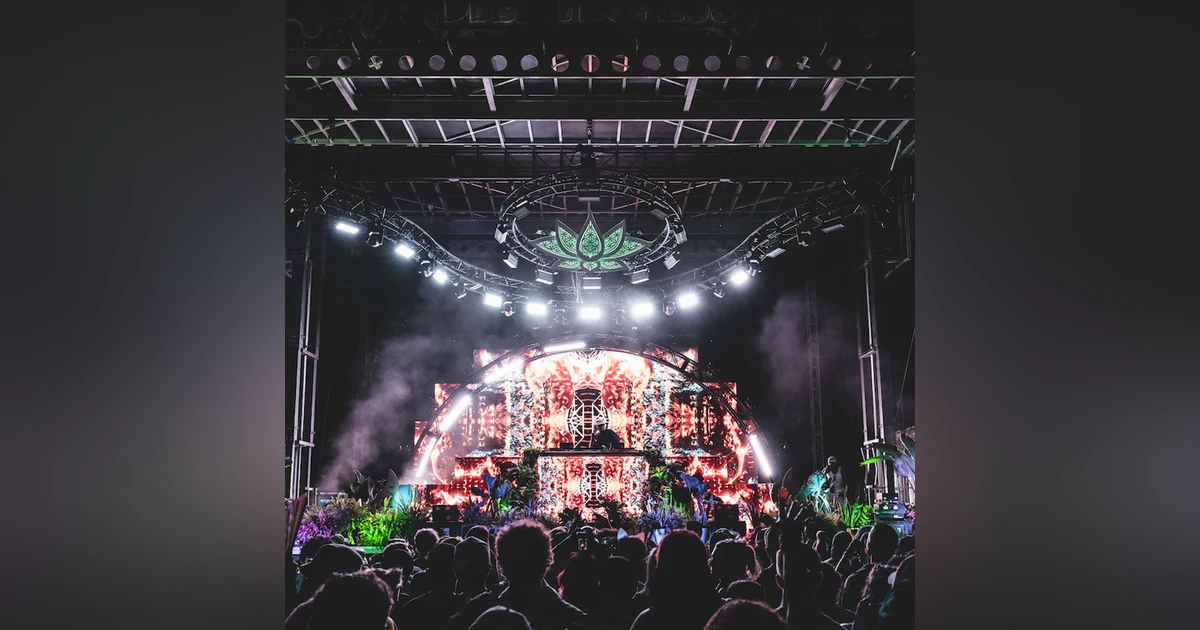
Deep Tropics is an immersive dance experience in the heart of Music City, Nashville, where party truly meets purpose. Known as the most sustainable festival in North America, Deep Tropics is an energetic celebration of culture, community, and the planet. Catch headliners like Chris Lake, Lane 8, Subtronics, and more on August 15th and 16th. Secure tickets here: https://www.deeptropics.org/
Think you need to appeal to everyone to succeed? This conversation with John Hanna of Deep Tropics will completely change your perspective on building a sustainable music career.
While most artists chase broad appeal and try to please every possible audience, Deep Tropics has built North America's greenest festival by doing the exact opposite - doubling down on their specific values of sustainability, mindfulness, and community. Their approach proves that depth of connection trumps reach every single time.
Key Takeaways:
- Why trying to appeal to everyone naturally dilutes your artistic vision
- How to build deeper connections with your audience instead of casting a wider net
- Why talent buyers prefer artists with clear positioning over generic crowd-pleasers
- The business case for niching down rather than broadening your appeal
- How to identify and communicate your unique values as an artist
- Why authentic positioning creates more opportunities than mass appeal
- Building a sustainable career through community-first thinking
- How to stand out in an oversaturated market by being specific
- The courage required to niche down and why it pays off
- Creating memorable experiences that people want to be part of, not just attend
Ready to level up your music career? Join my artist development program on Patreon for exclusive content and direct access to industry expertise: patreon.com/oliviamancuso
Stop trying to be everything to everyone. Hit play now to learn why the riches really are in the niches.
Video Editor/Audio Engineer: James Fixx
0:27 When you play the numbers game and try to just like reach as many people as possible, whether it's you as an artist or an experience or whatever you like naturally have to dilute what you're doing in order to like appeal to that many people. And I, I really believe in the depth of connection, the depth of relationships and that being the priority over like just serving a ton of people. Ever wonder how top DJs actually built their careers? I had to do 15 years of hard work to get any of the recognition that I wanted. Where? I saw a turning point in my career is when I came true to myself. From marketing and mindset to networking and negotiation, I'm giving you the tools you need to build a lasting career in dance music. Give.
1:10 Them bits of you and your everyday life. You have to change the way you view the word no. Like me, I'm encouraged by it. Join me, Olivia Mancuso and industry leaders as we reveal what it really takes to turn your passion into profit. This is Elevated Frequencies. Welcome to your weekly elevation, your dose of real strategies for real results in dance music. I'm Olivia, and today I'm coming to you from my OG Home Office studio. But the good news is that I've secured a new studio location, so I anticipate being back in action soon with that upgraded setup. It has been a crazy couple of weeks, but on to better things.
1:51 Today's conversation is with John Hannah of Deep Tropics Festival, and this conversation offers powerful insights for artists who think they need to appeal to everyone to succeed. While most festivals chase bigger lineups and broader appeal, Deep Tropics has built something profitable by doubling down on their values, sustainability, mindfulness, and community. And what makes this conversation so valuable for artists is John's proof that Alliance dining with a clear set of values doesn't limit your opportunities, but it actually creates them. Talent buyers and fans are drawn to authenticity and clear positioning. When you stand for something specific, you become memorable and irreplaceable rather than just another option. His insights on community first thinking, sustainable growth, and the courage to niche down offer a blueprint for any artist afraid to show who they really are. So let's dive in.
2:50 So first question I have to ask you why an EDM festival in Nashville people are going to want to help? It's a great question. Well, I think there's enough country concerts. That's that's for sure. I think that Nashville is a very like communal place. It's a very collaborative place and I think there's a bunch of different ways to gather. There's a bunch of, of different styles of music. And historically there's, there's been, you know, a lot of country, obviously Americana, rock. And when my partner and I came together, he, he had the idea back in 2017, he'd been promoting electronic shows and he felt like it was the right time to put on like a full on 2 day festival.
3:48 And I think just with the growth of Nashville as a whole, it's called for more than just country music to be present there. And the stars have aligned and and have allowed us to activate it and survive through a pandemic and still do it in 2025 S. That's massive. The last time we spoke, you said something about the collaborative spirit of Nashville and how so many artists from all different genres come down there and it's just like a well respected place for collaborations to happen. Yeah, yeah. When I moved here from Cleveland, Cleveland, OH about 12 years ago now, there was this noticeable energy.
4:37 I think there's, there's been a big songwriting culture here and especially in Nashville, but in a lot of places, when, when people are writing songs, whether it be for pop, for country, whatever, people get in a room, in a room together and, and collaborate on those things. And yeah, whether, whether it's the songwriting culture, whether it's it's people just trying to make things happen here, there was, there was like this collaborative spirit that I'll never forget feeling as soon as I got here. Yeah, yeah. I, you know, a lot of collaboration in the producer world happens virtually, but I, I've, I'm not, obviously I'm not a producer myself, but I can only imagine it's so much better when it's in real life. Yeah, yeah, absolutely.
5:31 I think it with technology and through the pandemic where we were forced to learn how to use Zoom and and all this like it's, it's definitely a useful tool, but there's nothing that beats like being in person, making a beat, making a song, whatever, and actually like vibing out with the person there. So, so the other unique thing about this dance music festival beside is it being in Nashville is the sustainability factor. So walk me through for for the people listening, like what what are the key components of this and and why you decided this was a necessity when you were putting together the the ethos of the festival? Yeah, definitely.
6:18 Well, I think it, it all centers around the, the, the slogan of, of self community planet. I think when, when you're looking at an experience, you want to nurture all of those things together. And if, if kind of one becomes out of balance, the, the overall experience can fall short. You know, if you're not taking care of yourself, the experience is going to fall short and you're probably going to leave there feeling like crowd if the community isn't like nurtured and taken care of as well. That like, often times, especially for me, I, I focus on like connection. I, I really enjoy going to shows, festivals, whatever, and, and experiencing that with other people and meeting new people and having incredible conversations and that sort of thing. And if, if you don't think about how you're interacting with people and how, how the culture amongst the community is, exists and is, is growing, that again, experiences can fall short. And then obviously the planet, if we don't take care of the planet, probably not going to have shows. So surrounding that, there's, there's like this sustainability and mindfulness that we try to nurture and infuse through our, our, the culture that we're building, as well as like, you know, just the events we launched our sustainability summit.
7:45 It's this conference here in Nashville. It was a one day event last year and will be this year. Long term, we're we're looking to grow that to be few days, if not like a week long kind of South by Southwest style event that celebrates mindfulness, sustainability and leads into the festival. At the festival itself and, and year round events, we do yoga and breath work workshops. There's, there's like no trash containers. It's, it's everything that's at the festival is recyclable. There's no reusable plastics or no single use plastics, sorry. We have the Speakeasy tent that we're is similar to the the sustainability summit. We're going to have a bunch of talks that kind of span. We're, we're doing some like Ableton activation stuff, which we're really excited about, you know, just different cultural things that we want to push forward all kind of surrounding that self community, planet concept. I was walking down the street after a popular street festival the other day.
8:49 It's like a free street festival. And I saw like confetti and trash everywhere. And these St. festivals happen in Chicago all summer and people love them. They're free, you know, it's something to do. And I was thinking about our upcoming conversation and just how much trash and junk is left behind after festivals. It has to be pretty concerning. Yeah, yeah, totally. And it's, it's concerning at like a macro lens. And then even just to the experience itself, if you're like walking amongst amongst a bunch of trash and like you know, you're just surrounded by it, it really takes from the experience.
9:34 Right, right. And I think people want more from their festivals and experiences. Now. I think everyone's standards have raised in terms of just, you know, what you're getting for the price of the ticket because everything has gone up understandably. And so you want, you know, a place that's clean and that because that also signals like, oh, this is, you know, an upscale elevated experience. I'm paying, you know, 2 to $500, whatever it may be for a single day or a three day pass. Like, I don't want to be like kicking trash, you know, around while I'm doing that. So you guys have, well, everyone else is kind of zigged.
10:15 You're zagging. And, you know, while most festivals go for like, OK, what are the biggest acts that we can get, most, you know, that are going to draw in the most attendees, have the most mass appeal. You're doubling down on your clear niche. Talk to me about why that's important. Yeah, it kind of pokes at festivals, concerts in general, I think. I think at a certain point, you know, festivals, concerts, their, their cultural moment, they're an experience for people, their celebration. And if you don't have like a deeper intention, it, it has like a, an experiential ceiling. Like you can only do so much.
11:07 And, and I think, you know, whether, whether you look at concert and festival culture, whether you look at just cultural and culture in general, I think it's so important to, to have like deeper intentions and to truly like be aiming for something great. So I don't know, does that make sense? Yeah, I also think that there's a greater possibility for success. I I hate pronouncing, so I say niche, but I and I don't like saying niche. I know some people say that, but like they say the riches are in the niches and it's true. If you can double down on your thing, you know, it might take longer, but you are eventually going to most likely you're going to find a group of people who are like minded and I think that that can carry you through tougher economic cycles versus just what's trendy right now. Yeah, yeah.
12:04 And like similar to what I was talking about with with like country in Nashville, I think there's enough electronic shows and festivals. Like there's like if you want like Arc in Chicago is the lineup is insane. It's it's incredible. And so like, if you're just going for like lineup centric stuff, there's incredible experiences, you know, my, my partners, Blake and Joel, they, they studied sustainable development in college. And I think they, they've always had it in their mind to, to really like push that side of culture forward. And all of us and a lot of our extended team have been on this like kind of mindfulness journey individually to where we're, you know, we're learning how to like, take care of ourselves better. And, and, you know, maybe have gone through the, the send it culture, so to speak and kind of learn, right. And, you know, it's, it's not, it's not a sustainable way to live personally.
13:14 And so I think, I think it's, it's been in the back of our minds for a while. And we're, especially in 20/20/25, really grown into it. Yeah, yeah, I think there's been that's been AI don't want to say a trend, but people are a lot more aware now of just the harm in the non-stop partying, you know, doing drugs with reckless abandoned. It's it's just not there. It's it's a great thing that it's starting to infiltrate the dance music culture. So talk to me about like how this is helping you compete with some of those larger festivals in terms of market share and getting people to show up. Yeah, I think I mean, it definitely makes us unique when you look at the average festival, average electronic festival, you know, the fact that like we're talking about it's clean.
14:14 It's it's it's a pleasant experience on top of, you know, going to see a lit set from MPH or Liney or, you know, whoever to the trends you're Speaking of. I think there's a lot of people that whether are like moving away from booze, moving away from like any substances in general, looking for deeper connections, deeper experiences. I think that the steps that we're taking really nurture that with, with our community through the experience. You know, in order to motivate these things, you really need to set up sub experiences and build a culture that nurtures that. Because you know, if you go to like EDC or something like that, it's, it's easy to get wrapped up in just like this massive energy that inevitably exists. So, so are you saying that the attendees are all kind of aware that this is a so I'm assuming you still sell alcohol, right? Oh yeah, yeah, totally.
15:14 And I don't think, I don't think we we want to be unnecessarily like substance free festival, but I think offering it and nurturing it as a part of the culture is, is important. It's OK, like this is a space where it's celebrated and you don't have to feel pressured. That makes a lot of sense. So does this, Obviously this affects the fans that you attract, but what about on the artist side when it comes to booking? Is there any sort of consideration for how an artist might align with the culture or who you're picking to to be on the line?
15:57 Yeah, I think we're and we're really growing. I can feel that this year now more than ever. You know, you look at Chris Lake, who I think it hasn't drank at least. I don't know if he's fully sober, whatever, but Chris Lake, Will Clark is pretty, pretty outward about that Lane 8. There's there's there's a bunch of people on the lineup that are becoming more and more vocal about like taking care of yourself. And it really hit me when when I saw Scream talking about getting sober like that, this trend was like a real thing.
16:43 So like a huge Scream fan. He's been like a big influence in my like production and stuff. And it was like when he announced that he was getting sober is like, OK, this is like a a real thing or Diplo having his run clubs and stuff like that. But yeah, to, to our festival programming, there's through through the Lotus stage, Meru stage, into the Speakeasy, even into the Congo. Like I would say at least 30 to 40% of our, our lineup is like sober conscious, sober leaning and it's really cool to see.
17:27 This is an important subject because, you know, it's mostly artists that listen to this show and I'm always preaching like, find your niche and double down on it. And I think a lot of artists are afraid to do that because they think it might be excluding them from certain opportunities. But Will Clark isn't getting isn't not getting booked for things because he's sober, right? It's just helping him align also with these experiences that are more specifically branded. And so I think it's great advice for artists to like, if there's something about you that is as important as the music or it's integrated into your lifestyle, like put that, put that, bring that to the front with your brand because there's there's like types of experiences for everybody. So many music experiences are starting to pop up that are more unique.
18:19 Yeah, yeah, absolutely. I'm, I'm of the belief quality over quantity. I think that that when you play, you play the, the numbers game and try to just like reach as many people as possible, whether it's you as an artist or an experience or whatever it you like naturally have to dilute what you're doing in order to like appeal to that many people. And I, I really believe in, in like the, the depth of connection, the depth of, of relationships and that being the priority over like just serving a ton of people, you know what I mean? Yeah, I I agree. That dilutes the perfect word. Was there any sort of fear when you were creating this festival that, oh, if we go too hard on the sustainability thing, it might turn some people off?
19:12 Yeah, 100%. It's, it's a balancing act. It's a it's a balancing act, like curating the lineup as well as curating the culture overall. You can't, like, go too niche in One Direction, especially in Nashville to where electronic music is still growing compared to like, Chicago, New York, LA Yeah, it's a balancing act of, of nurturing these things and pushing things forward, but being careful about how aggressive aggressively we do it. Right. Yeah, totally. Being in Nashville and being sustainable, those are two massive differentiators already. But that's cool. I mean, that's bold. And I think we need more, you know, people who are festival producers, everyone in the industry who are willing to to be bold.
19:59 So talk to me about like the long term benefit of building a community around these shared values versus just doing what's hot right now, man. The long term benefit of I I think nurturing these ideals into the culture surrounding what we're doing is kind of the step towards longevity, if that makes sense it I think in order to nurture a culture that can sustain over time, there needs to be a depth of intention and alignment surrounding that. Doing the thing that's hot right now, you know, does it? It doesn't bode well for the future. It's like that's that's happening right this second rather than growing into something and growing a culture that is passionate about where you're heading, even even if it's not, you know, there yet.
20:53 If it does that make sense? Yeah, well, I think the longer that you are into dance music, I mean, for people who are hardcore crate diggers and love to discover new artists, that's one thing. I'm obviously one of those people. But people who like who enjoy going to music festivals and have been doing it for a long time, 5-10 years, whatever it may be, a lot of the line UPS share the same artists. Like it's just, it's just is what it is just like outside of dance music too. So it's like you start to become a little pickier. You're like, well, I can go see, you know, so and so at these five different and they're also not just at festivals. They're coming to to clubs near me this year, whatever.
21:34 So there's got to be that something extra that's going to tip the scale for the fan. And that also applies to artists like, and that's what we were talking about, over saturation and dilution. It's like you really have to have that something extra that's going to make people want to come out, and you have to do it intentionally so that they don't get sick of you. Yeah. Yeah, totally. I I got to be honest, like the there's, there's a a similar feeling that I have with just like clubs overall. Granted, there's some incredible productions like happening currently in 2025, but like on average, the club experience is kind of just like mediocre to to me. And, and I am pretty passionate about looking for places, people's faces that that have a deeper intention because that to me is where I leave.
22:32 Like, yeah, that was incredible. I agree, I felt that way two weeks ago now. I went to a local spot called Wax Vinyl and it's owned by this couple that have been the dance music like Lee Farmer. He's been a DJ in Chicago vinyl and you know, non vinyl DJ forever. And Gina, her dad actually was a famous Blues musician. But anyway, they they built this bar inspired by their travels to Japan, where there's tons of, you know, listening, listening bars, but vinyl. And so that was their inspo. And it's like, it's like in this most unassuming, like strip on Chicago Ave. in West Town. And it is such a vibe in there.
23:19 And it's obviously all vinyl. And when I went two weeks ago, which was my first time going out in a really long time, there was like the DJ was going from old house music to new to 90s R&B. And it was just like an every. I couldn't believe the diversity of people there from like 21 to 60, every race, nationality represented, everyone vibing together. And I'm like, this is it was so memorable to me to have like it was just like we were all there because we really, really wanted to be there, not because we wanted to be seen or because we, you know what I mean? And so like that, that is what is required for me now as a fan of dance music since I was 15 years old, now 33, I there needs to be something extra. Yeah.
24:11 Yeah. And I this is a really good conversation for event producers and artists alike. Like how can you provide that something extra? Yeah, well, and and that that feeling that that desire and willingness to be present is is so important, but it's it's so quickly lost these days. Like it, it feels like maybe the average like kind of surface level electronic because you, you know, people can if you have run-of-the-mill CDJS in a USB and a mediocre sound system, you can do an electronic thing. But in order to, to really have that, that like passion and desire to, to be present and to, to participate, it takes an incredible space. It takes a passionate group of people. It takes a dope selector who's going to, you know, curate the, the vibe.
25:10 It it takes all of these things that when done correctly, nurtures that. Yeah. So what would you say to an artist who has Deep Tropics on their vision board and would love to play at your festival someday? Is there, are there certain things that you're looking for that signal that this would be a good fit to be on the on the lineup? It's a great question being a producer myself, you know, I, I when people bring fresh production styles that that's clear that they've, they've worked on their craft and, and there's like kind of a tangible uniqueness to, to their sound and, and the experience that they're bringing.
25:52 I think that that's always exciting to me and, and obviously it's, it's always better when not only the music is feels that way, but then it extends to the the experience itself. As far as like stylistically, I can say, you know, I'm super into UKG. I'm getting back into like deep dubstep stuff, drum and bass stuff, but that, that's just me personally, I think. And, and we really try not to just put what we want, you know, it's, it's really serving a community of people.
26:35 And so like there's outside of like my, my, the things that really excite me. I think there's, there's kind of a broader spectrum of, of genres of music. It's, it's really just about like, you know, positive energy, like a clear uniqueness and, and maybe that, that willingness to be present that we're talking about. Yeah, that's great advice. OK. And then last question for for the people who may be on the fence about going to Deep Tropics, as you know as an attendee, convince them why they should come. Yeah, I'm super biased being that I'm an owner in the festival, but I think I think that our experience really stands out. I think the community of people that come there, there's like a certain warmth that's felt that in in Nashville. But even specifically with our festival that, you know, I constantly hear stories about people coming there solo and meeting friends, meeting their, their now partner, having this like fulfilling experience that, that they walk away #1 feeling fulfilled.
27:47 But also not, you know, zombie land. Like I just sent it and drained for the next week. And that's, that's the culture we're trying to build. I love that that's the festival friends that I have made over the years that, you know, even if I don't see them all the time because we live in different states, we keep up on social media. It's such a a beautiful thing because the general like the Gen. pop still doesn't understand dance music necessarily, And so to find other people there that like speak the same language as you, it's just a very special bond of a friendship. Even if you don't keep in touch all the time.
28:29 I love that. I love that. Well, kudos to, to your whole team for, like I said, zigging when everyone else is zagging or zagging when everyone else is zigging. I, I think it's so cool to see independent producers like double down on putting something out there that is for a specific group because there's a lot of, I think with the economy the way it is, there's just a lot of fear around like what is sustainable financially? And you guys are proving that having a sustainable mission can also be sustainable financially. Yeah. Yeah, yeah, well, I just want to say thanks so much for for having me on And for anyone listening August 15th and 16th, if you're not doing anything, come pull up, come hang tons of music got 4 stages. Like I was saying, we've got the sustainability summit, a bunch of Wellness and like mindfulness workshops interwovening through the the entire experience.
29:33 And you know, whether that's your vibe or just like the music, I think there's there's something for everyone there. That is your weekly elevation. Deep Tropics has cracked the code on something most festivals and event organizers struggle with, and that's building loyalty that goes beyond just the music. By staying true to their environmental mission and community values, they've created something that people want to be a part of, not just attend. John's journey proves that the riches really are in the niches. When you have the courage to stand for something specific, you attract the right people who become genuine advocates for what you're building.
30:14 Remember, success in dance music isn't about luck, it's about strategy. I'll talk to you next week.