How One Festival Grew 17% in 2024 By Putting Community First (And Why Artists Should Care) | EF EP 80

 Spotify

 YouTube

 Apple Podcasts
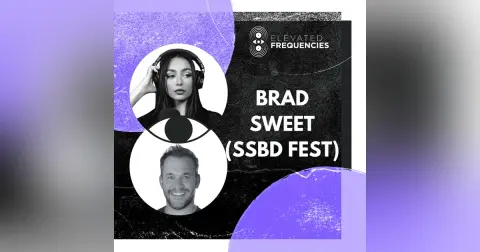
In an era where festivals are shutting down left and right, Same Same But Different Festival grew revenue by 17% while others struggled. How? By challenging the "bigger is better" mindset and putting community first. In this episode, SSBD CEO Brad Sweet shares actionable insights about building trust, taking calculated risks, and creating experiences that keep people coming back.
Whether you're an artist looking to throw your own events or trying to understand where festival culture is heading, this conversation offers a blueprint for sustainable success through community-first thinking.
Key Takeaways:
- Why smaller, focused events can be more profitable than massive festivals
- How to identify and fill gaps in your local scene
- The business impact of prioritizing experience over expansion
- Strategic ways to build trust with your audience
- How giving away 500 free tickets led to long-term growth
- The importance of creating spaces for genuine connection
- Why transparency in pricing and decision-making matters
Ready to level up your music career? Join my artist development program on Patreon for exclusive content and direct access to industry expertise: https://patreon.com/oliviamancuso
Want to experience SSBD Festival for yourself? Visit ssbdfest.com for tickets and information.
Stop chasing bigger numbers at the expense of genuine connection. Hit play now to learn how putting community first can transform your career in electronic music.
Connect with me: http://www.instagram.com/oliviamancuso_
Video Editor/Audio Engineer: James Fixx
1:56 Well, I'm excited to chat because PD. Told me you're from Chicago. I am, yeah. Whereabouts the suburbs are are Chicago. I am from the suburbs. I forget. Yeah, Living in California, I just say Chicago and that's enough for people, but no suburbs. I'm from originally Skokie and then I moved to Northbrook and then went to college, were there in Illinois. And so I was there until I was like 21 and then I moved, moved out West. Good for you. Yeah, I mean, I live in Chicago now, but obviously I did not grow up here either. So Hawthorne Woods for me. I went to Stevenson, so. So that's not too far from Northbrook. My nieces go to Stevenson or one goes to Stevenson, the others are going to Stevenson soon.
2:41 It's a great school, yeah. Yeah, it's. It is so All right, so you've been in California since you were 21 years old. Let's talk about your journey to to being the founder and CEO of the same, same but different festival. Yeah, well, I, I moved out first. I actually moved to Arizona. I lived in Arizona for the five years and then I moved to to California, to San Diego. And it had nothing to do with a festival. It had nothing to do with music really in general. But I've been a musician my whole life, so since like four years old, like piano and guitar and sing a lot of different things. And so I was in bands out in California that I kind of found once I got out here, that led to me meeting my partner Peter, who we started the the festival together.
3:29 But before that we were a part of a thing called the Mustache bash out here. So it's like a funk 70s disco party. And it started in a backyard with just a group of musicians that like, you know, we're we're all friends out here that the party was just like so big in this backyard. The, the police, like a police helicopter ended up breaking it up. And they, they were like, OK, we need to get legit and get like an actual venue. And they just kept outgrowing their venues. So they're on year like 15 or 16 now. But Pete's been with them since the start. I joined the thing called the Mustache Bash Family Band, which plays disco covers with Pete.
4:10 So that's how we met. And then we started playing in another bluegrass band that was travelling around. So we two were together for a while and just kind of always talked about I was interested in the production side of it. And I love throwing events. And one day, just kind of out of the blue, I texted him, let's let's start a festival. And he, you know, usually those types of texts either go unanswered or it's like, yeah, let's do it. And then the idea fades in like a day. But for whatever reason, this one just didn't fade away and we just kept on at it and had our first year and that was in 2018. Wow, wow, that's an amazing story. It's cool when like, the more, the longer I stay in this business, the more I realize a lot of people who are, you know, creating these events are artists themselves.
4:58 And I, I think that's so important because you're in it for the love of the music. It's not just just a business to you. Yeah, that was, I mean, the original goal was let's set up, you know, almost like picture maybe a little bit elevated level of a backyard party with like all of our fishing friends and a bunch of bands and, you know, get all the friends out there and maybe we can say we own a festival even though it's going to be like 100 people and and that's kind of what we were looking for. But we knew that we wanted it to be camping. I think that's really important. The first festival I ever went to really got me hooked on it and that that was actually out in Illinois in Chillicothe called the summer camp and I went there in like 2001, I believe, and was really set on, you know, three days just like out in the wild camping, like you meet your neighbors, you're all there for each other.
5:56 I think it really creates you can, you can affect lives a little bit more. You can like have some change and some serious connection in the community with that. So we knew we wanted to make something that's camping. We felt like Southern California was kind of lacking that besides like the massive ones that everybody thinks of when you think of like a camping festival in Southern California. So we wanted to sort of like fit into that, you know, little box there and and, you know, develop something we didn't think we'd find AI mean. We listed out like I remember, like here's our here's all the things that we want the property to be and I just figured out maybe end it right there. Like we said, we wanted a beach that people could swim in. We wanted it to be halfway between LA and San Diego.
6:38 So it's easy to get to from, you know, either major metro, you know, huge camping, beautiful. You know, we listed out all these things and we just kind of stumbled into the property where it's at like Paris on a again, a show that I was playing and we we played at another festival that was out there and we're like, this is this is incredible and got some contact and there we were. So it sounds like I was going to ask what gaps were you trying to fill when when you started this festival? And it sounds like you were looking to create something that was a little bit more community oriented and accessible. Is that does that sound right?
7:19 Yeah, I, I wanted something like that definitely. And you nailed it on those two things. I, I also wanted, I wanted to kind of speak to, you know, I, I'm, I'm a jam kid. Like that's what I grew up loving. But I also, I mean like, I, I don't know, I love all music and you know, D JS electronic and bass and I really wanted to kind of like speak to that crowd in the in the jam base kind of work world. I felt like it was definitely underrepresented in Southern California. Again, if you think of the camping festivals that exist in Southern California, there used to be lighting in a bottle, but that's moved up north and then there's like Coachella and Stagecoach and there's desert hearts that's in Arizona and out.
8:08 So we kind of there wasn't a lot that was out here and especially none of them really had like that live music aspect too that we try to bring in with acts like Lettuce or OLF Pack. Yeah, it's funny when you say Coachella, I forget that people can actually camp there because what we all see in the other part of the world is like just the influencing the Klitz and glamour and I forget that it's like, you can actually camp. Yeah. So no, I mean that that makes a lot of sense. You know, there's I think this is an issue like across the United States where we think of pretty much California, Denver, Chicago, Miami and New York and maybe like Jersey as like the only places that really have these types of events and, and serve electronic music.
8:57 But there's so many sub communities within electronic music. And so it sounds like you really, you know, found your niche and like and like filled a gap for people in California that, you know, that was there. Yeah, at least it seems like we have. People have definitely been responding to it. Yeah, Well, let's talk about that. Let's talk about your growth. I mean, I have, I interviewed Mikey Lyon earlier this year with Desert Hearts. He's incredible. And, you know, he was very candid about the challenges that the festival market and event producers are facing. It was my most, I just got my Spotify Wrapped. It was like the most popular episode of the year because people are interested in hearing from event producers. So, you know, they're doing great. They, they had to pivot.
9:40 But as you know, so many festivals have shut down and faced so many challenges, and people are pretty ruthless about it. So what? What has made, you know your festival thrive amid all this chaos over the past few years? Yeah, and that's interesting. I mean, I was just actually talking with him for a while last week too. He and they they just switched to Arizona for desert hearts in in near Flagstaff. They were at the same property as us. So they had moved to Lake Paris, where we're and which I think that was, you know what, what a a major shift for them. And I remember talking with them as they were hanging up to it too, you know, about things like like fencing, you know, of like, wait, what, what do we need this for?
10:27 And how how is that going to work? And you know, those, those types of things. There's a lot, there's a lot to it. And I think a lot of times people think of any festival as like this nameless, faceless organization. And I think a lot of the big, huge players, like a Live Nation as maybe created that sort of vibe around a festival where you send it, you know, like if they, I don't know, almost like the airlines, like if you get screwed over, it's like, oh, you know, we're sorry. Like no refunds have like have a good day. And that's, you know, that's not how it should be at all, especially with what we're trying to create. And yeah, I mean, at the end of the day, it is just a group of people like us. The majority of our team is musicians that are really just trying to create this for, for the love of it.
11:13 So it is, it is hard. I think that that all being said, our, our number one priority has always just been creating it an amazing experience for the attendees. And the thought is if you just do that, if you focus on creating the best possible party that you can, people are going to naturally want to keep coming back to it and tell they're from. And it's just been a longevity game. This won't happen in a year or two years. I mean, year one, we started with 400 people just to like lay it out there where we started. And so now it's at, I think this last year was a little over 7500 people that were there. And so it's, you know, definitely grown since 2018. You know, we took the two years off for during COVID too. But I think that, you know, in, in doing that, I think one big change that we had to make, just like business wise was just every cost needs to be looked at and scrutinized incredibly hard because because, yeah, it's it has become very oversaturated, which I'm, I'm sure he probably spoke to as well. There's a lot of festivals out there. Prices have gotten high on everything from, you know, security started.
12:36 I think when we first started it was like 1650 an hour for one security guard and it's now 3450. You know, things like that add up when you're talking about hundreds of guards over the course of four days working 24/7. So just things like that have added up. So I think we we just made like a major shift of let's reduce budget in a lot of areas and especially on talent. And if we are creating a good enough experience, because we're so far beyond the music, you know, it's not just a stage and a musician, there are just numerous things to explore and find and art and workshops and, you know, those types of things that go beyond the music.
13:17 And I think that it, you know, definitely showed in that we kind of almost like halved our talent budget for last year and did still like way more ticket sales that, you know, there's something beyond just what our line up is and in the experience. Interesting. So can you, can you elaborate on that a little bit? Because I'm, I'm curious, does that mean that maybe you were pulling more lesser known acts like just widening your reach to like different, different areas of music or what does that look like? Because that is one of the big things that Mikey and I talked about was talent budgets are they're out of control. The the fees are out of control and it makes it really hard for any independent producer to have a sustainable career in this. Yeah, it it he he's, he's right on that. And I think that coming out of COVID especially that we we saw that.
14:15 I think we're, we're focusing on artists that have first of all, like, like just either want to play our festival. You could tell just kind of when you're talking either with the agents or the artists, it's like they, they really want to play. They'll make this work. You're just like, you're a little lower than you need to be. Can bring it up a little bit versus like not not interested, you know, either double the offer, take a hike, you know, and it's like, well, we're, you know, like, let's avoid those people that really don't want to play, don't want to be at our festival. Have other plans where you just kind of like buy them and let's find artists that really want to play, that want to be part of this festival, the culture, the community. And we find that those artists too also have a community around them that are probably more interested in camping with us because it's a different type of festival. Like what we're asking people to do is not a small thing. It's four days like out.
15:13 You got to get your tent. I mean, you're, you know, you're all set up and granted you could like stay at a hotel nearby or you know, we have RV's and things like that, but it's still, it's not just like I'm going to go out for a couple hours and then Uber home and sleep at night and then tomorrow I'll still be able to do my grocery shopping. I mean, it's a whole, it's a commitment when you come out to us. So I think the artists that we're focusing on now tend to have that kind of community also built in that want to do that type of experience, maybe even more so than seeing them at a, you know, a theater in Downtown Outlet. Yeah, it makes sense. And you know, I as an advocate for artists, you know, charging what they're worth. And I'm sure you feel that way as an artist yourself. You were an artist before you were an event producer. Do you ever kind of find yourself because same, same, but different.
16:05 I had an event recently that was a business conference. And like, you know, we had to consider the same things. It was a business conference for DJs. Like where can we cut expenses? But like, what's really worth investing in? And you like, I have this, I don't know, just this like, like moral compass, like I want to pay people what they're worth. So I don't know, maybe I'm getting too personal. Do you ever feel that that's tricky to navigate when you're on both sides of this thing? Yeah. No, it's, it's, it's definitely tricky to navigate. And I think more so, you know, it depends on who we're talking about. And when we're at the top line, those numbers are big no matter what. And, and so it's not like, oh man, are they going to be able to cover their travel.
16:53 But you know, I mean, it's, it's good, good sized numbers or the lower tiers, you know, in our first years, it just kind of was like, hey, it is what it is. We we don't have the money. It's just not there. Now we have made it a priority to, you know, make sure that our lower paid artists are at least getting, you know, something that they're able to, you know, cover their travel and and, you know. Justify the journey, yeah. That's where I think it matters a lot, you know, even it, you know, we're talking a couple $100, but making sure that that the local acts are getting paid and feel, you know, taken care of as much as we can.
17:34 Yeah, Yeah. No, it's, it's definitely a hard balance and that's why I think it's important to have event producers on the show and not just artists, because it shows, you know, some of the behind the scenes things that you guys go through that they might not have realized just the challenges of putting like the logistics of putting an event together and then, you know, the rising cost of everything. So you, you guys have really struck a chord with your audience with that Instagram post where you talked about, you know, transparency and no hidden fees. Talk to me about that philosophy. Yeah. I think that our, I mean, our number one thing, what we're trying to bring is a lot more transparency to the industry in general and be pretty open about who we are and what we're doing. And you know, we've, we've definitely like laid it out there at times of, hey, here's here's who we are. And we're, you know, we're, we're doing this and this is just what we have to do.
18:32 And we've we've also, you know, that that I think has made us I guess a little bit more personal of a brand, like a little bit more connection. I think that in doing that, it's just trying to make things simple. I guess keep with sort of where we see trends in the industry going as well around transparency. I think like if you even just look at like, you know, the Taylor Swift tour and like how pissed off people were with Ticketmaster and all of the fees that could tack on. I think that, you know, it's just kind of laying it out there and putting that, putting that out there that, you know, this is what it is. So we were able to work that out with our ticketing provider, Tixer in advance of going on sale for 2025. Yeah, I, I think that's amazing because one of the, one of the pillars of building a community is building trust with them. If people trust you, like, they'll ride with you through a lot more.
19:29 Like they'll, they'll tolerate more when things, you know, when maybe there does become a ticket increase at some point or when something goes wrong that's out of your control. When you can build that trust, that is just like you can't put a dollar amount to that. Yeah, it was interesting, like just seeing the comments on that Instagram post or maybe it was on, you know, like another network, I'm not sure exactly where, but where people were like, well, the price increased so much. And then other people kind of answering to that and saying, no, this is not there's no more fees on that. Like that is it's actually less than it was last year and. Oh, OK. And. Yeah, they were going to bat for you. Yeah, and I do believe it it you know well it was well received even though you see a higher price upfront, our tickets for 2025 already which you know we go on sale it's a year in advance, but they're up 20% from what that was in 2024, which was already up a lot from what it was the year before. So that's always a good sign.
20:32 And I think it speaks volumes just too, again there's no line up out and you know we're talking about a pretty large percentage of what our total sales are like that are already sold. So that's great. Yeah, that's got to be personally fulfilling too, as an entrepreneur, to just see this thing that you created grow year over year. Do you think? Well, before I ask if this had anything to do with it, let's tell my audience about the decision to offer those free tickets to it was Lucidity right? Festival. What? So what happened there? It it's so well, first you get background on what happened with Lucidity. They are a festival in Santa Barbara, which is, which is close to us. They were supposed to happen this last year in at the end of July or maybe in August, something like that. But pretty close to when our festival was was gonna be happening.
21:24 They made the decision to push a year and said, hey, we're not going to hold the festival this year. We weren't able to secure a site. All, all tickets will be rolled over. And then a few weeks after that they said, actually, we're not going to be able to hold another festival. And we don't have any of the money from tickets that were paid to us. Therefore we won't be offering any refunds to anybody that, you know, did buy a ticket. And I think this just kind of goes to the core of who we are as a festival. It was just seeing kind of a wrong happening. And I also understand from the city standpoint, I even I even talked with them like it wasn't really something like that, that you, you know, it was, it was a series of of things that would probably take too much time to talk through. And that's also their own story that led to that. But it's not seeing, you know, it's, it's almost like, OK, I can see how that happens.
22:18 Nonetheless, a wrong, you know, it's done to a lot of people, to a large community. And my first thought was how do we offer them to all go for free? And so I, I threw that out to, you know, our marketing team is, you know, I'm talking like 4 people and we're kind of, we're all sort of friends. So I threw that out into like our chat and it was like, we can't do that. And then a, a day later, one of the guys on our marketing team, Mike, we were, we were sitting around, I think we were just like having a drink or two. And he was just like, I, I think we need to do that. We need to offer it to everybody for free. I think that we can like actually like make that happen. So it was like within an hour, we like just did it and put it out there and it, it really resonated with the community. I mean, it went like really far and wide from a, you know, like a lot of outlets kind of picked up on it. But also we, you know, I mean, hundreds of people from Lucidity were then emailing us.
23:21 What we didn't put in was like any sort of automated system to handle this. So it was like, it was literally me just creating a spreadsheet. And but they, they worked with Tixr, who we work with as well. And Tixr was like, we'll help you to verify. Like, so you're not issuing tickets to people that never bought a ticket. So yeah, we were, we were able to at least kind of give them a different experience. And in looking at the people that ended up coming out, you know, there's hundreds of people, they like the messages that we got were like, like faith restored type of messages. And, you know, and, and, you know, considering kind of like they went through like, wow.
24:03 Like I can't like this is a this is something I believed in so much because when you go to a festival, I mean, that's like it's, it's almost more than, you know, it's like your friends, your family, you know, it's something that you do each year and something that you'd like develop such a trust and a love for. And it's like, whoa, OK, completely betrayed. But then sort of like, you know, I felt like we were able to maybe, you know, give them something, you know, some sort of restored positivity. You said hundreds. Do you have like a rough estimate of how many people took you up on that offer? Yeah, it was about 500. And I think it, it obviously could have been more. They're, they're a much bigger festival than that. But we, we, you know, it was, it was pretty late. It was like what, 3 weeks to go and tell our festival? Yeah, that's amazing.
24:54 That's amazing. All right, I'm gonna send it. You gave 500 GA passes out for free. I mean, that's, that's a really incredible move and a really smart business decision because that's 500 new people who are now, you know, interested in your brand, got to experience it first hand and are probably going to come back next year. Yeah, actually, I mean, it's cool. We we we can track that. Yeah, large percentage have already bought for next year. So like they're they're and and they're not people that have ever been before either. It's cool. I mean, it's it's definitely new people that were able to take a risk free like, all right, I'm going to go out and try this festival. And I think that we have something really fun to offer in a great community as well. So I think that they all have a great time. Yeah, wow.
25:41 That's like really listening to your intuition and striking while the iron's hot. That's that's such an important quality to have and something that 'cause I coach artists like, you know, when we talk about like taking risks like that can seem scary because, you know, that's 500 free tickets. I mean that's that is money out of your pocket technically, but what there is to be gained from that is exponential. Yeah, well, it was, it was wild because that happened. And then Desert Days, which is another festival at our at the same property as us. So there are, there's two festivals technically 3 Desert Hearts was at our property, but they moved two years ago or a year ago and then Desert Days and us. So we were the two that were left. So right after Lucidity had cancelled, then Desert Days cancelled and they were supposed to be two weeks after us. So we were like, all right, 'cause then people were hitting us up and we're like, well, what are you going to do for us? But they were offering refunds.
26:45 It wasn't like the Lucidity. We were kind of like, all right, we'll offer a little bit of a, like, we'll, we'll give you a discount. You know, if you were going that, you know, we want you to come see it. Then it almost became like a like a little joke with us because the nocturnal cancel right after that. Yeah. I'm. Just like, all right, Like I don't want to like just keep doing this. Yeah, that's so funny. So you've talked about how keeping like this really intimate vibe has set you apart. And also, it sounds like there's a lot of like, art and things to explore at the festival.
27:25 Talk to me about that. Like what do people come for besides the lineup? Yeah, I I'm glad we're doing it in a podcast format 'cause it's the only way this joke that's almost like an internal joke that has just kept going into a whole thing now can be explained. But so in our first year we had something called the same stage and the different stage. We still have that. Those are our two main stages. We have 7 stages now, but those were the only two that we had in our first year. The same stage and the different stage. Our name is same, same but different. One of our really good friends, his name's Jesse. He came up to me and he said, well, where's the butt stage? And I was like, what? I don't know. We don't have like, at that point there was like five of us running a whole festival. I was like, I don't have time for anything that you're thinking of right now.
28:09 Go make it if you want it. He went out. He took speakers, equipment, microphones on his own, went out into the forest like in the campgrounds and created this little stage on his own and just started inviting musicians to go there. And so musicians from main acts ended up going out there jamming like it was just an open, free for all jam that we didn't even know what's happening. And so everybody starts talking about this after the festival. They're like, oh, the butt stage. That was my favorite part. And so we were like, we didn't even know that was happening. But Jesse, that sounds like he made something cool. Let's put it on the map for Year 2 and we'll give you a little space and some budget.
28:49 And so then the butt stage was born. So then year three he was like, I want to add a theme. So he then it was the butt jungle and it like the space became bigger and he like had trees and cargo netting. Then year 4 he's like the theme needs to change each year 'cause I'm not, I mean like this is now a group of people that call themselves like the butt crew and he's become the butt commander. And now they have like in a year 4, it becomes the butt circus and they have, he's like a ringleader and like now their budget has grown. They have like circus tent over them, like all sorts of activities that are planned. It's a late night. Like you know, this whole thing the next year it's camp butt.
29:33 And then this last year we just did Viva Bud Vegas. So they made a full casino, a Speakeasy. I mean, it's grown into a whole like large area that team. So then we'll, you know, basically I, I gave him control over what we call our creators club. And I think the Creators Club is really what makes us different. And it's, you know, at this point now like 150 people and they just build things to like, the best way I could describe it is like, fuck with people late night that like are on drugs. It's just wild. Like what they make is so they did that entire Vegas thing. They build a thing called Grandma's house, which has expanded to also include grandpa's garage shop. But it's like a house in the middle of the festival. And at night, grandma comes out with like a rocker. And then but she's actually a DJ friend of ours and she spends till 5:00 AM.
30:29 Then the police like came and broke it up at 5:00 AM. But the police was actually this group like this stripper Greek that then like kept the party going for another hour until 6:00 AM. That's just two areas. And they have, they create like somewhere around like 15 different like just wild areas that are all themed out that have things that are happening all through the night, a lot like through the day as well. So it's just, I think that idea of exploration and that's, you know, we opened up the island this year. There's an island in the middle of the lake. We actually ran boats there for all three days and we had sets that happened on there. Somewhere in Promptu Desert Arts did a full takeover.
31:11 The island, a Mind Shatter had a sunrise set that happened there, which we actually filmed. It was really cool. I ended up because one of the boat drivers didn't show up, I ended up driving the jet ski all morning from like 5:00 on. But there's like a line of 1000 people waiting for these boats to take them out to this like island that's out there. And then you can just, it's a free for all islands. You can explore like the size of maybe like 2 football fields and a huge mountain that you can climb to the top of. But I think the idea of like exploration and being able to hike around, find wild things, find crazy art, you know, I think that's a huge piece of the experience that that I love.
31:53 Wow I'm I'm not a camper but you might have just convinced me with that island part. That sounds really cool. Yeah, it's it's a very fun, fun thing. It's a collaboration that we did with a group out here called Almost Nikki. And so they really just kind of took over the whole thing. It was called Nikki Island. Yeah, yeah, lots of fun. Wow. So all right, so we're by the time this episode comes out, it'll be early 2025. What event producers, by and large had a hard year? What can you take from what you've learned and what can? What advice can you give to people who are like, really want to be on this side of things?
32:36 They want to create experiences for people but just can't see a path forward because of the rising costs. What's your best advice? Yeah, I think, I think there's, I mean, there's, there's definitely a way forward. There's a, there's a place for these events 100%. And it's finding the community that's involved. And I think the biggest thing that we started doing was 'cause we made mistakes and we lost money and, you know, and passed. And it was building for what we thought an event should be rather than, you know, starting with our community and starting with, OK, what, what, what is our community's like who, who is going to come? And if those people come, like, how much does that equal in revenue?
33:20 And like, let's build around that budget rather than the opposite. And so I think it's kind of starting there, I guess is the biggest thing that I've, I've learned on, you know, just sort of a business end. I think in in general, like 2025 and beyond, I think there is just an ever demanding like need for community based like in real life experiences where people get together. And I do think on the camping side or, or even just a multiple day of that where you're in a situation that's a little bit removed from like, OK, I'm in the city and, you know, the music gets done at 10 and then we're gonna all go to the bars afterwards. And it's more just like a night out at a camping event. It's like camp in this environment. Like this is where we are and this is what we're doing. And we're all present with each other. And it's just an added benefit in my opinion, that phone, like there's no cell service there.
34:17 So zero people have their phones out. And it's like, I don't know, that's like a rewind to like 30 years ago. People are just walking around and like really connecting with each other. And I think there's just a growing demand that'll keep growing for that. I don't think it'll ever go away. It's just in us as humans, so. I think people in our age group, in our 30, we're really starting to come to this age where like the nostalgia is hitting so hard for the way things used to be. Like, you know, I'd say, you know, my, my age, like 30 to 32, we were kind of the last group of people to go through the clubs without having to worry about cell phones being out the entire time. And we got to like really just like I didn't Instagram didn't come out until I was like halfway through college.
35:00 And so like, it was just, we didn't realize how free we were. We didn't know how good we had it. And so I think that like the core group of like electronic music listeners are all in that age group now where we're kind of longing for the way things used to be. And so I think that that's just a really good spot to be in, like providing that nostalgia and reconnection with nature. I mean, that's really like, if you want to get woo woo about it, that's what like dancing and listening to music is is all about. It's just the human connection, you to yourself, you to others, you to the earth. And so, yeah, I think, I think it's really amazing. Yeah, I think, I mean, it leads to those unintended interactions where you're just, you're waiting in line for a drink, let's say. And rather you, you know, I mean, you can just sit there on your phone and you can scroll if you're sitting and you have network connection and you have a phone, like, why not? But if you, oh, all you can do is sit, I mean, you can either stand there silently and scare forward until it's your turn or talk to somebody around you.
36:04 I mean, it's those, those kind of interactions that you, we used to take for granted 'cause you just did them. So you weren't just standing like a weirdo and staring at somebody. But now, you know, it's like those happen a lot. I mean, so you meet a lot more people and there's there's just a lot of a lot of people that I've talked to. And this is what really inspires me, like keeps me really driven for it because it's, it's definitely changed from what the original like, OK, we're gonna do a backyard party. I mean, now it's now, you know, I have to kind of re evaluate, OK, what is this and where are we going with this and all of that? It's it's huge now, not huge, but it's, you know, bigger than, you know, that couple hundred person party. And I, I really love to hear about people that met, like a lot of people have met and started both like friendships.
36:53 There's, there's, there's like a lot of businesses in the LA area that I recently came across that somewhere like holistic medicine. Some are there's a non alcoholic like club basically in Hollywood that's doing incredibly well and some other like Wellness stores slash like, you know, places that you can go that all of them had met at, you know, same same. And you know, those connections started and they became inspired and like just just and now they're you know, there's people going in there and it's communities off of communities. So I think seeing those, you know, happen and having some small role in that is really, you know, what it's all about.
37:40 And I think that that's a great spot for for artists, especially emerging artists to be in as well, to be able to play a festival like this where you can, you know, go and meet everyone who's there and take a role in the community, not just, you know, as the artist playing, but just being involved like that can do wonders for your career to just be able to meet other people because it's a deeper way to connect with new fans. Then they create demand for you to play in their city. So, you know, this show at the end of the day is all about serving the artists who who want to level up their careers in electronic music. What would you say to them, someone who's interested in playing a festival like yours? How?
38:21 How do they get to that point? Yeah, that's a good, good question. It's, it's, it's crazy to see just just to like go off of what you said because a lot of the artists that did start with us, it's important to me that when I look at 'cause sometimes we can miss it if we're not actually like focused on it. OK, this, this artist has played three times on this, on our small stage. They need to play on a big stage now. And like, let's make sure there's that progression. And it's really cool to see some of the artists that again, like most of them are our friends that are now, you know, touring and playing bigger festivals. And it just kind of started because, you know, we, we threw them on the stage and I'm like, let's go now. How to get involved playing festivals, I would say, I mean, reaching out to all of them is important. We we have a forum where people can submit their work and we do listen to and review every single one of them. We have a few people that are very interested in that and they don't just book our festival.
39:29 They book at you know, my my partner books clubs in San Francisco with people on our team that book all around San Diego and LA and our main talent Booker books like every festival like around. So yeah, I think like just get, you know, being out there and hitting up every single festival is the bad like number one way to to do that. I do think playing festivals is incredibly important and a lot of people say I, I've had this conversation with artists, I'm sure you have too about like, well, do I, you know, exposure versus getting paid. And I would say paying playing a festival is I mean as as an artist that I've like seen this effect when you play in front of 1000 people in that environment where they are fully. Focused in like ready for music.
40:18 It's not at a bar where maybe they were there to see another band or drink whatever. When they're in that like mode, you are going to really like exponentially gain fans that are like into you because they're just, it's just the right environment, like they're ready for it. Yeah, No, it's a good, it's a good point because, you know, obviously it's important to get paid 'cause, you know, exposure doesn't pay your bills or whatever. But you have to consider all of the factors in this. Like what is this opportunity going to lead to down the road in terms of, like you said, getting exposed to to new fans, getting noticed by, you know, a different talent buyer. And so there's other things to consider and just the more you can put on your resume, you know, that's like a legit gig, the better. Yeah, no, I agree.
41:06 And I've had that conversation with, you know, the DJs, they're like, yeah, I did, you know, it was like 3 years of playing like the 1:00 PM slot at, you know, this big festival. But I only played for like 50 people. But then you do that and then you get, you know, you start getting the better slots. It's just. Yeah, even less, you know, unless. The. Song hits or whatever. Yeah, Patience, momentum. You got to build it brick by brick. It's something that I have to remind myself every day. So yeah. Well, this, this was a really great conversation. Like I said, I love having event producers on because this is like the insight that, you know, artists and fans don't get otherwise. So thank you for giving me some of your time. Yeah, the pleasure was online.
41:49 Thanks for having me on. It's great talking with you. What stands out from my conversation with Brad is how the future of festivals might actually look more like the past. Intimate experiences where real connections happen while many promoters are focused on bigger stages and bigger numbers, which is to be understood. Same thing but different shows us that sometimes staying small is the key to growing strong. I can certainly resonate with that. So for the artist listening, there's a powerful lesson here about building genuine community. We say that word a lot on this show. Whether you're throwing the first warehouse party or you're dreaming of planning a festival, success isn't always about maxing out capacity, it's about creating an environment where people feel truly connected.
42:37 Brad's story reminds us that in an industry obsessed with scale, quality over quantity isn't just a nice idea, it's a viable business strategy. By focusing on experience 1st and trusting that the numbers will follow, Same, Same but Different has created something that's both profitable and sustainable. So thanks to Brad for sharing his insights and showing us a different path forward for dance music events. You can learn more about Same, Same but Different in the links in my bio. I hope you guys have a great Thursday. Stay elevated. I'll talk to you next week.