Create Months of Social Content in One Day: A Former VH1 Strategist's Framework | EF EP 73


 Spotify

 YouTube

 Apple Podcasts
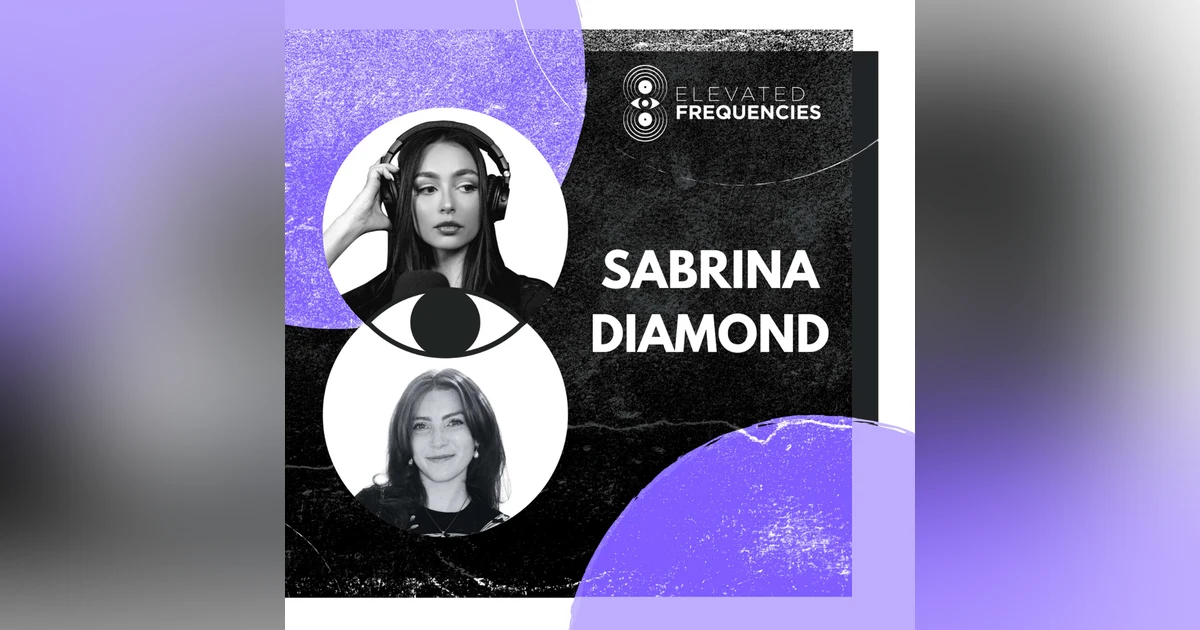
Tired of posting randomly and hoping something sticks? In this game-changing episode, former BET and VH1 social media strategist Sabrina Diamond reveals her proven framework for creating months of engaging content—without the burnout.
Learn how the same strategies that powered major music brands can help independent artists build a loyal following and consistent engagement. Sabrina breaks down her proprietary approach that takes the guesswork out of what to post, when to post it, and how to make it resonate with your audience.
Key Takeaways:
- The exact content pillar framework used by major music brands (and how to adapt it for artists)
- How to create 3 months of content in a single planning session
- Why most artists burn out on social media (and the simple fix you're probably missing)
- The secret to maintaining authenticity while scaling your content
- How to benchmark your success without getting lost in vanity metrics
- Practical strategies to stay consistent even when inspiration runs dry
Ready to level up your music career with more industry insights? Join us at Chicago Music Nexus, where you'll connect with top professionals and learn cutting-edge strategies for success. Reserve your spot now: www.chicagomusicnexus.com
Want personalized guidance on implementing these strategies? Join my artist development program on Patreon for exclusive content and direct access to industry expertise: https://patreon.com/oliviamancuso
Don't miss this opportunity to transform your social media strategy from scattered posts into a powerful career-building tool. Hit play now to learn how to create content that converts followers into superfans.
Connect with Sabrina: https://www.sabrinadiamond.com/
Connect with Olivia: https://www.instagram.com/oliviamancuso__
Video Editor/Audio Engineer: James Fixx
00:00 - Introduction to Sustainable Social Media Strategies
03:01 - Understanding Content Pillars
05:51 - The Importance of Content Pillars
09:04 - Building Content Pillars for Your Brand
11:48 - Iterating and Adapting Content Strategies
15:07 - Practical Steps to Implement Content Pillars
17:59 - Analyzing Performance and Making Adjustments
20:57 - Creating a Content Schedule
24:11 - Final Thoughts and Resources
0:00 It's important to be benchmarking against yourself and just looking for that internal growth and that will help you figure out what's working faster. What's up guys? Happy Thursday. I'm going to start off this intro with a promise right off the bat. If you listen to everything my guest and I have to say in today's conversation, you will walk away with a road map on a sustainable social media content strategy. Especially, especially if you press pause right now and go back and listen to episode 34 on how to build an authentic artist brand 1st and then come back to this one. My guest today is Sabrina Diamond, no stranger to this show as she actually used to work with me in the early days of Elevated Frequencies.
1:11 Sabrina is a social media expert with a focus on creative content strategy. She's worked with brands like BET and VH1 on their music and entertainment content strategy, and specifically campaigns like the 50th anniversary of Hip Hop on BET. So Needless to say, she knows her shit. That's why I hired her. She has helped countless artists narrow in on their message and mission with her proprietary approach to social media creative, and she's also now my very good friend. So get your notebooks ready because I know you're going to love this one. Farina, I'm very excited to have you on because you are no stranger to Elevated Frequencies. You are the reason why Elevated Frequencies has been so successful over the past year.
1:58 So thank you for joining me. I'm so happy to be on the podcast. It's great to have you, so let's talk about who you are for the people who don't know because you've worked with some really badass, reputable brands and entertainment. Yeah. So my background is in content strategy for social media. My approach is very research backed and I work mostly with music and entertainment clients on how to improve their digital presence, mainly on social. I've worked with BET and VH1 on their music initiatives, done things for the VMA's and the 50th anniversary of hip hop, and now I work as a consultant working with big brands and also individual artists and content creators on how to improve their social strategy.
2:43 I love it. And do you know what's crazy 'cause I, I forgot to mention this to you when we first met, but I was telling someone, my good friend who works in social media, that like, oh, I'm working with this woman, Sabrina. She's worked with like VH1 before and she said, what's VH1? And she was, she's like 24 years old. I was like wait a second, you don't know what VH1 is Like what? It's still around. I mean, it definitely had its heyday back in the day, but but VH1 is still doing a lot of stuff. Yeah, dude, VH1 is the OG of course it is the reason why we have like branding for art. Like we have VH1 to thank for having this platform I feel like. Absolutely.
3:25 I mean, it's such a a mainstream music channel and they're still doing really innovative stuff. Yeah, I love it. So today we're talking about content pillars. So this show is all about, you know, how to create a personal brand that resonates with your audience. I've harped on that subject for many episodes. And now what we're talking about today is taking your personal brand and putting it into a road map so that you can actually present it to the world in a way that's sustainable for you and not overwhelming. And so that's what you helped me do with Elevated Frequencies. So we can we can kind of break that down, but before let's just talk about for those who don't know what a content pillar is, explain what it is to the audience. For sure.
4:12 I think it's super critical for every brand to know what their core content pillars are. And what that means is generally a content pillar is your infrastructure, your, your content strategy and their overarching themes or topics that you can revisit time and time again that you can continue to evolve within to make sure that you have a very Evergreen and long lasting brand strategy that translates to your content. So this is not, you know, a format. This isn't saying one of your content pillars is making reels on Instagram because things like that are ephemeral. We're not going to have reels around forever. These are things that represent you as an artist and your brand that you can evolve with social media algorithms and social media platforms and always have it to fall back on.
4:59 So you show up the same way consistently over time. Great point. Just like it's not a real or a carousel, it's also not a trend. Participating in trends is not a content pillar. You can use your brand to participate, but that is not a content pillar itself. Yeah, and that's also too exhausting. I mean, trying to chase trends or even throwing a trending audio on something is not a content strategy. You're gonna burn yourself out or get really overwhelmed or just make pretty shitty quality content because it doesn't totally align with your brand. But you're just trying to squeeze yourself into a box that other people are doing more successfully than you. Absolutely. And I want to point something out here because I think people forget. So when you are an artist or an entrepreneur, you're doing something where you're representing yourself that keyword burnout, trying to chase trends is going to happen so quickly because you are not a product. I think about like Duolingo or Wendy's, OK, the person behind, like the the admin behind that, they have that ability to chase trends and participate.
6:06 They're not representing themselves, they're representing a product. And so this is like the key difference in not seeing yourself as a product. You are a human, a real life human and humans don't trend, right? We are people that have developed taste and interest over a long period of time. So I think it's really important to say what content pillars are not, they're not trends, they're not formats. So let's let's talk about because we're going to get into like how you build out content pillars, which is super valuable. This is free game that, you know, people typically have to pay for. So we've kind of talked about why it's important. What happens if you don't have content pillars?
6:49 Well, the thing that I see happen most often with my clients is, like you said before, you get burnt out, you get overwhelmed. You end up either creating content that doesn't really speak to your brand's values or speak to the mission or the message that you're trying to communicate to your audience. The thing that's actually going to get people to want to follow you for a long time. Or you just stop posting content all together because your ideas dry up and you're like, all right, well, I guess I'll just take a break until I feel more creative again. And especially when you're already working in a creative field, you want to be really particular about where you're spending that creative energy. It's so easy to deplete that on social media, trying to create content that represents you or content that feels, you know, timely and relevant for whatever's happening on social media.
7:36 What the content pillars will do is kind of give you that fall back of when you're not feeling so creative or when you need to put that energy elsewhere, like into your music or into, you know, your show production, whatever it is. You have these things that you can lean back on and say, OK, I know what I'm doing this week because this is a formula that I've that I've created for myself. This is a topic or a theme that I know I can speak to pretty easily. And then when you're feeling more creative, you can innovate within that and try new things. The nice thing about this is that it gives you just that overarching brand message that you can repeat time and time again and, and kind of have that foolproof plan that also makes you more recognizable and and gives people that that content that they want to return to. Yeah, and you brought up a great point. Not every artist always has shows or tracks to promote. And so that's when they start to feel nervous like, Oh my God, I have nothing to talk about on social because I don't have a track out or a gig coming up.
8:34 It's like, yes, you do. You just need to figure out what your brand is and then from there, you know, siphon out what the content pillars are. So that is like a content pillar is your fail safe when you have nothing to promote yourself and and you and I have talked about this show and track promo themselves can be a content pillar but it shouldn't be your main one, right? Yeah, I mean, you just don't want to be too salesy on social media. Like all of us as consumers know that we don't like being sold to all the time. If it feels like an advertisement, we're tuning out because we're just bombarded with it all the time. So salesy promotional posts for your shows, for your new tracks, Totally fine.
9:16 Obviously they they play a part in your marketing and you should be promoting your stuff that you're working so hard on. But it really should be a small portion of your content compared to other types of value that you can bring on your social media. People in the industry talk a lot about entertainment inspiration and educational value. So those are, you know, three things that you can think about with each piece of content. Is this entertaining for someone? Am I educating my audience on on my process or my experience with something, or is this inspirational for for other artists or for my fans? Those are other things you can provide to your audience besides just, hey, here's my new show coming up. Right, and and you can also apply those principles in show or track promo. So like, how can you be entertaining with it? How can you be inspiring with it? Like, you know, if it's Oh my God, I made this track, you know, while I was on a six hour layover because this was the cheapest air airport ticket I could get. Like, like if that's part of your brand, like there's a way to do it where it's not just like listen to my music because no one, nobody, everybody, we talk about this when we talk about brand strategy, everyone wants to be the hero. So when you make yourself the hero, people are immediately tuned out because they're like, well, that's the hero in their story.
10:32 I can't see myself in this. So why am I going to give you a precious second of my attention? I mean, there's so many competing things, you know, that are trying to get your attention on social media. So what your job is, is to get people to see themselves in it. Oh hi doggy, is there a dog? Shaking your head. And, and you know, and I want to stop scrolling. And so you really you have to make it all about them. And I talk about that in my brand strategy episode. I did, I think it was like episode 34 or something like that. But if you can do that, those are two that and a content pillar strategy, you are on your way to building your social media following. So let's get into content pillars when you're working with a client.
11:24 And let's use elevated frequencies as an example because I brought you into the fold pretty early on when I was like spinning my wheels trying to figure out how do I develop a weekly podcast and do all the things I need to do for that and then translate it to social and have what we call called supplementary content. I think that's what we called it. So stuff outside of the podcast. So let's like, walk through how you approached my podcast. We had a really interesting story with this podcast. You already had your brand and completely locked down because that's your expertise. But when I came in, we talked a lot about how to translate that to social media in a way that didn't feel salesy, in a way that really made people feel like they were going to benefit from listening to this podcast, putting them at the forefront. And that talked a lot about target audience, basically saying, who is your consumer?
12:12 Who are you trying to speak to? And so when you're thinking about your content pillars, it's really important to put the person that you want to be your listener at the forefront thinking about what do they care about? What are they afraid of? What what do they want in life? All the different factors that go into work with my clients is, you know, lifestyle habits or other topics that are complementary to that main topic that you want to talk about. So, you know, with your audience, we realized pretty early on that at first we were thinking about house and techno music listeners. And then as the podcast evolved, as you got more feedback from consumers, we realized we were actually speaking to music professionals, DJs, people who work on the industry side of things.
12:55 And that totally shifted our content pillars because we realized that they care about completely different things than just a casual consumer. Everything. I really want to highlight how important that moment was. You and I had multiple meetings about that. You know, first of all, it didn't feel it. I knew my brand and I knew what kind of consumer I was of this music as I've gotten older, but I've also I am evolving as a, you know, in my hobbies and how much time I want to dedicated to being in the scene and how I can put boundaries up around it.
13:35 And I realized that, like, I was becoming less and less of a consumer, like out in the world and more just at home because life's responsibilities were becoming too, you know, aggressive. And so I was like, wow, this one, this isn't really resonating with me because I'm not going to as many festivals. And here I am trying to reach these people and speak on their level, But this doesn't feel like this version of me anymore. And two, all of the feedback I'm getting, and you were managing my Instagram at the time, so you're in my DMS is from DJs, and I'm not a DJ. But that doesn't mean I can't relate to them because we're both creative entrepreneurs and we both face the same challenge. So I was like, oh, my God, like, I need to go with my gut and what the people are responding to.
14:18 And we'll talk about that and how to build content pillars. One of the things is figure out what people already like that are what they're responding to. And I was like, Sabrina, yeah, like, let's, let's make this shift because this just feels so much better. So when when we decided that that was going to be the move, like, I know you probably remember better than me. What did we do? Yeah. I mean, we shifted and luckily you kind of had experience on both sides of it where our original strategy was really talking about festivals, talking about the experience of going to shows. You know, we talked a lot about the experience of going to shows as you do get older in the scene and it's not all about partying anymore. That was our original content strategy and we were doing supplementary content around that. Once we made this shift of, you know, this is not our consumer anymore, we actually want to speak to music professionals. We started thinking about, OK, well, what do they care about? Or even creative entrepreneurs in general. You know, me as a creative entrepreneur, I've taken so many things away from this podcast.
15:22 So that shifted more to to the business side of things. Talking about networking, talking about promoting your stuff, talking about building community, you know, content pillars, things that a casual person would never care about, but someone who is trying to build this business for themselves. This is essential for them making that shift. You know, one help solidify you as really a voice for this community. You know, someone who could take their their expertise in marketing and branding and funnel it through the music industry. You funnel it through this really specific genre of music as well. And not only did that help you stand out more, it really differentiated you from other types of content on social media, but it also helped you create content a lot more easily. We had much clearer ideas when it came to supplementary content that wasn't just new podcast out this week because we knew exactly who we were talking to.
16:18 It was a light bulb, and that is when you got me over. I don't even remember what it was now, but a certain follower account mark that I was striving for forever. That's when we crossed that threshold. It all clicked. And So what we're talking about here is I think people have this fear of permanence, like, Oh my God, I create a content pillar and then that has to be it. And the word that you use and I love using too, is iteration. You have to be prepared to iterate and you have to be prepared to move and pivot if something isn't working. And there's, there's a balance between, Oh my God, I've tried this for a month and none of my content got, you know, any, any place. So I'm switching content pillars. There's a balance between that and then holding on to something for too long if it's not working because sometimes, you know, the in between is OK, Maybe this type of content isn't hitting, but maybe you just need to adjust the way you present it. But maybe that's still your content pillar, you know, and look, for me being that older, you know, house and techno fan is still relevant.
17:24 And I think it comes through in the style in which I just talk about things in general. But that's not my content pillar anymore. My content pillar is the business stuff. So let me ask you this, maybe this kind of a curveball, but what's the indicator that maybe I should like iterate and change my strategy a little bit? What are those key points? Yeah, there's so many factors that can influence how your social media posts are performing. A lot of it is out of our control, so I think it's really important for people to keep trying with content multiple times because you can't make a decision based off of 1 post. That's too reactionary.
18:06 You know, the algorithm's changing, the social media landscape is changing. You know, politics is changing the way the clutter on social media, like, you know, things. We're not working in a silo here. There's a lot of things that can impact how your post reaches people. So usually I would say you need to test the same theory, the same hypothesis if we're getting scientific with it multiple times to see how your audience is reacting. Now, if you put a piece of content out in a certain pillar that you know you're you're trying many, many times over many months because seasonality also makes a difference as well and you're consistently seeing it perform worse than your averages.
18:49 Look at the data for this. The data is going to be your best friend. I like to look at you know, how is my channel performing overall? Am I getting, you know, 10,000 likes on an Instagram post? Now this new content pillar that I'm trying to introduce is only getting 5000 consistently. Maybe it's not working for me. You only really want to benchmark against yourself, trying to benchmark against other people who you see maybe doing the same type of content but have a different audience or a different number of followers or, you know, different engagement rate. There's a lot of stuff you can't tell from the front and they might be boosting every post, we don't know. So it's important to be benchmarking against yourself and just looking for that internal growth and that will help you figure out what's working faster. Wow, that's the sound bite right there. Benchmark against yourself that everyone tends to forget that because you are looking, you know, being a DJ, being, you know, a influencer content creator is such a public facing job.
19:48 And so you do look at, you know, I'm sure I'm I'm stepping in the mind of a DJ. They're looking at, you know, you're a base house artist, you're looking at other base house artists. Well, why are they getting this? And I'm not, you can't do that because like you said, they could be boosting. Everyone has a different journey. Maybe where they live just has a bigger scene. And so they've gotten more recognition and that has nothing to do. It's not a skills issue. It's a it's a geographic issue. So there's so many factors. And I mean, this is like a symbol for, you know, the bigger theory in life that comparison is the thief of joy in all aspects. And so that goes for content pillar strategy as well. So, OK, so if someone wants to start figuring out what their content pillars are and they've just been throwing shit at the wall, see, you know, trying to figure out what sticks, they have no real strategy. What would you tell them is step one? Step one is to make sure you understand your brand. And like Olivia mentioned, there's so many great episodes on that from this podcast.
20:54 Making sure you know what your message is, what you stand for, and who you want to speak to is going to be a great first step for understanding what kind of content you want to put out. Because you're thinking about what do these people like to watch or listen to or or read So you can think about what they care about and how that aligns with your brand and what you like to talk about. Find that overlap, and then that would be the most authentic content strategy for you. Usually, I recommend coming up with three or four content pillars. Again, these are overarching themes, so there's so much that can happen within these themes to expand and have diversity in your content.
21:35 Sorry to interrupt you, Sabrina. I want just because not everybody is going to go back and listen to the episode, but they should. But the high level overview of figuring out your brand strategy, like super high level figuring out your core values, figuring out your audience psychographics, like you said, with their lifestyle, their goals, their preference, their frustrations, their challenges, all the things that make them human in and out of music. And then figuring out how you can make them the center of the story instead of yourself. That is like like the one 2-3 punch. But yes, go watch that episode. That that is the gist of it. Obviously there's a lot more to it, but that that can help you get started. So then we're saying three to four content pillars.
22:17 Would you recommend? Because this is something I like to do, starting out with like a mega list and then kind of whittling it down to what resonates the most. Yeah, that's a great idea. I mean, you can start with writing down all the things that you like to talk about that you have knowledge or experience on that you'd be willing to share. If you feel like you are running dry and you have nothing that you really want to talk about or, or you're just not sure, looking at other people's content is a good is a good practice in this situation where you know, you don't want to necessarily copy what someone else is doing, but you can look for inspiration and, and, and see, oh, this person is making content about their production process or this persons making content about working with a record label And that experience, you know, you can get inspiration from other people to understand, Oh, these are all the topics that are out there that I can bring my own personal point of view to.
23:11 Yeah, and you know, it's a great, I just taught this in my Patreon group session that I do monthly. If you like someone's piece of content and you want to figure out how to adapt it to your own style, start a ChatGPT. Or better yet, I just got this AI tool called Poppy AI. You and I got to talk about it. It's insane. It's the cool. It's the coolest thing I've ever used and they're not sponsoring me yet, but they're going to like I'm going to talk about them all the time. But use ChatGPT and you know, input your brand or you know, what do you think your brand is? Then share a piece of content now and Poppy AI, you can do this ChatGPT you can't. You can actually upload the video and have it analyze, but in ChatGPT, you can explain a piece of content or even share a screenshot and say, This is why I like this is what's going on.
23:59 This is why I like this. How can I adapt this to fit my brand with the brand guidelines that you had already dumped into that chat? So if you cannot, it's always best to work with someone else to help you figure out this stuff. Because a robot cannot help you iterate the way a human can. A robot does not understand the nuance of human design. But if you don't have the funds yet, or you're just starting out, I highly highly recommend using AI to help you iterate. But that's person's always best. That's why I feel like my job is safe. Yeah, I know because I've used AII, used AI, and I still reached out to you. Yeah, I mean I use all the time in my own work. Not a replacement.
24:47 Yeah, and it's a great tool. And what's amazing about it, at least my experience with working with AI for these kinds of creative brainstorms, it can give you the start of an idea. It's not going to be an amazing idea, but you can take it and make it amazing by putting your own spin on it. So I use it all the time for that where I'm like, give me baseline, you know, 101 on building content pillars for this client, right? And then I look at it, it's it's really surface level, but I can take those things say, OK, that's an interesting direction. Like now let me think about that and make it into something really bespoke for this brand. Absolutely. So OK, so we have we're at the phase where you're trying to find out your three to four content pillar. So looking at content that you like and resonates, figuring out how it how it can adapt another one, because pretty much all artists who listen to this show like have tried content at, you know, they're not like starting from scratch, looking at what people already resonate with that you've posted and figuring out how you can expand on that is also a good way to create a. Absolutely.
25:48 Yeah, absolutely. I mean, anytime I work with a client, we usually start with an internal audit where we look at their analytics, which are right in your social media platforms and you look at the top performing content. You can also look at the bottom performing content and figure out what to weed out really quickly. But looking at your top performing content and saying, okay, like this topic that I randomly touched on on a couple of videos tends to do really well for me. How can I build on that? And the idea with the content pillars is you want to see those larger themes across multiple pieces of your content. So if you're looking at a certain topic, you want to make sure it's broad enough that you can continue to talk about it for years to come. Hopefully the content pillar is successful and you can stick with it for many, many years without having to redo this work. You're just evolving within it.
26:37 Right, right, great point. So, OK, so let's say that people figure out, you know, the person listening has figured out, OK, they have three content pillars, like let's say 1 of it. You know, one of them is, you know, something that has to do with they're 9:00 to 5:00. One is showing their track production process in a humorous way. Not just because because we are getting away from tutorials like in general, they're starting. People are starting to realize that they're kind of boring. But shout out biscuits. He does his in a really funny way. So like there's a fun. So just using that as an example. And then the third content pillar is I, I don't know, making their dog dance or something. OK, so let's say people have their three content pillars. How do they actually start putting those into practice and baking out a content schedule and calendar? I think the best way to handle social media is to plan it out. People tend to get really overwhelmed when it's day of and they don't know what to post.
27:40 Even if they have this infrastructure in place of the content pillars, if you're scrambling to get a post together, it's just not going to be as strong as it could be. So usually at the start of the month, and we do this together, you and I, Olivia, at the start of the month, we'll sit down and we'll come up with the content ideas for the month. Now, these have room to change. If something else comes up that we want to talk about, we can make a shift. But having that laid out for the next month, make sure that by default we have a solid content plan for the next couple weeks. So usually each content pillar, I, I try to keep an even split. Sometimes on the promotional sales east side, I try to tone that down a little bit in the split just so it doesn't feel too promotional on your page. But when it comes to all that other content, you know, break it up pretty much evenly and say, OK, so here are the, the five posts I'm going to put out this month with my dog dancing. Here are the five posts I'm going to put out this month about my production process.
28:37 And you really bake those out and make sure that you have those ideas really clear. That way when you, when it comes to producing that content, you can do it all in one fell swoop. You can be really efficient about it and really make sure that you're using your time in a way that's valuable. So you can put more time towards the the work that you actually love to do, which is the music or the the business side of things. For sure, and I think so I've tried a few different ways of like batch creating content. The stuff that you and I do with corporate clients that's just written, it's so much easier for me to get those done pretty much in like 1 like 2 hour intensive, you know for the month. But I've learned from just the way I work with my Instagram.
29:19 I used to try to shoot everything in like a day for the month and if because almost every art artist is gonna have to be on camera talking to camera or acting like out some funny video in some way, it can be so draining. And so I realized that trying to do everything in one day was at like the quality would start declining the more like the more videos I would do. And so now I do it weekly, so I have all my content ideas baked out already for the month, but then I shoot a batch for the next week, the week before. So that's typically only like 3 videos or four videos sometimes if I'm going heavy at it or like it's like 3 videos in a carousel that I make. And so that has just been more sustainable for me in terms of like how much brain power I have at any given time. And so I definitely encourage artists to kind of do the same and like figure out, but definitely not doing it the day of, like you said, because that's just maybe the bet. Like I think of my brother when I think of people who can do that, like he, but his brain is just like if you're a comedian and your brain's always firing, maybe you have that talent, but it's like, then you should be using that talent towards, you know, making your music like this should not be your primary focus.
30:37 So it's a pretty good argument for why it's important to schedule ahead. Also, when it comes to actually producing the content, I think it's important to mention just making a comfortable space for yourself where it's easy to execute, which is not easy for everybody. Like I can tell you, I'm dreading this brand deal. I have to shoot because it's like a IPL hair removal thing and I have to do it in my only bathroom that gets sunlight, which it backs up to a fucking dog park where there's dogs barking all the time. So for shooting, it is going to be a pain in the ass and I know that. So I have to get myself because it's going to be loud. I have to get myself in the head space where it's like, OK, I can do this. So like make it make the barriers to entry as low as possible, get good, invest in a good light, a microphone if if you can afford it, like just make it easy for yourself because that's also where the burnout comes in. Totally.
31:35 I mean, there's so many parts to the social media production process. There's that whole iteration phase, The production phase is a headache within itself. And then even post production, getting down and editing all those clips, finding all of them in your camera roll and string them together and cap cut. That alone gets super annoying sometimes for sure. So that's where having this all planned out as much as possible will reduce the headache. You know it it it'll help you feel more in control of the situation and and hopefully make it easier for you to produce content on a regular basis. And I totally agree. It doesn't have to be monthly. Doing it at whatever cadence makes sense for you, trying to do it ahead of time. It's usually my recommendation because it's so easy for the days to catch up to you and then you're like oh shit I have nothing to post. Yep, Yep, 100%.
32:23 Anything else? This has been like, I feel like this is the secret sauce that people have kind of been waiting for because yeah, like I've talked about branding a million times. It's like, OK, now what the fuck do I do with it? So is there anything else you want to mention? I think, you know, a, a really important part of content pillars is just understanding your audience. So really paying attention to who those people are. And a lot of times for someone in a creative field that is making creative content, you're also probably really similar to your consumers. So starting with yourself and figuring out what you care about, what you like to watch, maybe making some slight adjustments if you do notice that your audience is is different from you in some way. But that usually helps to take a lot of the guesswork out of building content pillars.
33:11 It's a really great tool that I've seen make such a huge difference for my clients in terms of their confidence on social media. Because truthfully, social media is always changing. There's so many things that are out of our control. So you need to find the confidence wherever you can to make sure that you're staying afloat. I love that. Yeah, it's a great point. Be active on social. Look at what people are responding to. Look at what other people are doing. Like you can't just be a passive. You can't just post and then expect magic to happen. Like you have to be an active participant in this process. So I I think it's safe to mention you are taking on some clients and I've been so lucky to work with you now on multiple accounts and I don't want to share you, but don't gatekeep is one of my core values. So tell people where they can find you if they're interested in working with you.
34:05 Sure, Ioffer free consultations on my website, sabrinadiamond.com so you can book an hour with me. We can talk about where you're currently at on your social media, what needs work. I'll, I'll be honest with you, I take a lot of pride in helping my clients succeed. So I'm never going to sugarcoat things because I want to make sure that you're getting the information that you need to do better and feel better about what you're putting out online. So booking a consultation on my website, I also do respond very, very quickly on my LinkedIn. So that's my primary platform for communicating with clients, but also you can just directly e-mail me. All that information is on my website as well. Amazing.
34:48 Thank you so much for doing this, Sabrina. It's been such a pleasure. Amazing. Yeah. I'm so happy that we got to have this conversation. Thanks for having me on. Wow, talk about spitting free game. Sabrina is a wealth of knowledge and just so lovely to work with. In fact, she's working with me on other non music corporate accounts right now because she's just that awesome. So if you're looking for more help with your content strategy, I will link her information in the show notes. Definitely hit her up. We're also continuing the conversation on my Patreon. Tiers start as low as $5.00 a month. You know the drill. I would love to have you as part of my community.
35:29 That of course is also LinkedIn, the show notes. And lastly guys, I have a huge week of interviews coming up with everyone from the one and only Nadia Ali. Holy shit. To the man, the myth, the legend behind the Ark Music Festival Twitter. It is going to be an exciting few weeks with all of this great content plus Chicago Music Nexus coming up which is 80% sold out. So if I take Thanksgiving off, please don't be mad at me. I love you guys. Stay elevated. I'll talk to you next week.